
Nigeria News
Christian genocide: We’re prepared to invade Nigeria – US Defense Secretary Hegseth alerts Trump

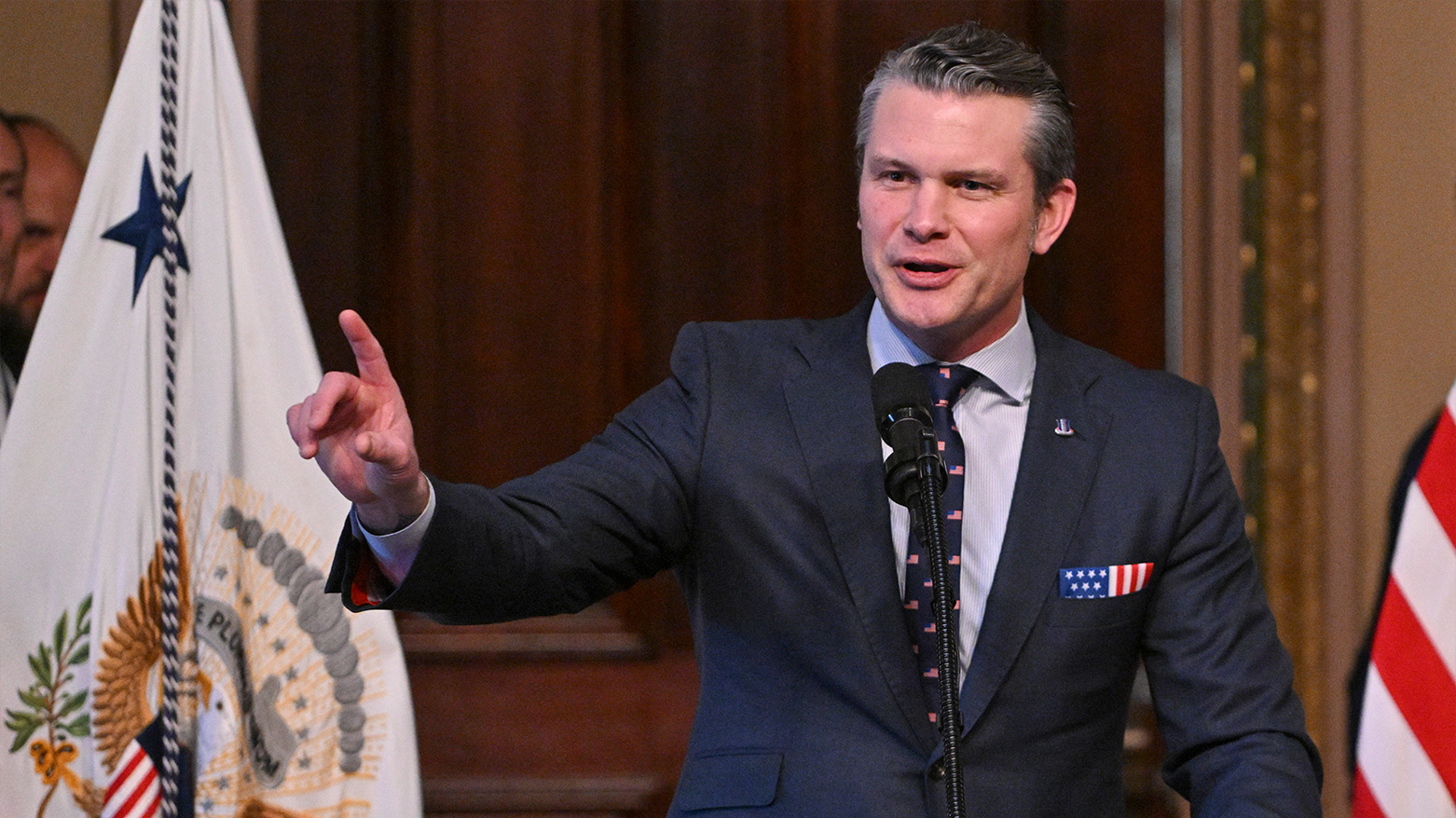
The United States has escalated warnings to Nigeria following reports of attacks on Christians, with President Donald J. Trump, U.S. Congressman Riley Moore, and Defense Secretary Pete Hegseth all weighing in over the weekend.
On Friday, President Trump designated Nigeria as a “Country of Particular Concern” under the U.S. International Religious Freedom Act, citing ongoing violence against Christians and the government’s alleged failure to protect religious minorities. In a post on Truth Social, Trump threatened that the U.S. could “go in guns-a-blazing” to wipe out Islamic terrorists committing the atrocities. He warned that the U.S. would stop all aid to Nigeria if the killings continue.
“If we attack, it will be fast, vicious, and sweet, just like the terrorist thugs attack our cherished Christians! WARNING: THE NIGERIAN GOVERNMENT BETTER MOVE FAST!” Trump wrote.
Following the president’s statement, Riley Moore, U.S. representative for West Virginia’s 2nd Congressional District, addressed Nigerian President Bola Ahmed Tinubu in a post on X (formerly Twitter), urging him not to “test” Trump’s resolve.
“The days of the U.S. looking the other way are over — it will never happen on @POTUS’ watch. I urge you to cooperate with us in preventing this atrocity that worsens every day. We want your people to live in peace — all of them, especially Christians,” Moore wrote.
On Saturday, Defense Secretary Pete Hegseth confirmed that the Department of War is preparing for action in Nigeria.
“Yes sir. The killing of innocent Christians in Nigeria — and anywhere — must end immediately. The Department of War is preparing for action. Either the Nigerian Government protects Christians, or we will kill the Islamic terrorists who are committing these horrible atrocities,” he said in a post on X.
The combined statements from Trump, Moore, and Hegseth represent a significant escalation in U.S. rhetoric regarding Nigeria, raising the stakes for diplomatic and security engagement between the two nations. Analysts warn that any foreign military intervention could worsen the humanitarian situation, particularly in Nigeria’s Middle Belt states of Benue, Plateau, Taraba, and parts of Kaduna, which have long suffered communal and religious violence.
The Nigerian government has rejected claims of religious persecution, insisting that the violence stems from complex security, ethnic, and land-related conflicts, rather than systematic targeting of any faith. Officials in Abuja have yet to respond to the heightened U.S. warnings but are reportedly reviewing diplomatic options.
Nigerians have reacted with a mix of concern and caution on social media. Some have welcomed U.S. attention to the plight of Christians, while others warn that aggressive foreign intervention could inflame tensions and lead to wider instability.









20-year-old man stabbed to death after argument with teenager in Cross River

EPL transfers: Liverpool, Chelsea, Man City lead summer spending as deadline day arrives

EPL matchweek 2: Man Utd bounce back as Arsenal, Chelsea maintain perfect starts

Court cancels APC Zamfara North senatorial primary, gives party 14 days for fresh election

Mass exodus hits Benue South APC as ex-LG boss, Alia loyalists dump party for NDC over Onjeh

EFCC declares ex-Gov Timipre Sylva wanted again over alleged $14.86m fraud

Bandits kill APC ward leader, resident in Kano

10 abducted NYSC members rescued from Kogi forest

Breaking: Lionel Messi retires from international football at 39

BREAKING: NNPCL raises petrol price by N75 to N1,345 per litre

‘The Tiv are not our problem, we are’ — David Onoja speaks on Idoma marginalisation, Alia, 2027 race
