
Benue news
Benue Governor Alia under fire over ‘no genocide’ claim, risks losing 2027 reelection

For years, Benue State has stood at the heart of Nigeria’s violent conflict between farming communities and armed marauders, a struggle that has left thousands dead and displaced, IDOMA VOICE observed.
The predominantly agrarian population has cried out repeatedly, claiming their lands are under siege, their faith targeted, and their identity threatened. Many of those voices have sought validation from their leaders, especially one who once stood behind a church altar, preaching compassion, truth, and courage.
When Rev. Fr. (now Governor) Hyacinth Alia took his oath of office in 2023, residents believed they had found a champion who understood both their pain and their prayers. Months later, he echoed what many in Benue already feared, that the killings were targeted and religiously driven. It became part of a larger global conversation about whether Christians in Nigeria were facing what former U.S. President Donald Trump had called a “Christian genocide.”
But today, the same governor has walked back those claims and that reversal is sending tremors through Benue’s political and humanitarian landscape.
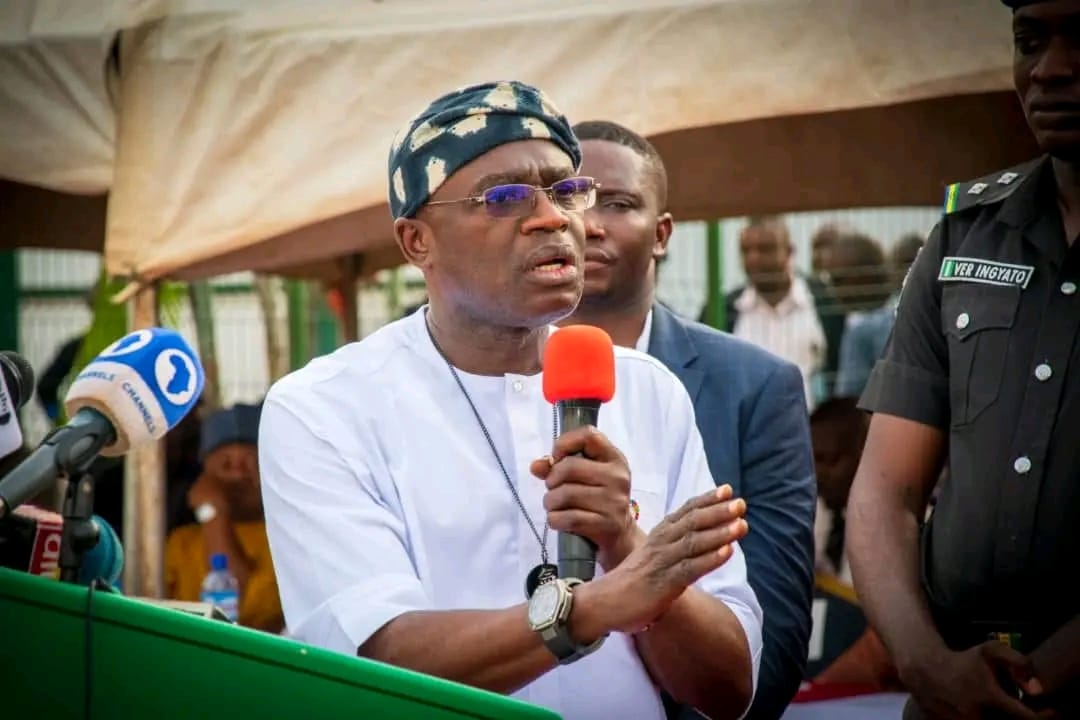
Speaking at a consultative forum on the protection of the rights of IDPs and forcibly displaced persons, organised by the National Human Rights Commission (NHRC) in Abuja, Governor Alia firmly rejected claims of genocide in his state.
“In my state of Benue, we don’t have any religious, any ethnic, any racial, any national or state genocide. We don’t have that.”
He admitted insecurity exists but insisted it does not meet the United Nations’ threshold for genocide.
“Someone would need to check the UN definition for this,” he added.
The governor’s comments have sparked anger among sections of Benue residents who believe their trauma is being downplayed.
Many accuse him of political convenience, saying his new stance contradicts what he publicly stated in earlier interviews, particularly in April, when he blamed persistent attacks on Christians in rural communities.
“There Is No Genocide in Benue” — Alia Declares
Speaking at a consultative forum on the protection of the rights of IDPs and forcibly displaced persons, organised by the National Human Rights Commission (NHRC) in Abuja, Governor Alia firmly rejected claims of genocide in his state.
“In my state of Benue, we don’t have any religious, any ethnic, any racial, any national or state genocide. We don’t have that.”
He admitted insecurity exists but insisted it does not meet the United Nations’ threshold for genocide.
“Someone would need to check the UN definition for this,” he added.
The governor’s comments have sparked anger among sections of Benue residents who believe their trauma is being downplayed. Many accuse him of political convenience — saying his new stance contradicts what he publicly stated in earlier interviews, particularly in April, when he blamed persistent attacks on Christians in rural communities.
To them, this shift feels like a betrayal.
Nigeria’s insecurity remains a point of concern internationally. The United States has repeatedly warned against what it perceives as systematic targeting of Christians in Nigeria — a claim disputed by the Nigerian government.
Governor Alia went further to challenge fears of religious domination:
“We do not have any jihad in Nigeria.” “I’m speaking to you as a reverend father in the church. I’m speaking to you as a governor of a state.”
His assurance clashes with statements and actions of extremist groups like Boko Haram and ISWAP, whose violent campaigns continue to force communities out of their homes and fuel narratives of religious targeting.
Despite the political debate, the violence on the ground is undeniable. ACLED data shows that in Benue alone over the past two years:
More than 800 people have been killed.
Close to 400 have been kidnapped
One of the darkest incidents occurred on 14 June, when coordinated attacks in Yelewata, Guma LGA left over 100 residents dead.
These numbers translate into broken families, emptied villages, and growing IDP camps now scattered across the state.
Governor Alia revealed he has been engaging directly with the U.S. embassy to correct what he sees as mischaracterisation:
“I met with the American ambassador to explain that… the UN parameters for genocide do not apply to Benue.”
Supporters say this is a responsible move — preventing international labels that could damage Nigeria’s diplomatic standing.
Opponents argue he’s diminishing the suffering of those he governs.
The outcry reverberating across Benue isn’t just about semantics — it’s about trust. When leaders shift positions on life-and-death issues, citizens wonder where they truly stand.
As one displaced resident of Guma reportedly put it:
“If this is not genocide, what then do you call what we are going through?”
Whether driven by political alignment, diplomatic caution, or changing intelligence, Governor Alia’s retraction has deepened existing wounds. And as insecurity continues unabated, many in Benue fear that their cries for justice may once again be drowned out — this time by their own governor.




BREAKING: Police arraign alleged fake agency DG, Adeniyi Adeyemi

‘I am here, more than ever’ — Guardiola sends message to Man City fans

Nigerians must be free to criticise govt policies if they hurt them — Atiku

Nigeria at 66: FG declares october 1 public holiday

Drama as staff, students rally over police attempt to arrest FUOYE VC

Two pilots injured after reported fight on Dubai-Tel Aviv Flight

Zamfara security: Army activates three new infantry battalions

Peter Obi lied recklessly over sports investment — Onanuga

As long as one Nigerian lives in IDP Camp, we are all displaced — Obi

50-year-old man sentenced to 10 years in prison for raping 11-year-old in Jigawa

OLOCHE ENTERS THE FAST LANE WITH PRO-TAXI: How An Idoma Son Conquered Real Estate — Now, He’s Moving People
