
idoma news
As insecurity crisis deepens: Travellers avoid Otukpo–Oweto road

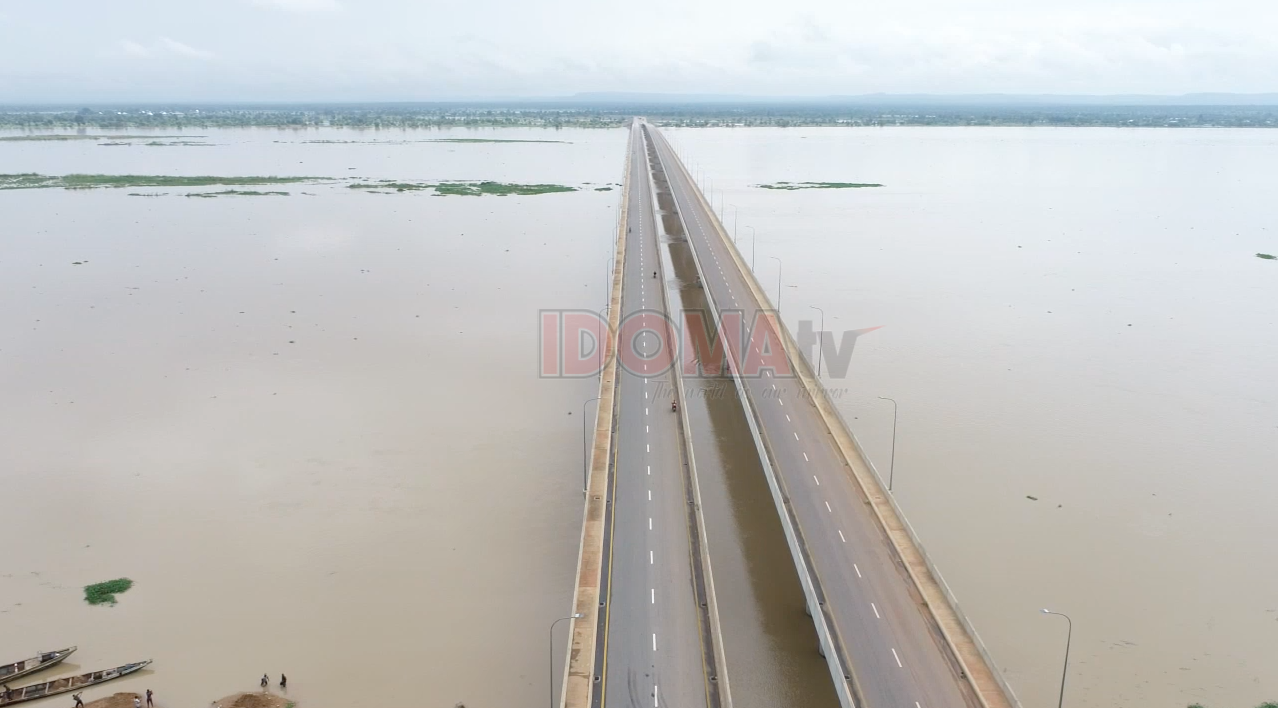
As the Christmas season approaches, fear, not festivity, is guiding travel decisions for thousands of commuters heading toward Benue South and neighbouring states.
What used to be a straightforward trip has now become a journey of uncertainty, forcing many travellers to abandon the once-busy routes linking Oweto, Agatu, Adoka and the Otukpo axis.
Instead, they now detour through the far longer, more expensive Makurdi–Lafia road or the Lokoja–Abaji route, choosing distance over danger in a desperate bid to stay alive.
IDOMA VOICE observed that the Nasarawa-Oweto–Otukpo corridor, once celebrated as the fastest link between the North-Central and the South-East, has gradually transformed into one of the most dreaded routes in recent months.
The surge in kidnappings, killings, and armed ambushes, many of them unreported, has pushed commuters to a breaking point.
Transporters who once preferred the shorter Oweto bridge crossing now lament that passengers refuse to board vehicles taking that direction.
“Nobody wants to die because of a short road,” a commercial driver at Otukpo garage said.
“People would rather pay more and go through Makurdi or even Abuja than enter Oweto again.”
The most recent scare occurred earlier this week when a team of security operatives reportedly foiled a midnight bandits’ ambush along the Adoka–Otukpo stretch. According to local sources, the attackers had positioned themselves near a narrow bend, targeting late-night travellers returning from Abuja.
The successful intervention prevented what could have been another mass abduction, but residents say it has further heightened anxiety.
In November, suspected kidnappers hijacked a fully loaded commercial vehicle, killing the driver and abducting all passengers on board.
In May, suspected armed herdsmen on a Sunday night ambushed a commercial vehicle along the Adoka-Otukpo road in Otukpo Local Government Area of Benue State, killing two commuters and abducting four others.
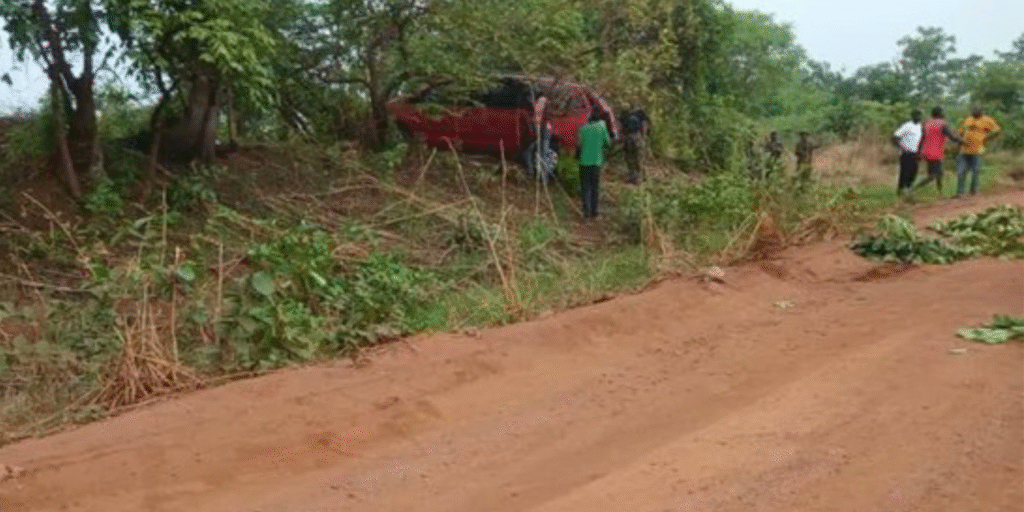
“If security men had not arrived on time, we would be mourning again. These attacks keep happening, yet the road remains exposed,” a community leader told IDOMA VOICE.
Many travellers have expressed worry that the recent announcement of the removal of military and police checkpoints may worsen the already fragile security situation. Although the directive was issued to curb extortion and improve the free flow of traffic, commuters fear it could leave the corridor even more exposed during the busy Yuletide season.
Many passengers believe that, despite their shortcomings, the former checkpoints served as a deterrent to armed groups who now operate with increasing boldness.
“This is the worst time to remove checkpoints,” a traveller lamented. “December is when bandits take advantage of people returning home. Without those checkpoints, anything can happen.”
Drivers say the presence of uniformed personnel used to deter armed gangs who operate freely at dusk and dawn.
The road itself has become another hazard. Constructed less than three years ago, several sections, especially between Agatu and Otukpo, have collapsed or deteriorated, creating potholes and bad portions that slow down vehicles. Many residents believe these damaged areas aid attackers, as vehicles forced to slow down provide easy targets for ambushes. 
With fear escalating and festive travel increasing, commuters are making difficult choices.
As a result, a growing number of road users are abandoning the once-faster Oweto Bridge axis, opting instead for longer, costlier alternatives.
For many travellers, the Makurdi–Lafia road has become the preferred detour, even though it adds an extra 2–3 hours to the journey. Transport fares on this stretch have risen sharply due to increased fuel consumption, tollgates, and the seasonal passenger surge.
Despite the inconvenience, commuters say the route offers a stronger sense of safety because of its more consistent security presence, heavier traffic flow, and fewer reports of coordinated attacks. Drivers note that while the checkpoints here also suffered reductions, the remaining security units are more active and visible.
Others are turning to the Lokoja–Abaji-Ajaokuta-Itobe route, which significantly increases fuel usage and exposes travellers to frequent gridlocks, especially around Abaji and the approach to Gwagwalada.
Still, many drivers argue that the corridor is less unpredictable than the Oweto–Adoka route, which has recently recorded more distress calls. Even with the higher risk of traffic congestion, the Lokoja–Abaji stretch is still viewed as a “calculated inconvenience” rather than a security gamble. 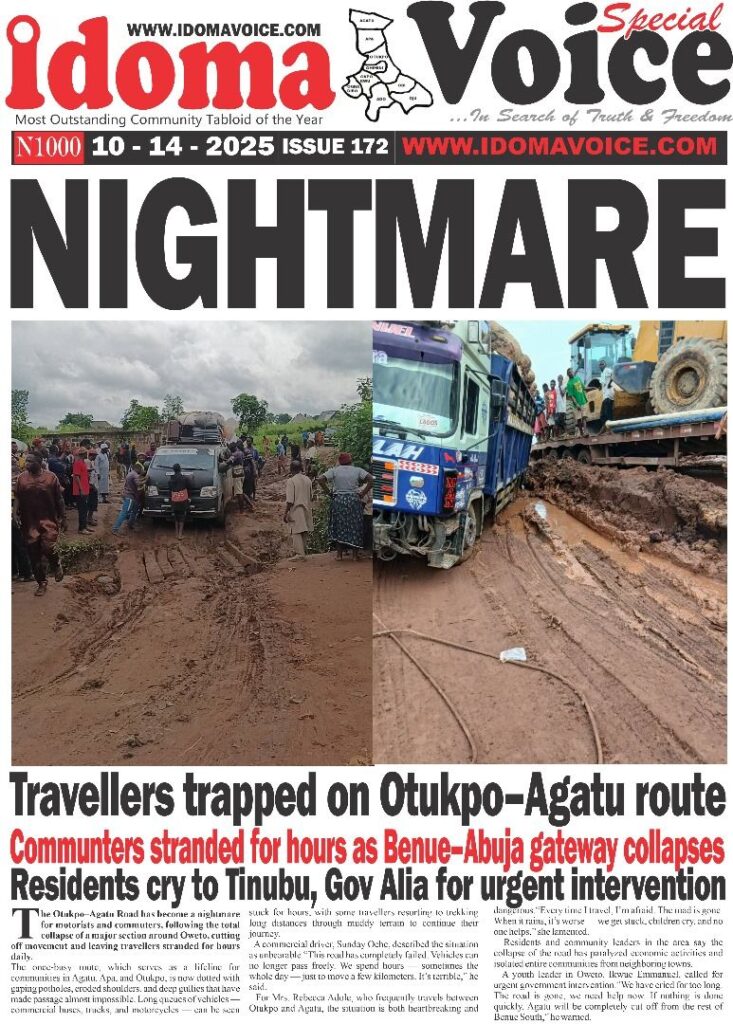
In essence, commuters are making a trade-off between time and safety, and for now, safety is winning. Transport fares have risen by as much as 40%, with passengers paying the price for security.
Communities along the affected routes; Agatu, Oweto, Adoka, and others, are already feeling the economic consequences. Markets that depended on travellers now record low patronage. Food sellers, roadside traders, and local transport unions say December, traditionally their biggest business month, may become their worst in years.
Residents and commuters are already feeling the strain. A trader in Adoka expressed her concern: “We’ve always relied on Oweto to reach Benue South quickly. Now, we hear of attacks almost every week. I’d rather take a longer route and arrive safely than risk that road,” she said.
A bus driver on the Makurdi–Lafia detour echoed similar sentiments: “It takes an extra two to three hours, and passengers complain about higher fares, but at least we’re not worried about ambushes like before,” he explained.
Another commuter, opting for the Lokoja–Abaji route, told IDOMA VOICE: “Fuel costs more and sometimes we get stuck in traffic for hours, but I still feel safer than going through Oweto.
At the Sharp Corner Park in Nasarawa, one passenger summed up the mood succinctly: “I don’t mind spending more this Christmas. What matters is reaching home alive.”
As the festive season approaches, the stark choice between distance and danger underscores the urgent need for authorities to restore security and confidence on the region’s highways.





TRI TOWER: Another Idoma son, Lawrence Emmanuel of PromiseLand Estate unveils 22-storey luxury project in Abuja

NAF bombards kidnappers’ hideouts in Ogbadigbo

Why I don’t publicise my legacy projects, achievements — Enone Servant Agbese

REAL ESTATE TITANS: Meet Idoma natives making waves in property business

‘I sold my car to promote leadership values’ — Author Stephen Elaigwu

13-year-old boy allegedly sets family house ablaze, kills four sisters in Yobe

$100,000 too small — Lagos Life creator values viral game at $1bn

Man sentenced to death over facebook comment Saudi Arabia

Eight Nigerian soldiers killed in ISWAP attack on Borno military base

BREAKING: NAF helicopter makes emergency landing in Benue two days after Ondo crash

Deji Adeyanju celebrates Abulfatai Seriki at 53, hails contributions to Nigeria
