
Nigeria News
Why Buhari refused to endorse APC successor — Ex-DSS boss

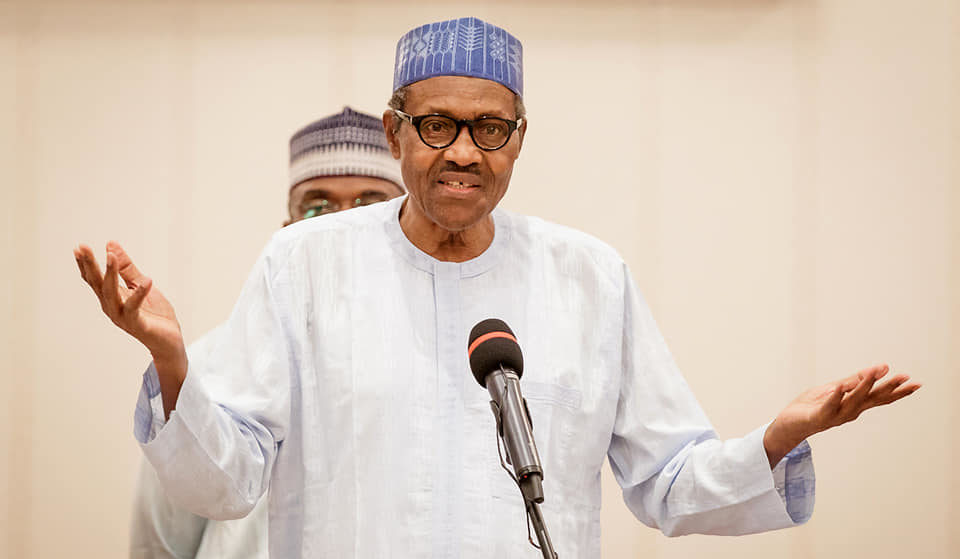
Explosive revelations have surfaced from a new 600-page biography of late President Muhammadu Buhari, shedding fresh light on why he declined to publicly endorse a successor within the All Progressives Congress, APC.
The book, From Soldier to Statesman: The Legacy of Muhammadu Buhari, authored by Dr. Charles Omole, Director-General of the Institute for Police and Security Policy Research, IPSPR, indicates that Buhari’s much-criticised silence was not a sign of political detachment, but a deliberate security strategy.
The biography was unveiled in Abuja on Tuesday at an event attended by President Bola Tinubu, Gambian President Adama Barrow and other dignitaries.
Speaking at the presentation, former Director-General of the Department of State Services, DSS, Yusuf Bichi, provided insight into the tense political climate preceding the 2022 APC presidential primary.
Bichi disclosed that Buhari had privately expressed fears that openly backing a preferred successor could place that individual in serious danger, given what he described as the volatility and intense rivalries within the ruling party at the time.
According to him, the former President deliberately chose silence as a protective measure, despite being criticised for appearing aloof.
“In those months, knives were out; politically and, as security professionals know too well, sometimes literally,” Bichi said.
He added, “To name an anointed heir would be to paint a target on a human being and to foreclose a process that, for all its imperfections, was designed to distribute risk.”
Bichi further noted that Buhari’s decision was aimed at preserving internal balance within the APC, warning that party factions could “as easily burn down the house as surrender the nomination they coveted.”
President Bola Tinubu eventually emerged winner of the APC primary and went on to clinch the presidential election.
The book also offers fresh insight into Buhari’s leadership philosophy, particularly his emphasis on institutional stability, even when it came at personal or political cost.
Bichi explained why Buhari refused to reverse the decision of then Acting President, Prof. Yemi Osinbajo, to remove Lawal Daura as DSS Director-General.
Despite pressure from some quarters for a reversal after Buhari returned to office, he declined to interfere.
“He had handed executive authority to his vice president while away; to countermand Osinbajo would be an insult to his vice and an injury to institutional order,” Bichi said.
He added that Buhari believed overturning the decision would undermine the legitimacy of the acting presidency and ultimately damage institutional stability.










‘God gave me that niche’ – Patience Ozokwor on why she plays witches, wicked roles in Nollywood

Osun guber: Accord factional chairman predicts Adeleke’s defeat

Police mourn as 10 officers killed in gun battle with bandits in Kebbi

Stop taking victims’ bodies to Och’Idoma’s Palace — ICUK President Obande tells Idoma youths

NDLEA: Italy-Based businessman excretes 98 wraps of cocaine after arrest at Enugu airport

Herdsmen attacks: ‘Idoma land is a wounded traveller’ — Abba Moro

2027: No deal with Ortom, Akume to back Atiku — Aondoakaa

One year after: Iwodi pays tribute to Audu Ogbeh, says his legacy lives on

Idoma Community in United Kingdom Honours Dr Austin Entonu

OTUKPO WEEPS: Tears, anger as 16 Ugboju attack victims are laid to rest

Kwara Gov AbdulRazaq receives 163 rescued Woro victims
