
Nigeria News
Adeyanju urges EFCC to probe NMDPRA CEO over alleged $5m Swiss school fees

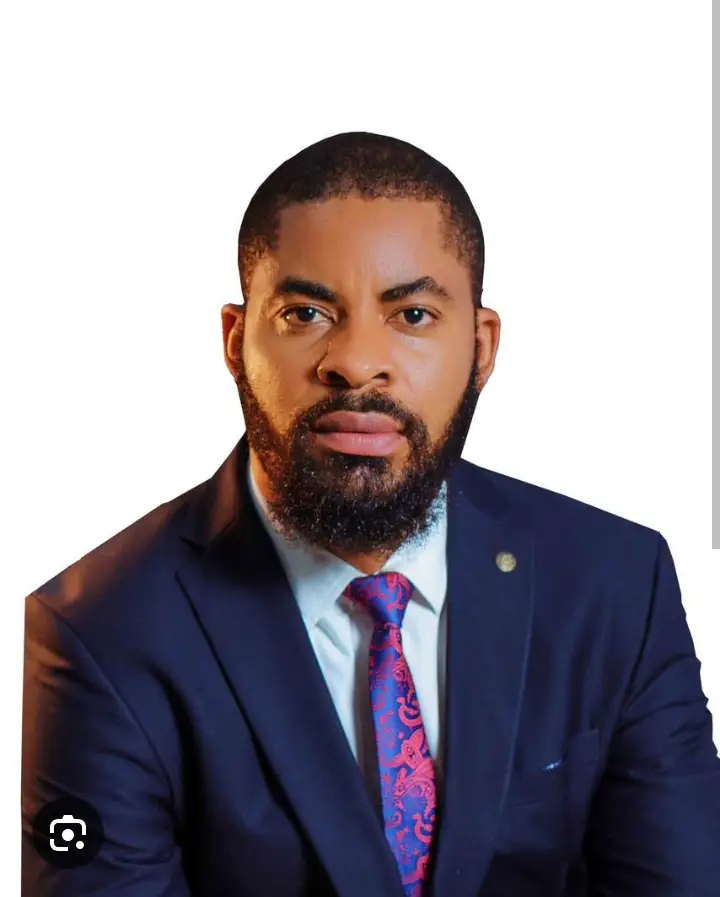
Human rights activist and lawyer, Deji Adeyanju, has called on Nigeria’s anti-corruption agencies to investigate allegations that the Chief Executive Officer of the Nigerian Midstream and Downstream Petroleum Regulatory Authority (NMDPRA), Farouk Ahmed, spent about $5 million on his children’s secondary school education in Switzerland.
In a statement on Tuesday, Adeyanju said if the allegation is proven to be true, it would raise serious questions about how such an expense could be legitimately funded from public service earnings.
Adeyanju made the call amid the ongoing dispute between billionaire businessman, Aliko Dangote, and the leadership of the NMDPRA, describing the controversy as one that touches on the integrity and future of Nigeria’s oil and gas sector.
While urging a thorough investigation into the allegation against the NMDPRA boss, the activist cautioned the Federal Government against what he described as “economic blackmail” by Dangote, insisting that the dispute should not be misconstrued as an altruistic fight for national interest.
According to him, Dangote’s disagreement with regulators is less about opposing regulation and more about resisting rules that limit market dominance in an oil sector he recently entered.
“This dispute is about market control and monopoly,” Adeyanju said, adding that the Federal Government must not collapse state authority under public pressure but should stand firmly behind its regulators, provided they operate within the law.
He stressed that Nigeria’s petroleum industry is governed by the Petroleum Industry Act (PIA), which promotes a willing buyer–willing seller framework and a competitive free market, rather than private sector dominance.
Adeyanju also questioned pricing by the Dangote Refinery, arguing that if the goal is to reduce fuel importation and encourage patronage of locally refined products, prices should be lower than imported alternatives.
“It makes no sense that petroleum products refined in Ibeju-Lekki are more expensive than fuel imported from as far away as Argentina or Brazil,” he said, while noting that there have also been claims though contested about the quality of the refinery’s products.
He further argued that investment risks associated with building a large-scale refinery should not be transferred to Nigerians through higher prices or reduced consumer choice.
“No one compelled Dangote to build a single-line refinery of this scale. Investment decisions carry risks, and Nigerians should not be made to pay more in the name of patriotism,” Adeyanju said.
The activist concluded by noting that the rift between Dangote and the NMDPRA leadership is not new, urging the Federal Government to carry out a comprehensive investigation into the entire matter, including allegations against the regulator and possible claims that bribes may have been offered or refused.
Adeyanju said such a holistic probe is necessary to restore public confidence and protect the integrity of Nigeria’s petroleum sector.



Idoma Day Abuja will unite our people, celebrate culture — Coordinator, Ewaoche Obe

Adeyanju commends terrorism prosecutions, demands justice for 20,000 detainees

Senator Abba Moro welcomes Pastor Kumuyi to Benue South ahead of crusade

BREAKING: Bandits kill former Benue SSG, David Salifu
BREAKING: Suspected herdsmen kill two, rustle over 40 cows in Okpokwu, Benue

Nigerian govt to replace NYSC khaki with adire

Court affirms David Mark as ADC National Chairman

Ardo Risku murder: ‘Police arrested our children at food joint in Otukpo town’ — Families insist suspects are innocent

Many feared killed, homes burnt as suspected herders invade Benue community

INEC to introduce downloadable PVCs ahead of 2027 elections

Kidnapped wife, son of Kebbi APC Chairman released
