
Benue news
Benue schools in turmoil over exam clearances, fees, stakeholder blames government


A prominent education figure in Benue State has sounded the alarm over what he described as ongoing confusion and bureaucratic hurdles affecting the registration and clearance of external examinations, urging urgent intervention from Governor Hyacinth Alia and the Benue State House of Assembly.
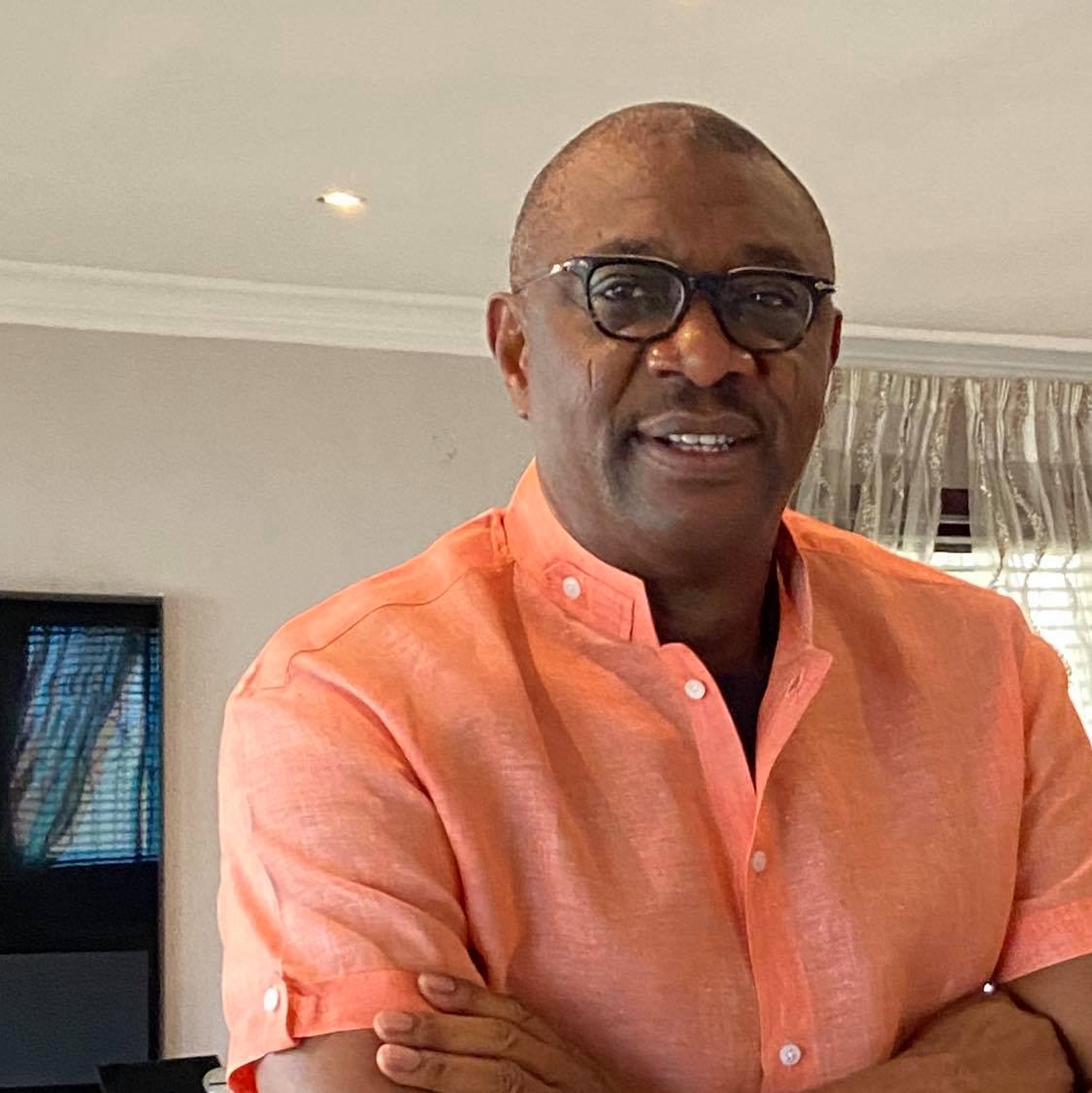
Rev. Fr. Dr. Francis Oche Atama, PhD, Principal of St. John Secondary School, Amoke in Apa Local Government Area, highlighted a growing tussle between the Benue State Ministry of Education and the Benue State Education Quality Assurance Agency (BEQA), which he said is causing undue challenges for schools, students, and parents alike.
In a statement to journalists, Atama explained that schools are increasingly uncertain about which government body is responsible for issuing statutory academic documents, collecting examination fees, and conducting school clearances for exams such as WASSCE, NECO SSCE, BECE, and mock assessments.
He alleged that documents obtained from the Ministry of Education are frequently rejected by BEQA, and vice versa, forcing school administrators to make duplicate payments and travel repeatedly to Makurdi with no guarantee of clearance.
“At the point of payment, whether to the Ministry or BEQA, you are likely to pay the same amount again to the other agency, as receipts from one are not recognized by the other,” Atama said.
Having served previously as Chairman of the Benue State Forum of Mission Education Secretaries and as National Chairman of the Association of Catholic Diocesan Directors and Secretaries of Education, Atama attributed the problem to unresolved administrative overlaps under the current government.
He questioned why similar conflicts do not occur in other states that administer the same national exams, suggesting that the dispute is motivated more by control of revenue than by concern for educational quality or student welfare.
The educationist also raised concerns about the additional financial pressure on parents, especially in rural areas facing insecurity and reduced farming incomes, who now must pay inflated examination fees due to repeated clearance demands.
Atama called on Governor Alia to use his executive powers to resolve the impasse and appealed to the State House of Assembly to enact legislation to prevent the recurring annual challenges.
“The continued inaction of both the governor and the House on this matter is deeply worrying,” he said, urging immediate steps to relieve parents and school administrators of the burden.
Despite the sharp criticism, Atama expressed optimism for the future of education in Benue, stressing that prompt intervention would serve the best interest of the state’s children and the education sector.
As of the time of reporting, the Benue State Government and its agencies had not issued any response to the allegations.



Iran confirms death of top official, Ali Mohammad in US-Israel airstrike

BRM insists Idoma must produce Benue Governor in 2027

Benue: Mass burial held for victims of herdsmen attack in Jato Aka
Former Rep Hassan Saleh disowns inclusion in PDP convention committee list

Okpebholo: ‘I only said he couldn’t pass WAEC at ‘miracle’ centre’ – APC’s Odigie clarifies

Names of Boko Haram, ISWAP commanders killed in Borno operation revealed

Four civilians, three police officers killed as suspected herdsmen raid Taraba community

2027: Peter Adejoh unveils technology-driven security plan to end killings in Benue

Parental blessings critical in fulfilment of destiny – Pastor Korede Komaiya

Owujoi K’Idoma and the Enone Equation: Why Williams Obande Obeya Stands Out for APC Ahead of 2027

Iran Intelligence Chief Khatib killed in Israeli attack
