
Latest News
Report: 36 Nigerians recruited for Russia-Ukraine war, five confirmed dead

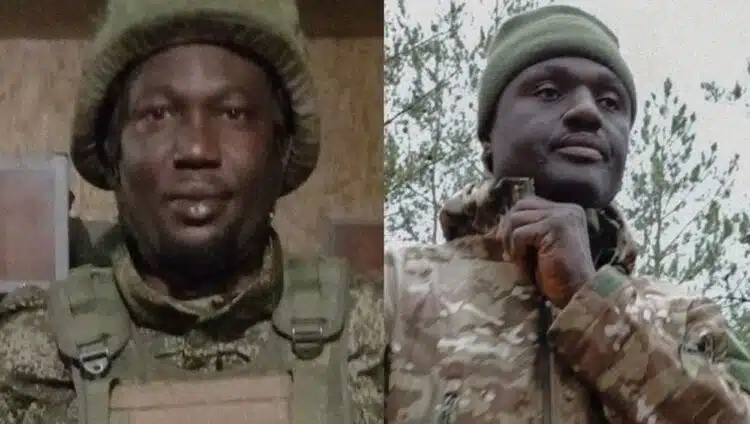
A fresh investigation has revealed that at least 36 Nigerians were recruited to fight in the ongoing war between Russia and Ukraine, with five of them confirmed to have lost their lives.
The report found that many young Nigerians were allegedly enticed with promises of jobs and educational opportunities abroad, only to be forced into military service after arriving in Russia.
Titled “The Business of Despair: The Russian Army’s Recruiting of African Fighters,” the report was published in February 2026 by investigative group All Eyes on Wagner.
It explained that following Russia’s invasion of Ukraine in February 2022, the country reportedly began recruiting fighters from several African nations to boost its military strength.
Using a database of 1,417 African recruits between 2023 and mid-2025 obtained from Ukrainian sources, the report identified Nigerians among foreign fighters deployed in dangerous frontline operations, often described as “cannon fodder.”
The average age of the recruits was 31, with many coming from poor and vulnerable backgrounds.
Five Nigerians were listed among the confirmed fatalities: Abdoulaye Issaka Ismael, 27; Agbo Moses Omale, 43; Adamu Abdulai Ismail, 25; Mikael, 47; and Fajobi Taiwo Omoniyi, 50.
According to the report, at least 316 African recruits have been killed so far, though the actual number may be higher, as the data is incomplete and additional deaths were traced through social media.
The investigation, carried out by the OSINT Accountability Project, uncovered alleged recruitment networks operating through travel agencies in Russia and across Africa.
These agencies reportedly promoted “fast-track” travel processes and worked with recruiters based in Russia, who contacted potential victims through Facebook, Instagram, Telegram, and TikTok.
Promotional content often portrayed an attractive lifestyle in Russia, featuring luxury cars and skyscrapers in Moscow to suggest wealth and success.
Nigeria was listed among the main target countries, alongside South Africa, Ghana, Kenya, Uganda, Cameroon, and Gambia.
The report said many recruits were misled by online adverts and discounted travel offers promising employment. However, on arrival, they were allegedly pressured into signing military contracts.
These contracts reportedly came with promises of large signing bonuses, monthly salaries of $2,000 to $2,500, special health benefits, and possible access to Russian citizenship.
In practice, many fighters complained that salaries were unpaid, reduced, or diverted by recruiters and superiors.
In 2025, Ukraine’s Foreign Minister, Andrii Sybiha, disclosed that over 1,400 Africans from 36 countries were fighting for Russia, with many later captured and held in Ukrainian prisoner-of-war camps.
The report warned that unless stronger safeguards are introduced, more vulnerable youths across Africa may continue to fall victim to deceptive recruitment schemes linked to the conflict.



Dollar to naira exchange rate today, September 6th, 2026

Pastor allegedly murders wife after infidelity claims, dies under moving truck in Ogun

10 things to know from Nigerian newspapers today, Sunday, September 6, 2026

Abba Moro tears Benue APC apart

Benue South PDP campaign flag-off: Hunger, anger as Abba Moro’s supporters stranded in Otukpo

Benue South politicians have reduced governance to ‘stomach infrastructure’ – Ejembi

Drama as Lagos judge orders arrest of alleged fake lawyer (VIDEO)

Arise TV stops interview after Wike’s aide Lere refuses Rufai questions (VIDEO)

‘El-Rufai did a lot of terrible things in Kaduna’ — Defence Minister

Farmer loses left hand after alleged herdsman attack in Adamawa

Terrorism: ‘Halt motorcycle palliatives’ — Defence Minister tells governors
