
idoma news
Owujoi K’Idoma and the Enone Equation: Why Williams Obande Obeya Stands Out for APC Ahead of 2027

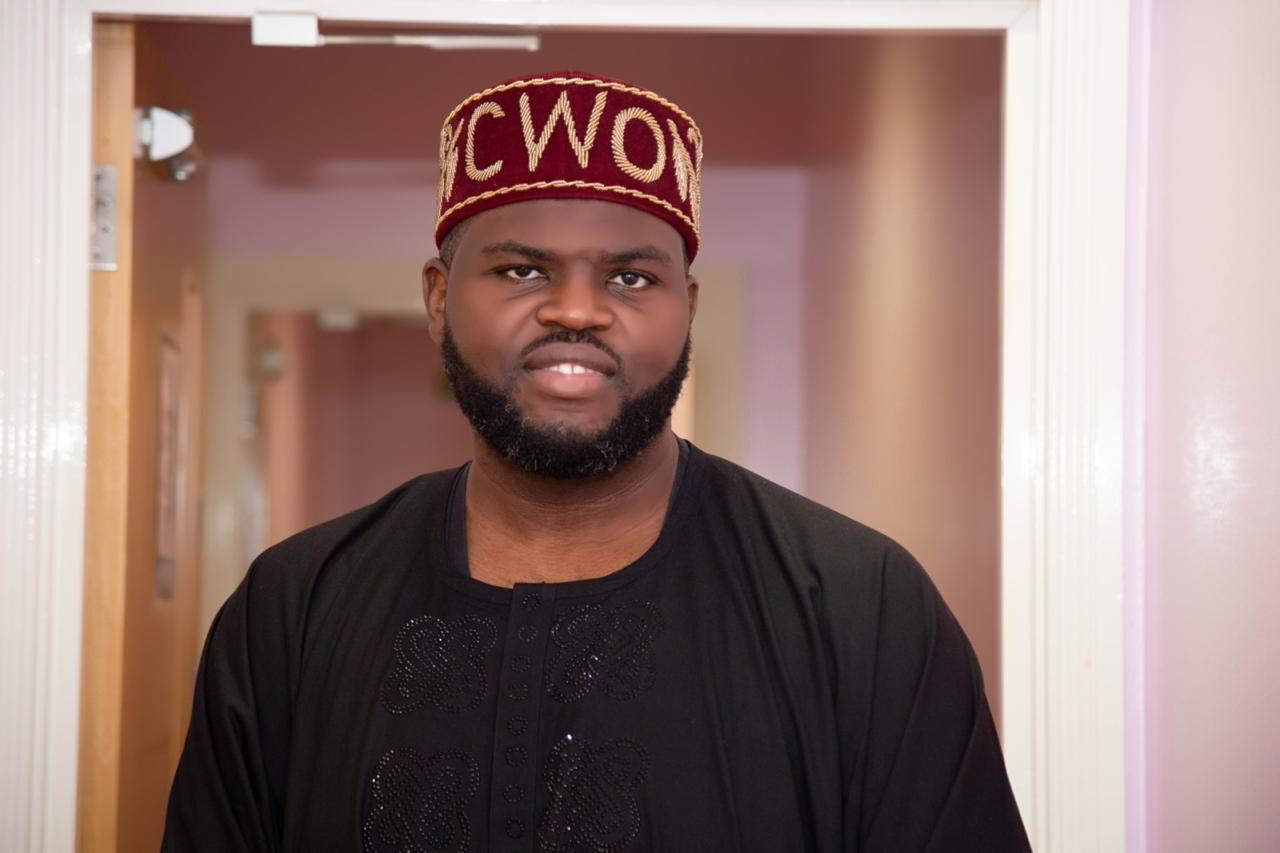
There are seasons in politics when a party must rise above routine calculations and make a decision that speaks to both the present and the future. It must look beyond slogans and listen carefully to the deeper expectations of the people. It must weigh character, capacity, reach, and credibility in equal measure. In Enone today, that moment has arrived for the All Progressives Congress.
As the 2027 general elections approach, the political terrain is already alive with alignments, quiet negotiations, and the familiar gang ups that often shape serious contests. In such an atmosphere, success will not come from guesswork. It will come from presenting a candidate whose name already carries acceptance, whose character commands respect, and whose capacity can withstand the demands of a modern election.
In that conversation, one name continues to command unusual consistency across Enone.
That name is Chief Dr Williams Obande Obeya, honoured with the title Owujoi K’Idoma, a recognition tied to his integrity, service, and measurable contributions to the advancement of the Idoma people. That title is not ceremonial. It reflects a reputation that has been built over time through visible impact and disciplined engagement with society.
Chief Obande represents a rare blend of heritage and personal accomplishment. He is the son of the late HRH Chief Francis Obande Obeya, Oche Enone I, a figure remembered across Idomaland for enterprise, philanthropy, and social courage. Yet what distinguishes him is not merely the strength of that legacy, but the fact that he has built his own record of service in ways that directly touch the lives of ordinary people.
Across Okpoga and the wider Enone axis, his interventions are not abstract. They are visible, practical, and enduring.
He has undertaken the construction of a Vocational Monotechnic and Nursing School in Okpoga through the WOCAM Educational Initiative, a project valued at about two billion naira, designed to bridge the skills gap and open pathways for young people into meaningful employment. In a region where youth unemployment remains a pressing concern, this single investment speaks volumes about his understanding of long term development.
He has supported basic education through the provision of desks and chairs to schools, improving learning conditions for pupils who would otherwise study in discomfort. He has also distributed over one thousand customised school bags with writing materials to children across Okpoga and parts of Ogbadibo, easing the burden on families and encouraging school attendance.
His commitment to human capital development extends beyond infrastructure. He has awarded scholarships to secondary school students over the years, while also sponsoring Master’s degree studies in the United Kingdom for indigenes of Okpoga, thereby creating a bridge between local potential and global exposure.
For widows and young adults, he has organised vocational training programmes in pastry making, not as symbolic gestures, but as structured empowerment initiatives. Participants are not only trained but supported with equipment upon completion, enabling them to start small scale enterprises and sustain livelihoods.
His interventions also reflect sensitivity to the realities of everyday life. He has supported mobility and security through the distribution of customised reflective vests to Okada riders across Enone, enhancing identification and safety. He has contributed to community leadership structures through the provision of chairs to the Okpoga Traditional Council, strengthening the dignity of traditional institutions.
On infrastructure, he has opened rural roads in Okpoga, improving access for farmers, traders, and motorists, thereby supporting local economic activity. In moments of personal distress within the community, his response has been direct and humane, as seen in the rebuilding of a four bedroom house for a widow whose home was destroyed by an electricity surge. 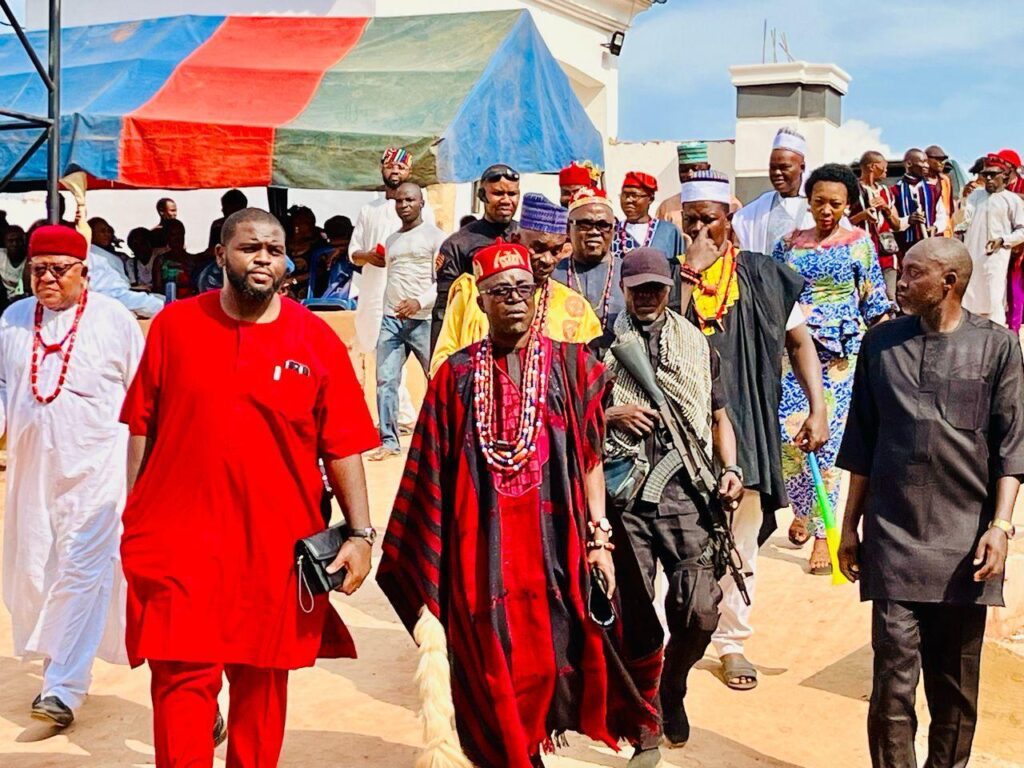
Perhaps most symbolic of his vision is the ongoing construction of the Okpoga Unity Park, a thoughtful development that brings together a garden, gym, restaurant, board game facilities, and modest accommodation. It is conceived as a community space, a place of relaxation, interaction, and economic activity. It reflects a mind that understands that development is not only about survival, but also about dignity, leisure, and shared identity.
These are not the footprints of a man waiting for public office before discovering the people. They are the marks of one who has already embraced responsibility.
Beyond his local impact, Chief Obande brings a strong diaspora dimension that could prove decisive for Enone. Having lived and worked in the United Kingdom, and now playing a leadership role within the Idoma community there, he represents a bridge between home and diaspora. That connection is not symbolic. It carries real potential for attracting diaspora capital, partnerships, and opportunities into Enone.
In a world where development increasingly depends on networks that stretch beyond borders, a representative with credible diaspora reach can unlock new streams of investment in education, enterprise, infrastructure, and youth development. Chief Obande’s profile positions him to play that role effectively. Yet what strengthens his standing is that his international exposure has not disconnected him from home. He has remained in constant touch with his ancestral roots, maintaining visibility and engagement within Enone. That rootedness strengthens his electability because the people recognise him as one of their own, not a distant figure returning only for political ambition.
Politically, this combination of local impact and global exposure is rare.
For the APC, the strategic implications are clear. Enone is not a constituency where a candidate can rely solely on party structure. The contest will require a figure who can consolidate support, withstand pressure, mobilise resources, and command respect across divides. It will require a candidate who can speak to the grassroots and also engage broader networks that can support development.
Chief Obande brings that balance.
He carries integrity in a season where credibility is under scrutiny. He carries financial strength in a contest that will demand endurance. He carries acceptance across communities in a constituency that requires unity. He carries a track record that voters can see and measure. He carries a diaspora connection that can open new opportunities. He carries a calm but firm presence that reassures rather than divides.
In moments like this, political parties must resist the temptation to experiment when clarity is already before them.
For Enone, Chief Dr Williams Obande Obeya stands not merely as a contender, but as a statement of intent. A statement that leadership can still be grounded in character. A statement that service can precede office. A statement that the bridge between home and diaspora can be used for real development. A statement that politics, even in its complexity, can still produce a candidate who embodies both strength and restraint.
As 2027 draws nearer, the responsibility before the APC is weighty. The choice it makes will echo beyond the election itself.
In Chief Dr Williams Obande Obeya, Owujoi K’Idoma, the party has before it a candidate whose life already answers many of the questions the moment is asking.
The times demand wisdom.
Enone is watching.



Drama as Lagos judge orders arrest of alleged fake lawyer (VIDEO)

Arise TV stops interview after Wike’s aide Lere refuses Rufai questions (VIDEO)

‘El-Rufai did a lot of terrible things in Kaduna’ — Defence Minister

Farmer loses left hand after alleged herdsman attack in Adamawa

Terrorism: ‘Halt motorcycle palliatives’ — Defence Minister tells governors

FCT police rescue two abandoned babies in Kurudu, Gwagwalada

NECO questions leaked before exams, sold for N3,000 – Education Minister

Jonathan lost as sitting president, Tinubu can lose too – Kwankwaso

2027: I’m ready to die for my vote – Peter Obi

Like Father, Like Son: Meet Idoma Generals following their fathers’ footsteps in Nigerian Army

13-year-old Ice King Ochacho gifts Peller £20,000
