
Nigeria News
Alleged terror financing: SEC orders immediate freeze on 13 capital market entities

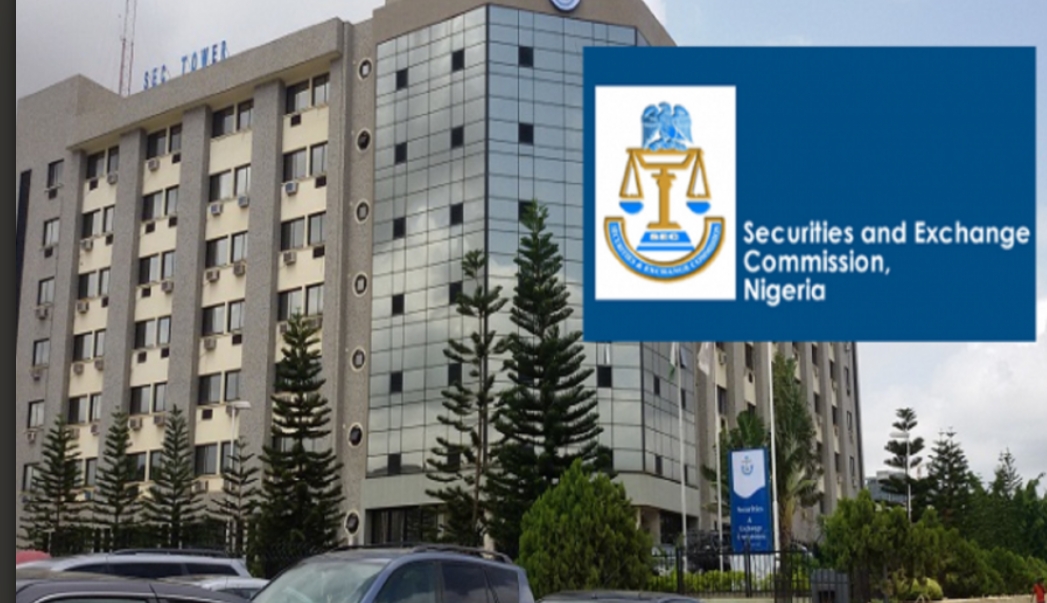
Nigeria’s Securities and Exchange Commission (SEC) has directed the immediate freezing of assets linked to 13 newly identified entities suspected of ties to terrorism financing within the capital market.
The action, contained in a notice titled ‘Commission’s sweeping compliance directive issued to capital market operators’, follows the designation of 10 individuals and three organisations on the Nigeria Sanctions List by the Nigeria Sanctions Committee.
Relying on provisions of the Terrorism (Prevention and Prohibition) Act, 2022, the Commission ordered that all funds, assets, and economic resources connected to the affected persons and entities be frozen without prior notification.
According to the SEC, all Capital Market Operators (CMOs) and relevant stakeholders have been formally notified that, in line with Section 49 of the Act, the Nigeria Sanctions Committee approved the inclusion of the listed names for enforcement measures such as asset freezes, travel restrictions, and arms embargoes.
“The directive to freeze accounts and suspend all dealings with the affected entities is compulsory for all operators and stakeholders, with strict compliance and reporting requirements, including: immediate identification and freezing of assets linked to designated individuals and entities without prior notice, as well as mandatory reporting of such actions and attempted transactions to the Nigeria Sanctions Committee Secretariat.”
Further details showed that a number of those listed were previously convicted by the Abu Dhabi Federal Court of Appeal in April 2019 over terrorism financing linked to Boko Haram.
Investigations revealed that the offences involved raising funds in Dubai and transferring them to Nigeria to support terrorist operations, with penalties ranging from 10-year jail terms to life imprisonment.
“This highlights a pattern where corporate vehicles are used as channels for financial flows, reinforcing the need for heightened scrutiny of business entities within the financial system.
“The SEC also emphasized that the asset-freezing mechanism is preventive rather than punitive, designed to disrupt financial support systems for terrorism before funds can be deployed.
“The implications for non-compliance are severe, including both civil and criminal liabilities, as well as reputational damage for institutions found wanting.
Additionally, the directive extends beyond traditional financial institutions to include Designated Non-Financial Businesses and Professions (DNFBPs), signalling a more comprehensive enforcement approach across Nigeria’s financial ecosystem.”
The Commission noted that the move aligns with its strict enforcement of anti-money laundering and counter-terrorism financing (AML/CFT) regulations in the capital market, stressing the need for real-time compliance, detailed disclosures, and continuous monitoring of transactions.
“For market operators, the trading systems must be capable of rapid name screening, asset tracing, and reporting, while compliance teams are expected to act without delay or prior notice to affected clients.
“It has to be noted that failure to comply not only exposes firms to regulatory sanctions but also risks damaging their credibility in both domestic and international markets”, the statement added.



‘I’m not afraid of you’ — Pope Leo fires back at Trump

Alleged terror financing: SEC orders immediate freeze on 13 capital market entities

‘Give us Reps seat now, we’ve waited too long’ – Okpoga fires warning shot over Enone House of Reps seat

Abroad-based man killed as truck crashes into building in Aba

450 stolen motorcycles recovered, kidnapped driver rescued as police bust syndicate in Imo

INEC: Amupitan under fire over partisan content in support of Tinubu on X

Tension as court adjourns ruling in suit seeking to remove David Mark, Aregbesola as ADC Leaders
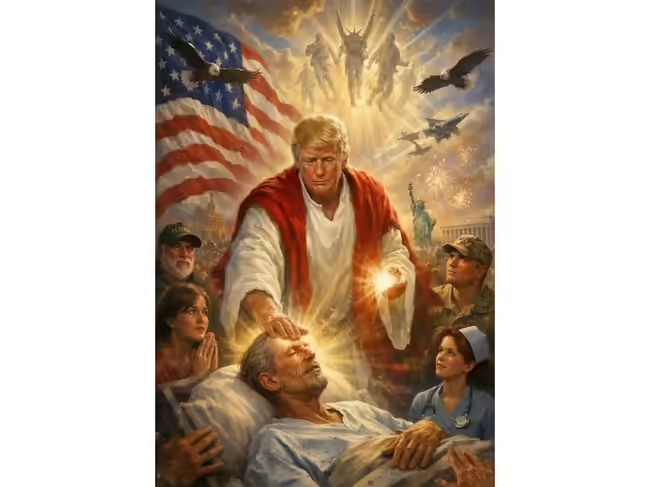
Controversy as Trump posts AI Image of himself as Jesus

Gospel Music Minister, Godwin Oloche Odeh Honours Late Evang. Peter Otulu

BREAKING: Court postpones ruling in suit seeking removal of Mark, Aregbesola as ADC leaders to April 14

Idoma TV set to unveil new broadcast studio in Abuja
