
Nigeria News
Boko Haram members’ names spotted on the Army recruitment list – Rep. Wase

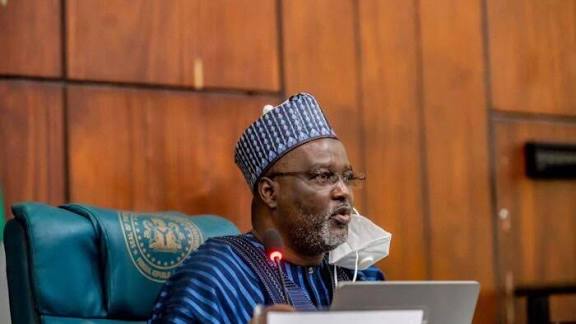
Ahmed Idris Wase, former Deputy Speaker of the House of Representatives, on Wednesday revealed that at one point, Boko Haram operatives were discovered on the Nigerian Army recruitment roster. He cautioned that such lapses are seriously undermining the country’s security infrastructure.
Speaking during a special plenary convened to review Nigeria’s security challenges, Wase said the former Chairman of the House Committee on Defence, Muktar Betara, could confirm the claim.
“This exposes serious weaknesses in our recruitment procedures, which have allowed individuals with criminal affiliations to infiltrate critical security institutions,” Wase stated.
Wase, visibly emotional, noted that he had personally lost both a brother and a cousin to terrorist attacks, adding that such breaches partly explain why militant groups continue to operate freely across the country.
He revealed that insecurity has escalated to the point that even his younger brother had to plead for assistance to relocate from their community.
He said: “My brother, former chairman of defense, and my very good friend, Betara, will bear with me that we have moments in when in the process of recruitment, we found in the list names of criminals. Boko Haram members were found in the list of Army.
“There has to be a thorough way of ensuring that when we are recruiting, those of us who are politicians should recommend people of good character and integrity.
That’s the only way we can solve this problem. You find a criminal in the system, and before you know it, whatever you do, you cannot have the problem resolved. So we must change the system and way of our recruitment.
“Yes, as politicians, it’s good to recommend. This is what we are here for. But when you are recommending, please recommend people of integrity, people that will meet standards and ensure that they give the best access to our country.”
Wase further explained that part of the persistence of Nigeria’s security challenges stems from individuals who profit from the chaos, enabling criminal networks to move freely and operate with little hindrance.
He also criticized the politicization of indigeneship and citizenship as a major factor driving national division, calling for constitutional reforms to address the issue.
Siting the severity of the crisis, Wase stated that kidnapping has become commonplace, with an estimated N5 billion reportedly paid in ransom over the course of a year and more than 30,000 lives lost to Boko Haram-related violence over time.
He urged lawmakers to implement a holistic approach, stressing that the magnitude of insecurity in Nigeria is far more severe than generally recognized and requires urgent, coordinated measures.



Benue: Police inspector shot dead by gunmen in Makurdi, rifle stolen

Gunmen abduct 24-year-old herder in Otukpo, demand N4m ransom

2027: Resign before March 30 if you want to contest — Gov Alia tells appointees

Nigerian govt not accepting foreign deportees – Presidency

Wale Adenuga trademarked my stage name – Pa James opens up

Arsenal must prove they can win trophies – Arteta

CONFIRMED: Ronaldo dropped from Portugal’s squad

We have started ending insecurity in Benue – Gov Alia

Delta: Police arrest five over assault of women at Ozoro Festival

Iran confirms death of top official, Ali Mohammad in US-Israel airstrike

BRM insists Idoma must produce Benue Governor in 2027
