
Nigeria News
CBN directs banks to bar loan defaulters from accessing credit facilities

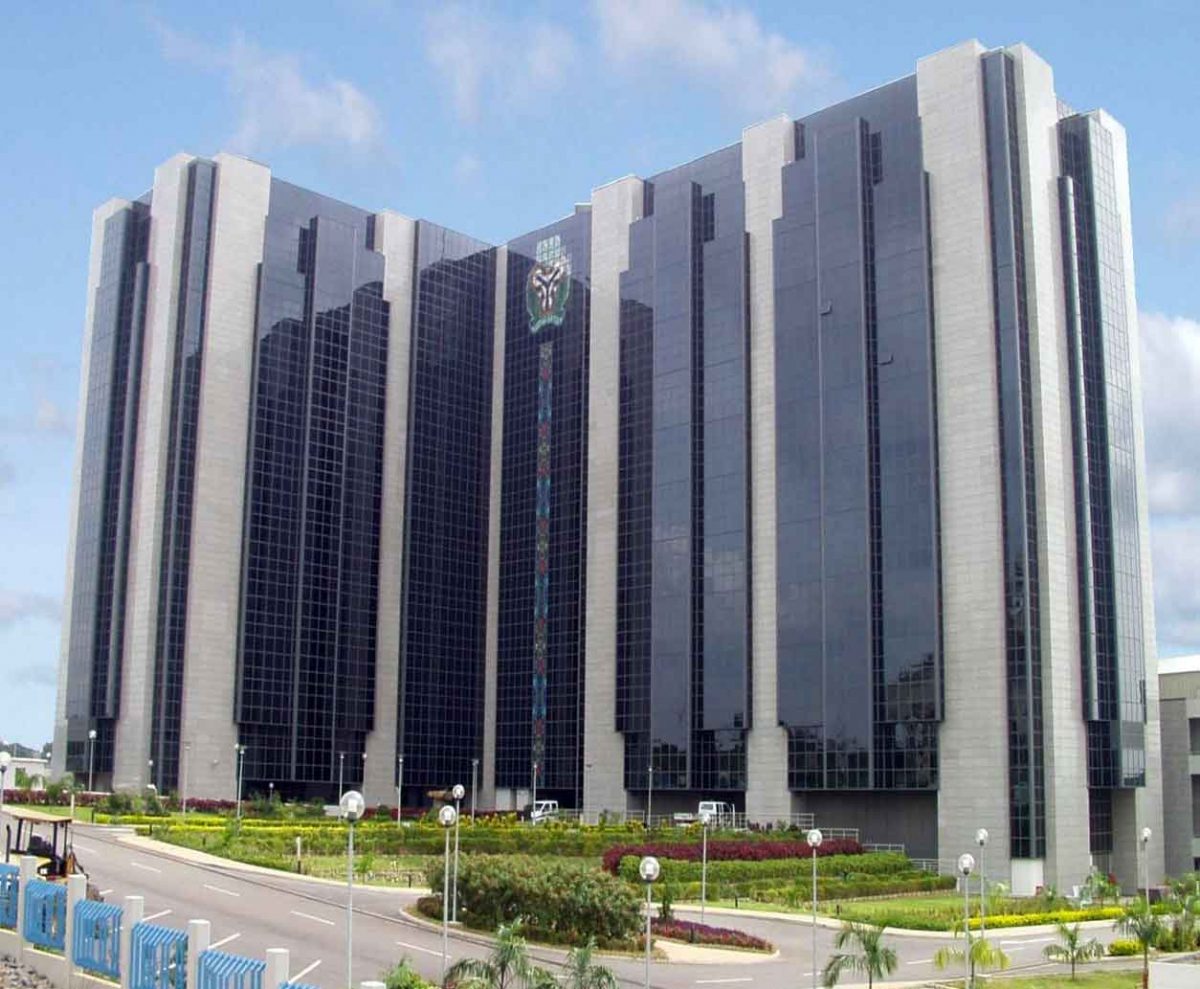
The Central Bank of Nigeria (CBN) has instructed commercial banks to restrict loan defaulters, particularly large-ticket obligors, from accessing credit facilities.
A large-ticket obligor refers to an individual or company that owes a significant amount of money to a bank.
The directive was issued in a circular to banks, seen by TheCable on Monday, and comes days after the CBN asked financial institutions to conduct stress tests. It is not clear if the two measures are connected, but the apex bank said the move is part of its mandate to protect Nigeria’s financial system.
“In furtherance of its mandate to promote a sound financial system, protect depositors, and enhance prudential compliance within the banking sector, the Central Bank of Nigeria (CBN) hereby directs all banks to restrict non-performing large-ticket obligors, whose activities pose systemic risk to the financial system, from accessing specified banking services,” the circular states.
The circular further clarifies that any large-ticket obligor with a non-performing facility recorded in the Credit Risk Management System (CRMS) or any licensed private credit bureau shall not be granted additional credit facilities. This includes loans and other forms of direct credit.
In addition, such obligors are barred from accessing contingent banking facilities such as bankers’ confirmations, letters of credit, performance bonds, or advance payment guarantees.
To strengthen collateral coverage, the CBN also directed banks to obtain additional realizable collateral from these borrowers to adequately secure existing exposures.
The central bank defines large-ticket obligors as borrowers whose exposures, individually or combined across banks, exceed the Single Obligor Limit (SOL) in a way that materially affects a bank’s Capital Adequacy Ratio (CAR) or poses systemic risk. This aligns with Clause 3.2(d) of the 2010 Prudential Guidelines for Deposit Money Banks in Nigeria.
“This directive reinforces earlier measures, particularly the circular titled ‘Prohibition of Loan Defaulters from Further Access to Credit Facilities in the Banking System,’ issued on June 30, 2014. It aims to ensure consistency and effectiveness in curbing credit abuse by large-ticket obligors,” the CBN said.
The regulator said it will monitor compliance to ensure consistent implementation across the banking sector and warned that noncompliance would attract regulatory sanctions under the Banks and Other Financial Institutions Act (BOFIA) 2020.
Nigeria’s banks are currently undergoing a recapitalization programme, scheduled to end by March 31, 2026. So far, about 30 banks have met the minimum capital requirements announced in March 2024.



War: ‘We did it’ – Iran admits shooting down US aircraft in Iraq

Benue people left me alone at the end of my tenure – Ortom
BREAKING: Four killed after US refuelling plane crashes in Iraq

CBN directs banks to bar loan defaulters from accessing credit facilities

Fear grips Benue South APC as loyalists of Rep Philip Agbese dump party

Benue: Senate calls for military base in Kwande to tackle rising insecurity

Powerful interests working against Tompolo’s war on oil theft – Adeyanju

Abuja fertility case: Defence counsels warn against misrepresentation of facts

10 Things to Know from Nigerian newspapers, Friday, 13th March 2026

Benue Assembly approves second reading of Security Trust Fund Bill

Burial of 13 Benue attack victims postponed as mortuary attendant disappears
