
idoma news
Centenary celebration: Idoma not 100 years old – Ochetoha K’Idoma President, Yakubu ochefu

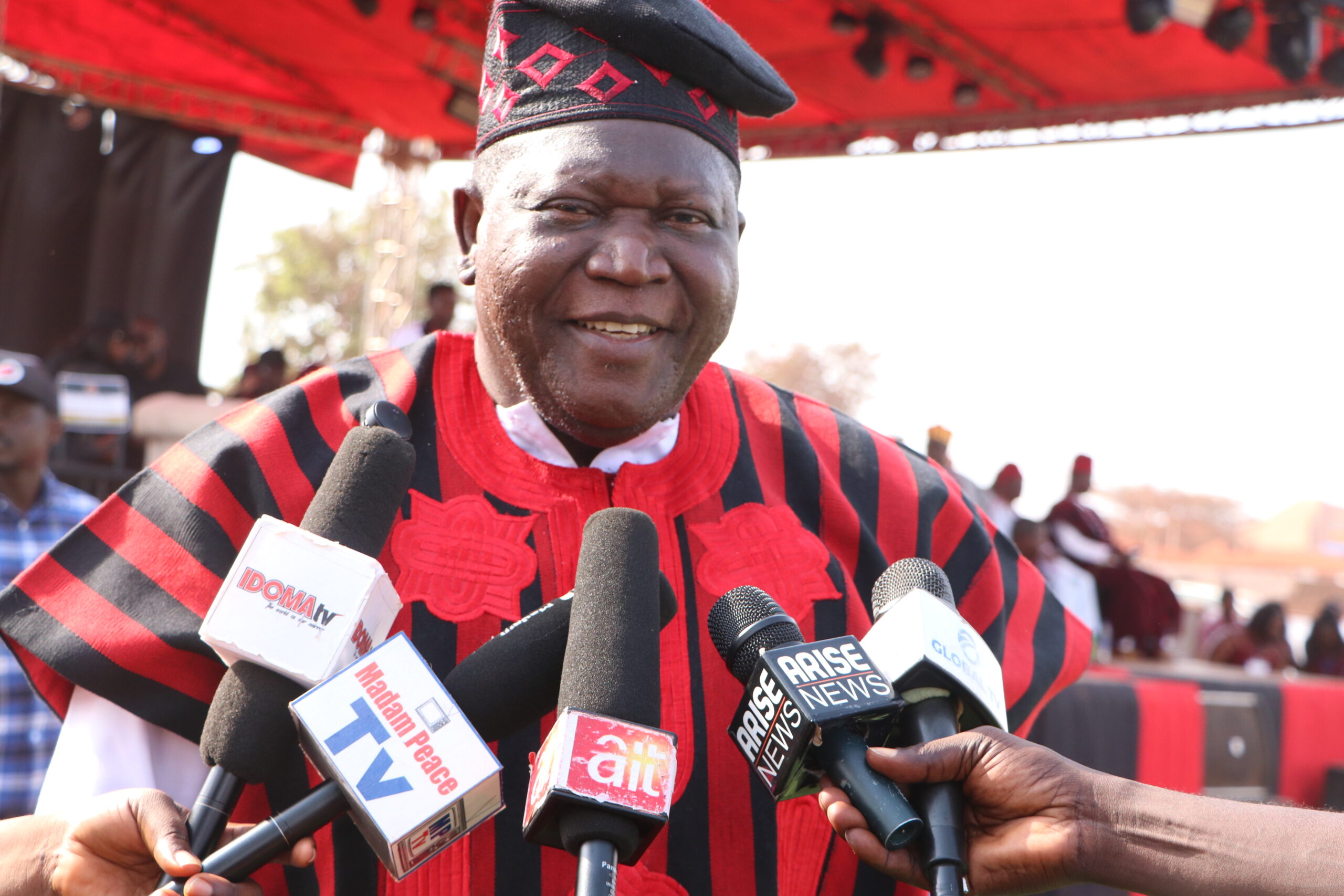
The President General of Ochetoha K’Idoma, Prof. Yakubu Ochefu, has clarified that the Idoma people are not 100 years old, stressing that the ongoing centenary celebration refers only to the creation of the Idoma administrative division during the colonial era.
Ochefu, who is also a Professor of Economic History and Development Studies at Moses Orshio Adasu University, made the clarification while reacting to public discussions surrounding the celebration of the Idoma centenary.
According to him, claims suggesting that the Idoma people are only 100 years old reflect a misunderstanding of history.
“It is not true that Idoma is only 100 years old. Anybody who says that is completely ignorant of our history,” he said.
He explained that the centenary celebration marks the creation of the Idoma Division by the colonial administration in the early 1920s, which brought together various districts inhabited by the Idoma and other related ethnic groups under one administrative structure.
Ochefu noted that before the creation of the division, the various Idoma-speaking communities were administered under different colonial provinces.
He said between 1907 and 1920, communities now in Oju and Obi were administered from Abakaliki in southern Nigeria, while Okpokwu, Ogbadibo and parts of Ado were administered from Nsukka under the Onitsha Province.
Similarly, Ugboju, Adoka, parts of Ohimini and Apa were administered from Ankpa under the Kabba Province of Northern Nigeria, while other areas of Apa and Agatu were administered from Lafia.
According to him, the colonial government in 1919 commissioned ethnographic surveys aimed at properly aligning boundaries and grouping people considered to share cultural and linguistic ties.
He said the survey recommended adopting “Idoma,” the predominant language of the people, as the name of the new administrative entity, replacing the earlier “Akpoto District” designation.
“In one single step, the name of the language became the name of the land and the administrative entity,” Ochefu explained.
He added that the headquarters of the division was moved from Okpoga to Otukpo due to its strategic location, with the Port Harcourt–Kaduna railway line and the Makurdi–Onitsha road passing through the town.
The division, he said, was made up of 22 districts, including clans such as Igumale, Agila, Otukpa, Ugboju, Adoka and Otukpo, while others like Agatu, Ochekwu, Oglewu, Onyangede and Edumoga consisted of federated districts made up of several smaller clans.
Ochefu noted that the Idoma Division also included ethnic groups that were not native speakers of the Idoma language, including the Igedde, Ufia and Akweya.
He therefore explained that the centenary celebration marks about 103 years since the creation of the Idoma administrative entity rather than the origin of the Idoma people.
Tracing the deeper roots of the people, Ochefu said the history of the Idoma dates back several centuries, noting that the first major migration from the Apa homeland occurred more than 500 years ago.
He added that historical records show that some Idoma groups once settled near present-day Makurdi for about 200 years before relocating due to pressure from expanding Tiv settlements.
According to him, other groups migrated to parts of present-day Cross River State, including Yala, Yache and Nkim, while some moved into Igala land before later returning to what is now known as Idomaland.
Ochefu urged the public to avoid spreading inaccurate narratives about the history of the Idoma people, stressing that historical research and documentation provide clearer insights into the origins and development of the ethnic group.
He said the centenary celebration is intended to showcase the rich culture, history and traditions of the Idoma people while encouraging deeper research and understanding of their heritage.














One dead, another injured as suspected herders attack Benue community

Troops rescue three kidnap victims in Benue

Troops repel attack in Benue, kill several terrorists, lose one soldier

Senator Abba Moro welcomes PDP delegates to Abuja

2027: Peter Adejoh receives royal blessing in Orokam, as ADC moves to position him as consensus candidate

‘Senator Abba Moro is Ichabod, spirit of God has left him – Ottah Agbo

Idoma native, Peter Akor gains recognition in UK for AI epilepsy breakthrough
Benue 2027: ADC moves to present Peter Adejoh as consensus governorship candidate

Houthis enter Middle East war, launch missile toward Israel

2Face Idibia reveals why afrobeats will never die

2027: We didn’t peg presidential nomination forms at N200m – APC clears the air
