
Nigeria News
Inside Nigeria’s silent storm: How N11bn trail deepened suspicion in alleged coup probe

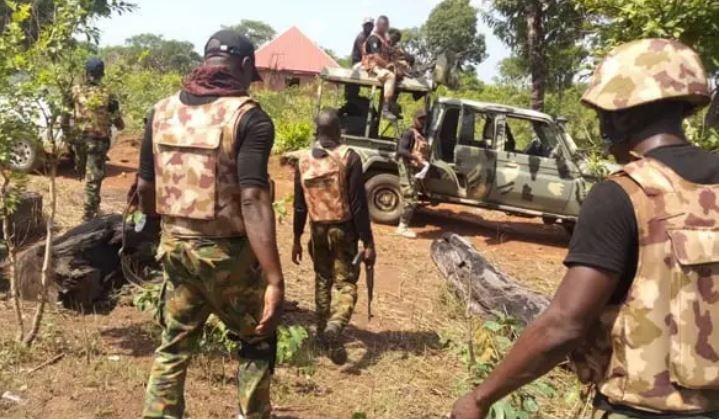
A quiet but far-reaching investigation within Nigeria’s military establishment has taken a dramatic turn after security operatives reportedly traced over ₦11 billion to bank accounts linked to a colonel currently in detention over an alleged coup plot.
Senior intelligence officials confirmed that the financial discovery has intensified scrutiny around the officer, who was reportedly part of a network of serving personnel under investigation for plotting to overthrow the government.
A Trail of Money and Suspicion
According to sources familiar with the investigation, the detained colonel, once deployed to the Niger Delta, served directly under a brigadier general who is also now under interrogation.
“When questioned, he claimed the money belonged to a former governor whom he described as a business associate,” a source disclosed. “He maintained that the funds were connected to a legitimate private venture, not any subversive plan.”
But investigators, according to insiders, are unconvinced. The Defence Intelligence Agency (DIA) reportedly began tracing unusual transactions and communications months before the officer’s arrest — a move that eventually uncovered the massive cash flow.
The Probe That Began With a Whisper
Security sources said the current probe stems from intelligence reports received in August 2024 suggesting a simmering plot among a group of serving officers.
The DIA, working discreetly, began monitoring their communications, overseas meetings, and financial patterns. “The surveillance was long-term and deliberate,” one senior officer said. “They had been under watch for over a year before arrests were made.”
The same source revealed that the suspects allegedly planned three separate strike windows — June 12, October 1, and an undisclosed date later this year. Two of those days, Democracy Day and Independence Day, came and went without incident — partly due to heightened security alerts.
Adjusting the Presidency’s Movements
The probe, insiders said, influenced subtle but significant changes at the highest level of government.
According to one official, President Bola Tinubu’s frequent stays in Lagos and reduced physical presence at national events in Abuja were part of precautionary measures informed by intelligence assessments.
“There was credible intelligence that a strike could happen around Independence Day,” the source said. “That’s why the public parade was cancelled. It wasn’t just logistics — it was security management.”
Shake-Up in the Military Hierarchy
Last Friday, President Tinubu dismissed all service chiefs in what government sources described as a “broad-based leadership reset.”
But insiders say the decision was triggered in part by how the previous Defence Headquarters publicly confirmed the arrest of 16 officers — a move considered “premature and poorly managed.”
“The disclosure created unnecessary panic,” a source said. “It gave room for misinterpretation at home and abroad, and that carelessness hastened the change in leadership.”
By replacing all the service chiefs at once, the Presidency reportedly aimed to avoid any perception of selective punishment while restoring confidence within the ranks.
Managing a Sensitive Situation
Though the Defence Headquarters continues to deny any coup attempt, multiple intelligence operations are still underway. Officials are said to be cautious about revealing details — particularly the regional backgrounds of those detained — to prevent ethnic tensions within the armed forces.
Reports indicate that most of the 15 detained officers hail from northern states including Nasarawa, Niger, Bauchi, Kaduna, Plateau, Gombe, Katsina, Jigawa, and the FCT.
“The silence is deliberate,” one top source noted. “It’s about maintaining stability. The last thing the military wants is to politicise internal discipline or trigger ethnic suspicion.”
Wider Military Restructuring
As the probe continues, the Nigerian Air Force on Friday announced a new round of senior postings affecting 25 officers — part of what officials described as a broader push for efficiency under new leadership.
A statement by Air Commodore Ehimen Ejodame said the redeployment aims to strengthen coordination, improve response readiness, and align operations with the vision of Air Marshal Sunday Aneke, the newly appointed Chief of Air Staff.
The Army has also initiated a similar reshuffle, marking what analysts see as the most extensive internal reorganisation since 1999.
A Military on Edge
For now, Nigeria’s defence community remains tight-lipped. The alleged ₦11 billion discovery adds a new layer of complexity to an already delicate situation — one blending national security, political sensitivity, and the quiet recalibration of power within the armed forces.
Whether the funds prove to be business proceeds or evidence of a deeper conspiracy, investigators say the case is far from closed.



Military Pension Board: Onoja Declares Full Support for Abdulraheem

Police confirm abduction of 14 JAMB UTME candidates in Otukpo, Benue

Gunmen kidnap 18 passengers in Benue Links bus attack in Otukpo

Army foils abduction, rescues two victims in Benue

Late Brigadier General Braimah, others buried with full military honours in Maiduguri

BREAKING: 2027 will be my last attempt at the presidency – Atiku

‘I’ll send you to scatter them, they’re already confused’ – Tinubu tells Akpabio
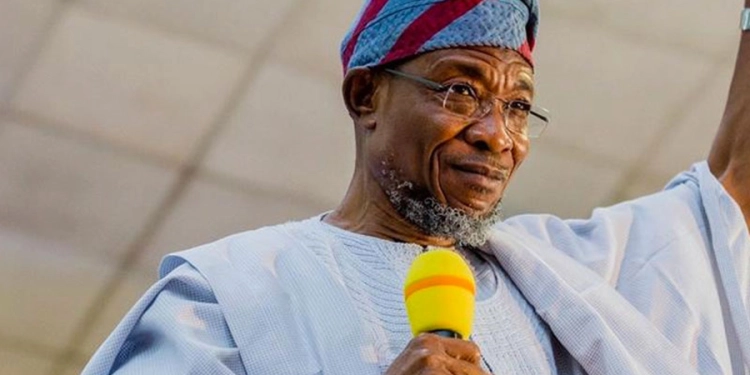
Why ADC lost Anambra, FCT polls – Aregbesola

‘Road to Aso Rock begins now’ – David Mark speaks as ADC alters constitution at convention

Herdsmen Declare War on Idoma Community – Untold story of Edikwu-Ankpali massacre

Gov Alia orders immediate flush-out of armed herders from Benue forests