
Nigeria News
More Trouble for Nigerians as marketers increase cement prices nationwide

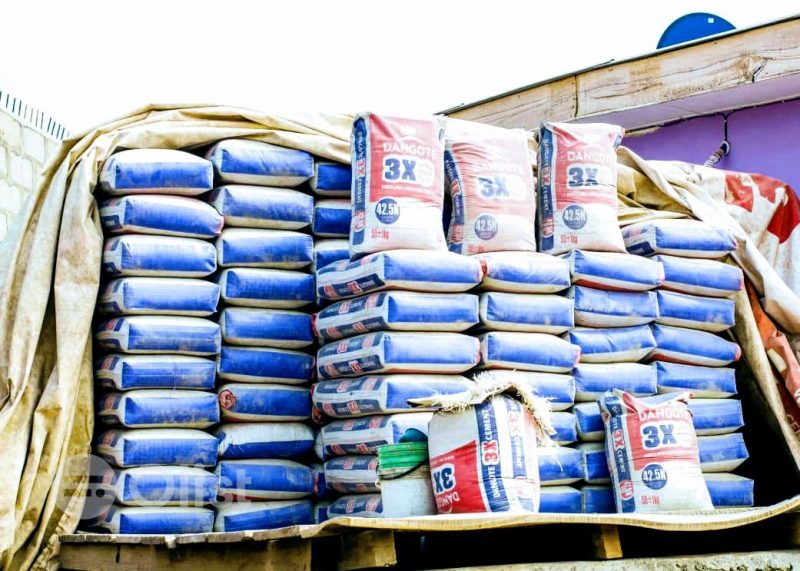
Nigerians are facing renewed economic pressure as cement manufacturers have again increased prices, pushing the cost of the essential building material to record levels across the country.
Findings show that a 50-kilogramme bag of cement now sells for as high as ₦10,500 in many markets, up from about ₦9,800 in December 2025. This represents an increase of roughly ₦1,000 per bag, or about 7.1 per cent within one month.
The new price regime has already taken effect in Abuja, Nasarawa, Niger State and several other parts of the country, with variations depending on location and distribution costs. Major brands affected include Dangote Cement, Mangal Cement and other leading producers.
The latest hike has sparked concern, coming despite Nigeria’s vast deposits of raw materials used for cement production, including limestone reserves in Obajana, Kogi State; Okpella, Edo State, and other locations nationwide.
The development also contradicts earlier assurances by key stakeholders in the cement industry, who had pledged that the price of cement would not exceed ₦7,000 per bag.
Industry watchers warn that the rising cost of cement will further worsen Nigeria’s housing crisis, as construction costs continue to climb. House rents have already surged sharply, particularly in major cities.
Recent market checks indicate that the minimum annual rent for a self-contained apartment has risen by more than 100 per cent, jumping to about ₦800,000 from roughly ₦400,000, especially in urban centres such as Abuja and Lagos.
Despite the mounting burden on households, the federal government has so far remained largely silent on the escalating cost of building materials, rent and the general cost of living.
Meanwhile, inflationary pressure continues to weigh on the economy. Nigeria’s inflation rate rose to 15.15 per cent in December 2025, compared to 14.45 per cent recorded in the previous month, further eroding the purchasing power of citizens already grappling with rising prices across multiple sectors.



Iran confirms death of top official, Ali Mohammad in US-Israel airstrike

BRM insists Idoma must produce Benue Governor in 2027

Benue: Mass burial held for victims of herdsmen attack in Jato Aka

Former Rep Hassan Saleh disowns inclusion in PDP convention committee list

Okpebholo: ‘I only said he couldn’t pass WAEC at ‘miracle’ centre’ – APC’s Odigie clarifies

Names of Boko Haram, ISWAP commanders killed in Borno operation revealed

Four civilians, three police officers killed as suspected herdsmen raid Taraba community

2027: Peter Adejoh unveils technology-driven security plan to end killings in Benue

Parental blessings critical in fulfilment of destiny – Pastor Korede Komaiya

Owujoi K’Idoma and the Enone Equation: Why Williams Obande Obeya Stands Out for APC Ahead of 2027

Iran Intelligence Chief Khatib killed in Israeli attack
