
Nigeria News
National Assembly moves to vote on 44 bills to review Nigeria’s Constitution

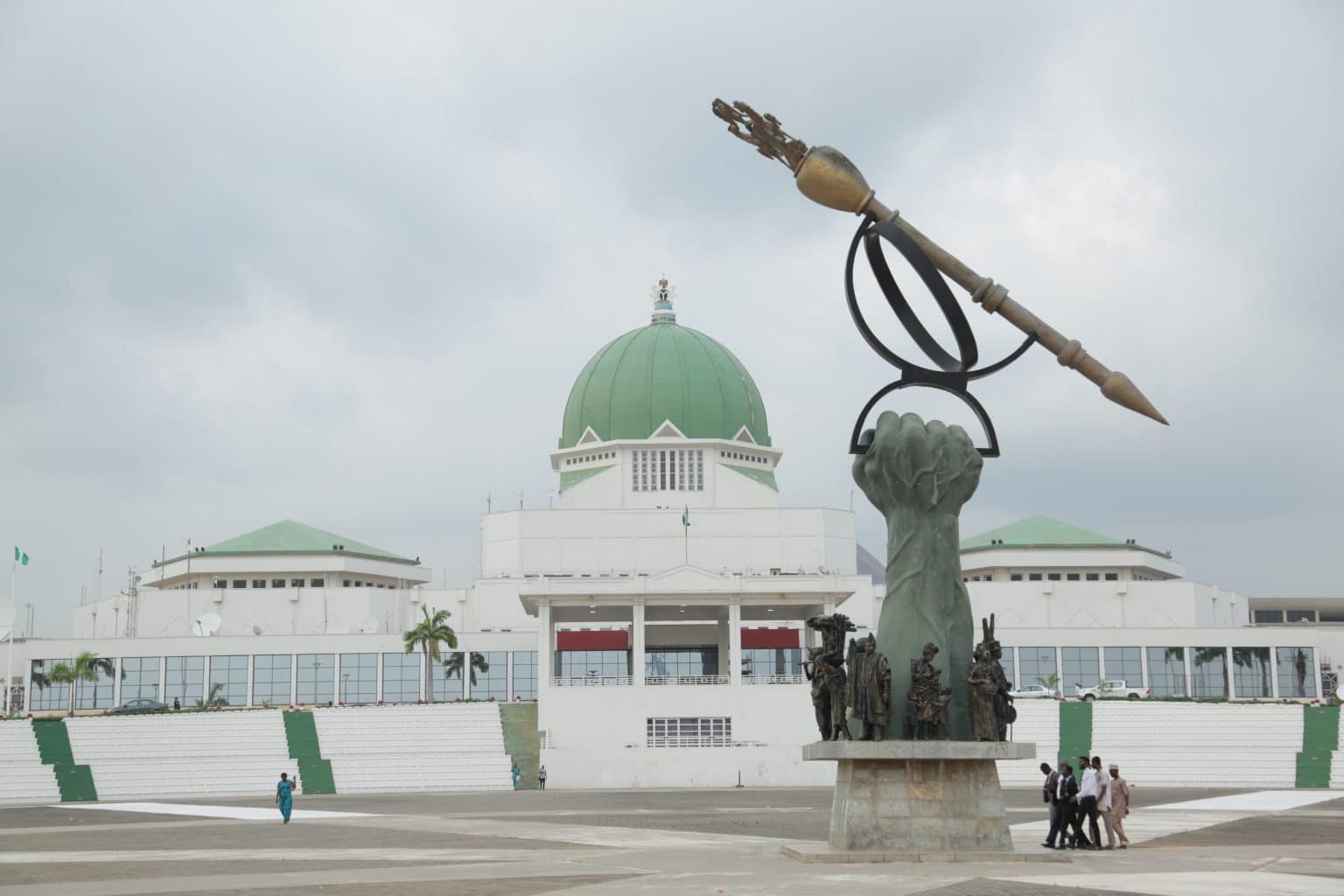
The National Assembly is set to begin deliberations and voting on 44 proposed bills aimed at altering the Constitution, targeting sweeping reforms across key sectors such as elections, the judiciary, state policing, devolution of powers, and local government administration.
Other areas captured by the amendments include inclusive governance, traditional institutions, fiscal federalism, citizenship and indigeneship, as well as the protection of fundamental human rights.
For years, pressure has mounted for a far-reaching overhaul of Nigeria’s political and administrative structure, with reform advocates calling for greater powers to be transferred from the centre to the states and local governments.
The most recent amendment to the 1999 Constitution — its Fifth Alteration — was signed into law by former President Muhammadu Buhari on March 17, 2023, while only 16 out of several proposals were eventually adopted.
Since the start of 2025, both chambers of the National Assembly have held public consultations and stakeholder engagements to fine-tune the current proposals.
Although the House of Representatives originally fixed October 14 for voting, the exercise was later shifted, and formal debates on the bills are yet to commence.
Deputy Speaker Benjamin Kalu, who heads the Constitution Review Committee, has assured Nigerians that the entire review process will be concluded before the end of 2025.
Below is a summary of the 44 proposed constitutional amendment bills:
Local Government Reforms
-
Proposal to formally recognise local government councils as a full tier of government. The bill introduces a new method for electing council chairmen and vice-chairmen through nominations and elections by members of the council’s legislative arm, in response to complaints of excessive state government control.
-
Bill to establish the offices of State Auditors-General for Local Governments and the FCT Area Councils to strengthen financial accountability and grassroots governance.
-
Bill to rename “Okpe” and “Sapele” LGAs in Delta State as “Okpe East” and “Okpe West.”
-
Bill to change “Ibadan Central” to “Ibadan North-East” LGA in Oyo State.
-
Bill to rename Sabon Gari LGA in Kaduna State to Zaria North and modify the existing Zaria LGA to include “South.”
-
Bill to correct the name of Jaba LGA to Ham LGA in Kaduna State.
-
Bill to rename Irewole LGA of Osun State as Ikire LGA.
-
Bill to amend the name “Ibeno” in the First Schedule of the Constitution.
-
Bill to rename Aiyekire LGA as Aiyedire LGA in Ekiti State.
Inclusive Governance and Citizenship
-
Bill to grant Nigerian citizenship to foreign men married to Nigerian women, correcting the current gender imbalance which favours foreign women married to Nigerian men.
-
Bill to introduce citizenship by investment, allowing qualified foreign investors who meet defined financial or strategic investment thresholds to acquire Nigerian citizenship.
-
Bill to create special legislative seats for women, with one reserved Senate seat per state and the FCT, one reserved House of Representatives seat per state and the FCT, and three additional seats for women in every State House of Assembly.
Electoral Reforms
-
Bill to define appointment guidelines for members of State Independent Electoral Commissions and expand their powers.
-
Bill to permit independent candidates to contest in all categories of elections, from the presidency to local government councils.
-
Bill to establish the Electoral Offences Commission with powers to investigate and prosecute election-related crimes.
Strengthening of Public Institutions
-
Bill to expand membership of the Federal Civil Service Commission to ensure representation for every state and the FCT.
-
Bill to guarantee at least one House of Assembly seat for every local government in each state.
-
Bill to separate the office of the Attorney-General from that of the Minister or Commissioner for Justice to promote independence and reduce political influence.
-
Bill to shield governors from loss of mandate due to disqualification issues involving their deputies, following court precedents such as the 2019 Bayelsa governorship case.
Security and State Policing
-
Bill to establish state and community policing structures nationwide.
-
Bill to grant financial autonomy to the Armed Forces of the Federation.
Legislative Reforms
-
Bill to formally entrench legislative bureaucracy in the Constitution.
-
Bill to stipulate clear timelines for presentation of appropriation bills before federal and state legislatures.
-
Bill to regulate the inauguration timeline for newly elected lawmakers after the formal swearing-in of the assemblies.
-
Bill to define the process for the removal of state House of Assembly presiding officers.
-
Bill to abolish transitional law-making powers previously exercised by the executive arm.
Judicial Reforms
-
Bill to ensure faster hearing and resolution of election petitions at all levels.
-
Bill to regulate and clarify the jurisdiction of the Supreme Court and the Court of Appeal.
-
Bill to allow direct funding of federal and state courts from the Federation Account through the National Judicial Council.
-
Bill to reduce the workload of the Supreme Court and refocus it as a policy court.
-
Bill to improve judicial independence through faster succession processes and safeguards against abuse of removal powers by the executive.
-
Bill to promote fairness in the composition of the National Judicial Council.
-
Bill to improve pensions and retirement packages for former judicial officers.
-
Bill to expand court jurisdictions, empower judges elevated to higher courts to complete part-heard cases, and extend the criminal jurisdiction of the Federal High Court to cover electoral offences.
Human Rights
-
Bill to clearly define acts of torture and inhuman or degrading treatment.
-
Bill to protect the rights of unborn children being carried by pregnant women sentenced to death.
-
Bill to recognise the right to a clean, safe, and healthy environment as a fundamental constitutional right.
Devolution of Powers
-
Bill to move the construction of roads beyond Trunk ‘A’ highways from the Exclusive to the Concurrent Legislative List.
-
Bill to place tourism and tourism-related matters on the Concurrent Legislative List.
-
Bill to transfer quarantine matters from the Exclusive to the Concurrent Legislative List.
Traditional Institutions
-
Bill to establish a National Council of Traditional Rulers.
-
Bill to allocate at least five percent direct funding to traditional rulers in each state.
Fiscal Reforms
-
Bill to compel all government-owned entities and agencies to submit audited annual financial reports to the Auditor-General within specified timelines.
-
Bill to mandate public access to the audit reports of both federal and state auditors-general.








FULL LIST: Godstime Iyare, Eze Okpoto, Yan Group NLBDG named among 48 individuals, groups linked to terrorism financing in Nigeria

Suspected herdsmen attack Agatu community, kill farmer

Bishop Oyedepo, Ibiyeomie to dedicate Master’s Place Dreamland City Mega Complex July 17

Nigerian govt names 48 people, groups over alleged terrorism financing

FG slashes import duties on rice, cars, drugs in new tariff policy

FG orders revocation of passports of Nigerians who renounced citizenship

‘I lost my wife, kids, then herdsmen killed my parents’ – Idoma son, Otache battles pain after losing entire family

No zoning approval yet — Benue APC

Benue Assembly approves four bills to strengthen infrastructure, others

JAMB delists 23 CBT centres in 11 states, FCT over 2026 mock UTME issues

David Mark-led ADC seeks court order to reverse INEC decision
