
Benue news
Over 3,000 displaced, 48 homes razed in Yelwata — FG

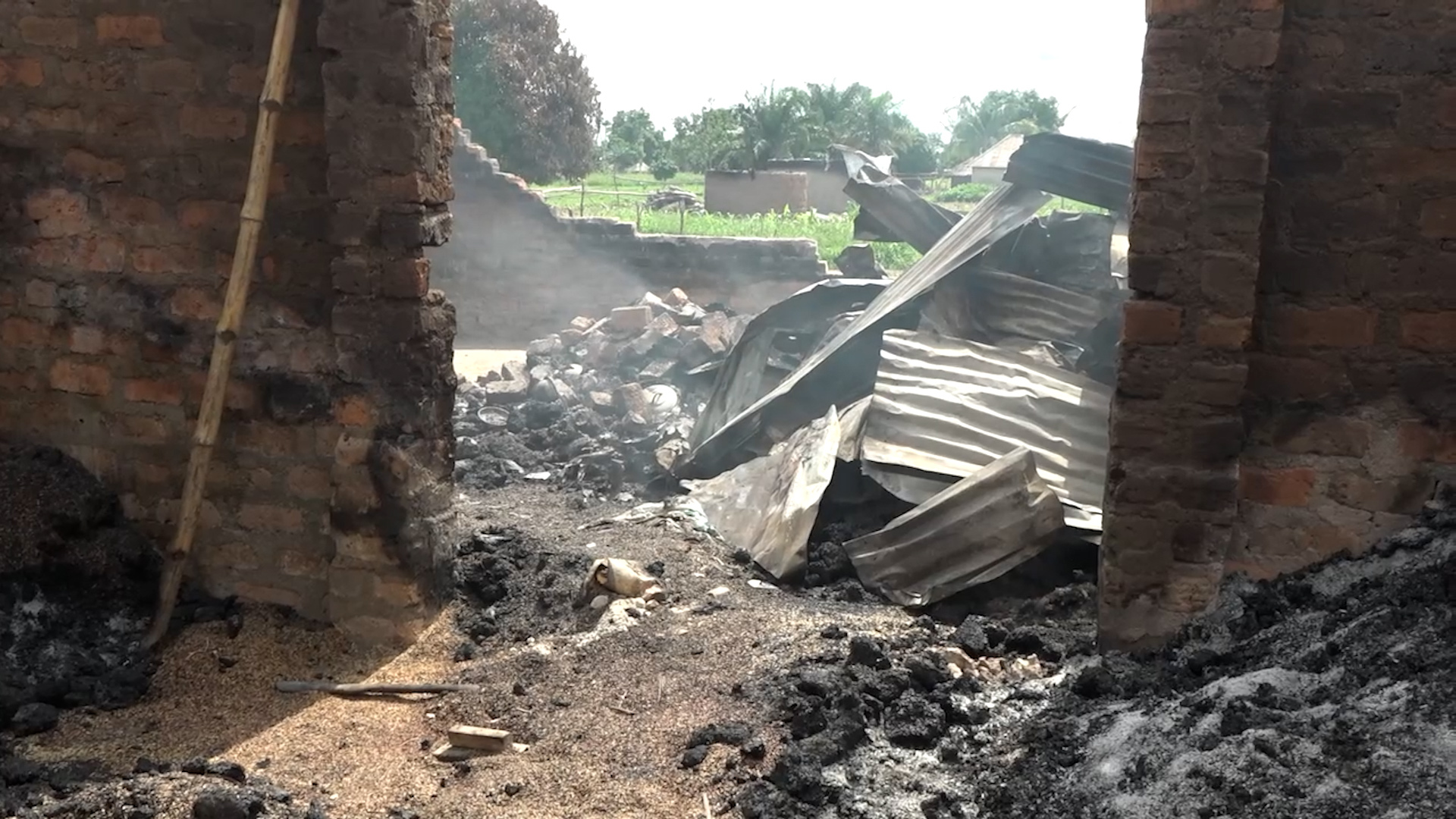
Nigeria’s Minister of Humanitarian Affairs and Poverty Alleviation, Professor Nentawe Goshwe Yilwatda, has revealed that at least 3,160 people have been displaced in the Yelwata community of Benue State following a series of recent violent attacks.
The minister made this known during an interview on Arise Television on Tuesday, describing the humanitarian situation in Yelwata as one of several urgent crises the federal government is currently addressing — including floods, insurgency, and rising child malnutrition, particularly in the northern region.
“Of recent, we had the Mokwa flood. We had the killings in Plateau and Benue. We had also the Borno crisis,” Yilwatda said.
He expressed deep concern over the increasing number of malnourished children among displaced populations, describing it as a worsening trend.
Following President Bola Tinubu’s directive after a visit to Benue, the Ministry of Humanitarian Affairs conducted a needs assessment in Yelwata to determine the scale of the crisis.
“In Yelwata, we discovered that 3,160 people were displaced in the community. About 810 children that are within school age were displaced,” he disclosed.
Yilwatda also reported extensive destruction caused by the attacks, noting that dozens of homes and businesses were affected.
“We discovered that we lost roughly about 48 homes. And then we have shops that were also attacked and destroyed, and other businesses,” he said.
The minister emphasized the need for collaborative action, stressing that the federal government cannot handle the growing number of crises across the country alone.
“We need a comprehensive action by all the partners that are required to work on it. Some of the problems cannot be solved by the federal government alone,” he stated.
He added that the ministry has been working closely with affected communities, local governments, NGOs, and international agencies to design a coordinated and sustainable intervention plan.
“We did a comprehensive assessment covering the humanitarian needs, the peace-building response plan, and we did also the long-term and durable solution for the community,” he said.



BREAKING: ADC youths give INEC 72-hour deadline, threaten nationwide protest

Fresh bodies recovered as Benue Easter attack death toll hits 11

Iran rejects US ceasefire offer, sets fresh conditions – Report

Tinubu approves N3.3trn debt settlement to boost power supply

Benue: New AIG resumes duty at Zone 4 headquarters, Makurdi

Blessing CEO, IVD deactivate social media accounts amid cancer claim backlash

Ogbadibo FA congratulates Akatekwe Warriors of Owukpa for winning Dr Ojobo Football Tournament

Benue: Dangote truck crushes pedestrian to death in Gboko
17 feared dead as gunmen attack Benue community on Easter Sunday
Benue woman gives nirth to twins in bush while heading to clinic

Ex-Benue LG chairman dies four days after losing wife
