
Latest News
BREAKING: US Supreme Court Strikes Down Trump’s Order on Birthright Citizenship

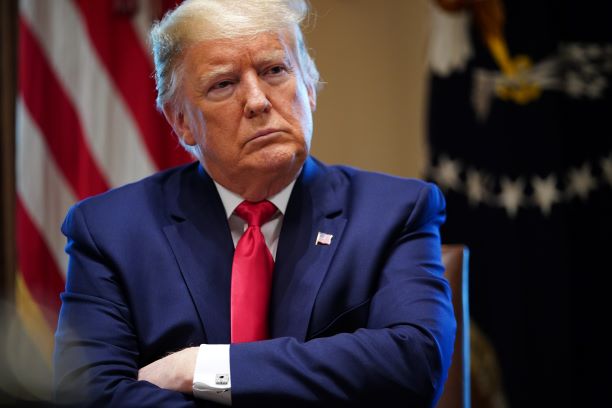
The United States Supreme Court has dealt a significant legal setback to President Donald Trump by invalidating his executive order seeking to end automatic birthright citizenship for children born in the country to undocumented immigrants and certain temporary visa holders.
In a 6-3 ruling delivered on Tuesday, the court upheld the constitutional guarantee of birthright citizenship, affirming that children born on U.S. soil are citizens regardless of their parents’ immigration status.
The judgment marks one of the most consequential legal defeats for Trump’s immigration agenda since returning to office and preserves a constitutional doctrine that has existed for more than a century.
Writing for the majority, Chief Justice John Roberts said the Citizenship Clause of the 14th Amendment unequivocally protects the right to citizenship for every child born in the United States.
He noted that the amendment was adopted in the aftermath of the American Civil War to establish the citizenship of formerly enslaved people and to ensure equal protection under the Constitution.
“Citizenship, then and now, was the right to have rights,” Roberts wrote, adding that the framers intended the amendment to extend that protection to “every free-born person in this land.”
Trump signed the executive order on his first day back in the White House in January 2025, arguing that restricting birthright citizenship would discourage illegal immigration and prevent what his administration described as abuse of the immigration system.
The order was immediately challenged by several Democratic-led states, civil rights organisations and immigrant advocacy groups, which argued that it violated the 14th Amendment.
Federal district and appellate courts had previously blocked the directive from taking effect before the case reached the nation’s highest court.
The Supreme Court also reaffirmed its landmark 1898 decision in United States v. Wong Kim Ark, which established that individuals born in the United States are citizens regardless of their parents’ nationality or immigration status, with limited exceptions such as children of foreign diplomats.



Gov Adeleke has taken Osun backwards —Basiru

Osun poll: God has anointed Gov Adeleke for re-election — Primate Ayodele

‘God gave me that niche’ – Patience Ozokwor on why she plays witches, wicked roles in Nollywood

Osun guber: Accord factional chairman predicts Adeleke’s defeat

Police mourn as 10 officers killed in gun battle with bandits in Kebbi

Stop taking victims’ bodies to Och’Idoma’s Palace — ICUK President Obande tells Idoma youths

NDLEA: Italy-Based businessman excretes 98 wraps of cocaine after arrest at Enugu airport

Herdsmen attacks: ‘Idoma land is a wounded traveller’ — Abba Moro

2027: No deal with Ortom, Akume to back Atiku — Aondoakaa

One year after: Iwodi pays tribute to Audu Ogbeh, says his legacy lives on

Idoma Community in United Kingdom Honours Dr Austin Entonu
