
Benue news
Herdsmen attacks: Benue victims have been left to die in silence – US Missionary Alex Barbir

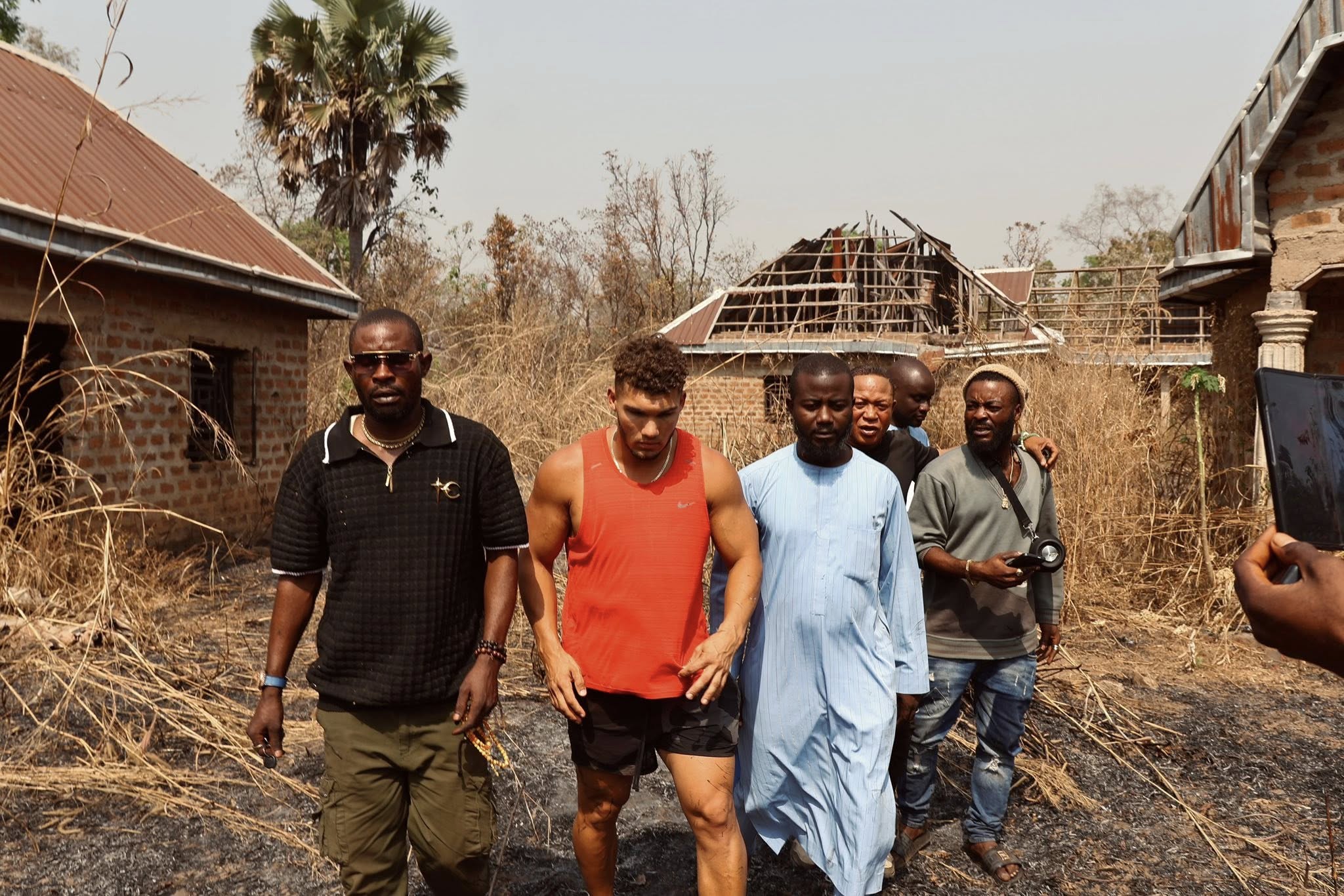
American missionary and humanitarian worker Alex Barbir has recounted what he described as the horrors he witnessed in Benue and Plateau states, alleging that Nigerian security agencies attempted to downplay deadly attacks despite evidence of mass killings.
Speaking during an address at the Capitol, Barbir said his experiences in Nigeria transformed him from a missionary into an advocate for victims of violence, particularly in Benue’s Yelwata community.
According to him, he travelled to Nigeria after learning about persistent attacks on rural communities and was shocked by what he encountered on the ground.
“I came here as a missionary. I came here as a witness who’s been on the ground,” he said, adding that he visited communities many people were afraid to enter because of recurring attacks.
Barbir claimed that during a recent visit to a mortuary in Kuru, Plateau State, police officers attempted to prevent him from documenting victims of an attack.
“The police told me there was no attack. They said nothing happened and I should leave. But when I entered, I saw young men with bullet holes across their bodies, blood stains everywhere and families crying over their loved ones,” he alleged.
The missionary said similar experiences in Benue convinced him that victims of attacks had “been left to die in silence.”
Referring to the June 2025 Yelwata massacre in Benue State, Barbir questioned official accounts of the incident, claiming that senior officials had significantly understated the number of people killed.
He alleged that while some officials suggested only a few dozen people died, a memorial erected by the affected community listed nearly 300 victims.
“They told me only about 30 people were killed in Yelwata. But I already knew the truth. The monument carries almost 300 names,” he claimed.
Barbir also criticised descriptions of the attacks as ordinary farmer-herder clashes, insisting they should instead be recognised as terrorism.
“They’re not bandits. They’re not herders. They are terrorists,” he said.
He further alleged that authorities had failed to adequately protect vulnerable communities and accused some officials of concealing the scale of the violence.
Barbir said witnessing grieving families, burned homes and mass burials motivated him to fund the rebuilding of affected communities.
“If nobody else would help them, I would. I could not see these things happen and remain silent,” he said.
The missionary’s remarks come amid continuing debate over the nature of violent attacks in Benue and other parts of Nigeria’s Middle Belt. Nigerian authorities have consistently maintained that they are working to address insecurity, while different stakeholders have offered varying interpretations of the causes of the violence.




I started casting out demons at 17 — Gov Okpebholo

Muslim-muslim ticket could trigger religious crisis — Ayodele Warns Tinubu

Best Diplomats appoints Benue-born Gloria Uko as Nigeria Country Representative

Yilwatda: subsidy return could worsen poverty in North

Nigeria’s debt hits N166.79tn, each citizen owes N716,822 — Atiku

2027 election: INEC sets october 9 for PVC collection

10 rescued as JTF foils abduction attempts in Zamfara

Troops recover 800 cattle suspectedly rustled by terrorists in Plateau

Police arrest 33-year-old woman over alleged killing of co-wife in Bauchi

Court orders NMDPRA to renew import licences for Matrix Energy, AA Rano, AYM Shafa

Fire destroys property worth millions at customs office in Lagos
