
Nigeria News
Naira crashes massively against dollar, See new exchange rate

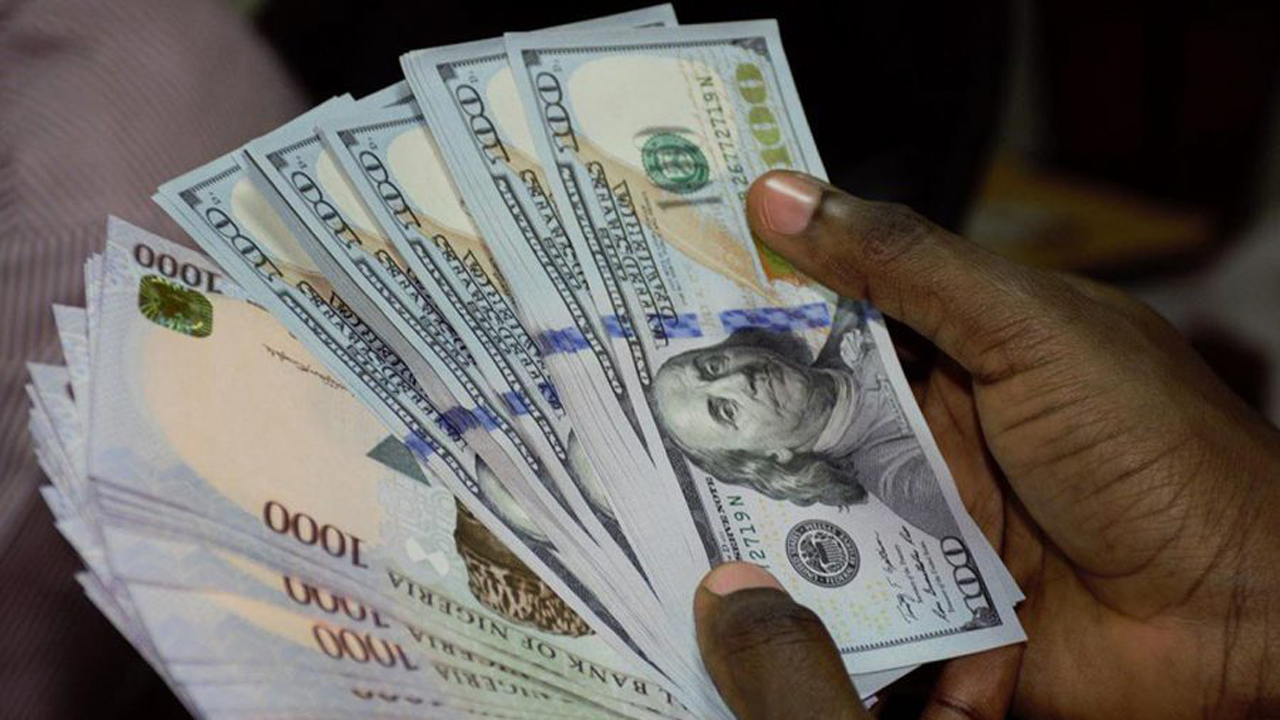
The Nigerian Naira weakened to ₦1,475.35 per US dollar on Friday at the official foreign exchange market, marking a 0.29 percent decline from Thursday’s rate of ₦1,471.02, according to data from the Central Bank of Nigeria (CBN).
The depreciation capped a volatile trading week in which the currency briefly strengthened by 0.15 percent on Thursday before resuming its downward trend. Persistent demand pressures and limited dollar liquidity continued to weigh on the market.
Over the week of October 13–17, 2025, the Naira recorded a gradual but consistent decline. It opened at ₦1,457.51 on Monday, slipped to ₦1,463.23 on Tuesday, and further to ₦1,473.29 on Wednesday. Thursday’s short-lived rebound brought the rate to ₦1,471.02, before Friday’s drop to ₦1,475.35 — a net weekly loss of ₦17.84.
Analysts attribute the Naira’s persistent volatility to foreign exchange supply constraints and heightened market demand, compounded by structural economic challenges. Reduced oil revenues, robust import demand, and speculative trading have constrained dollar inflows, intensifying market pressure.
Despite CBN’s interventions — including targeted dollar sales to Bureau de Change (BDC) operators — liquidity remains insufficient to meet market demand. Analysts note that these measures have provided only temporary relief, failing to fully stabilize the exchange rate.
The Naira’s depreciation mirrors broader macroeconomic strains, with inflation and foreign exchange shortages continuing to challenge Nigeria’s economic stability. As of October 2025, Nigeria’s foreign reserves stood at around $42.1 billion, but significant outflows for imports and debt servicing have limited the CBN’s capacity to defend the currency.
Meanwhile, the parallel market reflects deeper concerns, with exchange rates reportedly exceeding ₦1,600 per dollar, underscoring the widening gap between official and unofficial markets and the sustained strain on Nigeria’s foreign exchange framework.





BREAKING: Court discharges, acquits Abba Kyari over alleged asset non-declaration

NDLEA arrests wanted drug lord Uzoma Ilomuanya after 15 years on the run

Idoma Hall of Fame: Advisory board approves criteria for first inductees

Centenary celebration: Idoma not 100 years old – Ochetoha K’Idoma President, Yakubu ochefu

Benue: Pressure mounts on Gov Alia to dump APC

FG approves six-year ban on new universities, other tertiary institutions

10 things to know from Nigerian newspapers, Thursday, March 5, 2026

BREAKING: No World Cup for Nigeria as FIFA confirms DR Congo for intercontinental play-offs

Benue: Gov Alia vows to restore peace in Sankera axis

Adeyanju slams Dangote Refinery over sudden fuel price hike, calls it exploitative

2027: Adaje’s candidacy answer to Enone’s quest for effective representation — Campaign Organisation
