
idoma news
Okanga and the Enone People: A Bond Forged in Trust and Transformation

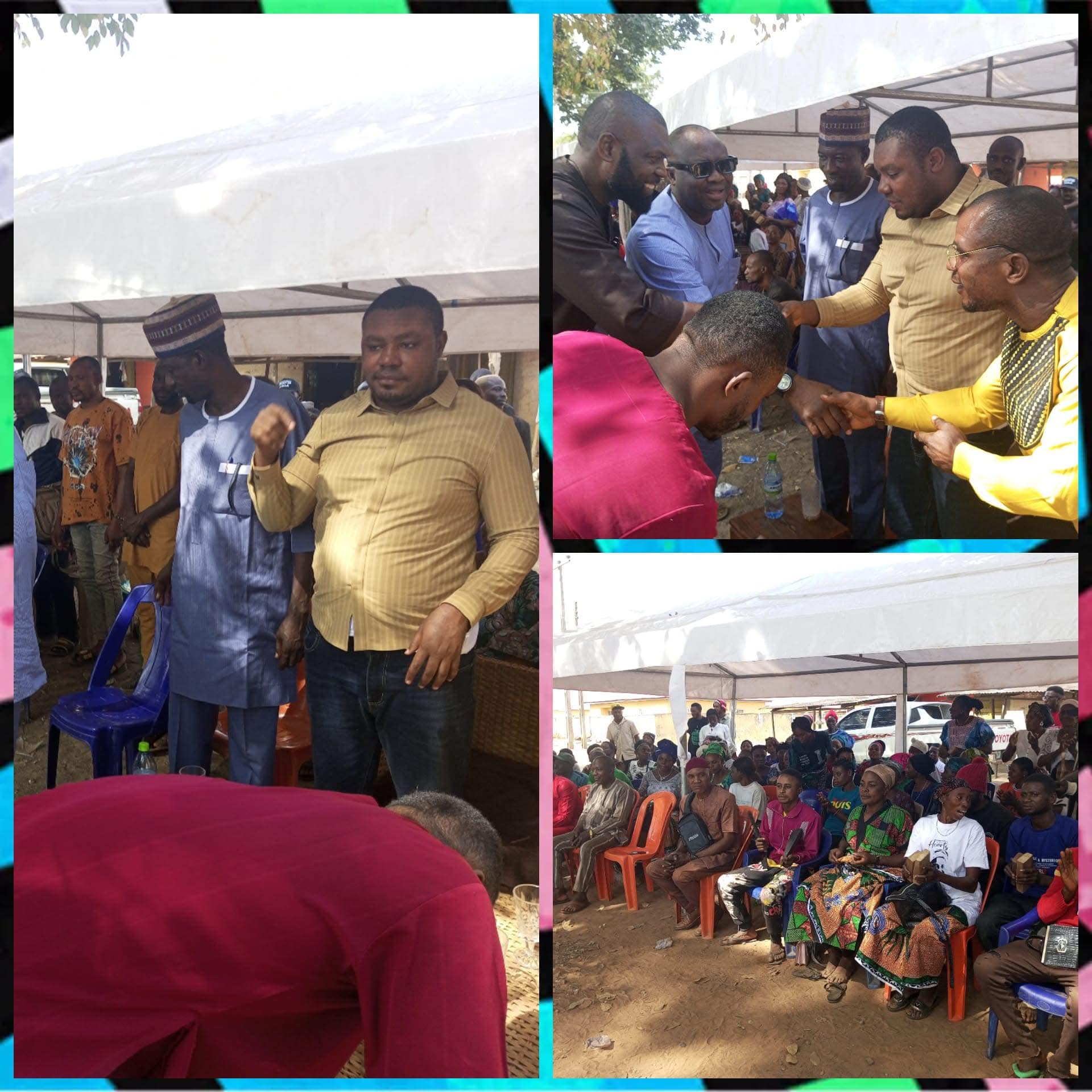
When a leader genuinely knows and relates to the people they serve, a rare chemistry emerges—one that transcends politics and becomes something deeper and more meaningful. This is the story of Chief Philip Agbese and the Enone people. Their connection is built on trust, tangible progress, and mutual respect—not the conventional, transactional relationship between a politician and constituents. While many leaders today remain distant figures, Okanga has stayed closely anchored among his people. He listens to their hardships, celebrates their successes, and walks with them on the path to a better future.
From the outset, Okanga’s style of governance has been guided by one basic principle: the people come first. Unlike leaders who vanish after elections, he has maintained an open-door policy, holding regular community forums, town hall meetings, and informal visits to villages across Ado, Okpokwu, and Ogbadibo. He listens—truly listens—not just hears. Okanga tackles the people’s problems not as abstract policy matters but as personal priorities. This openness has earned him trust, a currency far more valuable than votes.
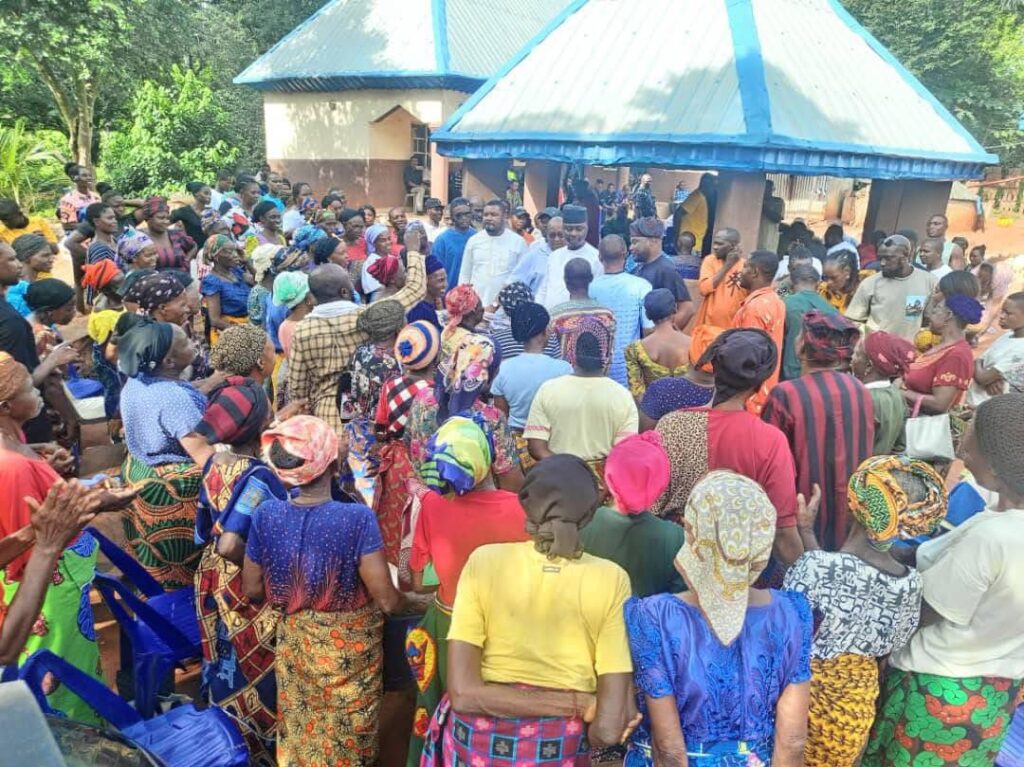
Trust, however, is only as strong as the actions that sustain it. Okanga has ensured that the people of Enone both experience and feel the impact of his leadership by consistently backing his words with tangible outcomes. Schools once in disrepair now nurture young minds. Clinics once understaffed now provide quality healthcare. These are more than infrastructure projects—they are lifelines that have restored dignity and renewed opportunities for thousands.
Beyond bricks and mortar, Okanga’s most profound contribution to Enone is the belief that progress is possible, that government can serve its people, and that a better future is within reach.
What truly sets Okanga apart is his unwavering commitment to inclusiveness. His leadership extends beyond political allies or urban centers to reach the marginalized: rural farmers, struggling artisans, women, and youths who have long been neglected. Through numerous initiatives, he has ensured that no one is left behind.
The people of Enone have responded to this sincere concern with deep loyalty. Their support for Okanga is not borne out of blind allegiance, but a conscious choice to stand with a leader who has consistently stood with them. As they often say, “Okanga is different.” You hear it in markets, churches, and village squares—he is one of them.
In many constituencies, the bond between leaders and the people is fragile, easily broken by unmet promises. In Enone, however, Okanga’s relationship with his people is far more enduring: a pact grounded in mutual respect and shared progress. He sees them not as mere voters, but as partners in development. Likewise, they see him not as a distant authority figure, but as a brother, a champion, and a dependable custodian of their collective hopes.
The story of Okanga and Enone serves as a powerful reminder of what governance ought to be: a sacred bond between leader and people, anchored in service, accountability, and a shared vision. While many regions wrestle with disconnection and discontent, Enone stands as proof of the transformative power of leadership that truly cares.














JAMB delists 23 CBT centres in 11 states, FCT over 2026 mock UTME issues

David Mark-led ADC seeks court order to reverse INEC decision

Egypt goalkeeper El-Shenawy gets four-match ban after referee clash

Germany opens scholarship applications for African graduates, postgraduates

Lawmaker accuses gov Alia of inaction as herdsmen kill Benue residents, destroy farms

Suspected herdsmen raze school, destroy seed yams in fresh Benue attack

2027: ADC ‘disqualifies’ Atiku, Peter Obi, Olofu, others

DHQ confirms casualties in Borno Military Base attack

Benue: Rainstorm wrecks churches, schools, residential properties in Ukum

Gov Alia treats residents to free meals at popular Makurdi restaurants

Three Benue APC youth leaders killed in auto crash on way to congress laid to rest
