
Politics
Why I stepped back from politics — Goodluck Jonathan

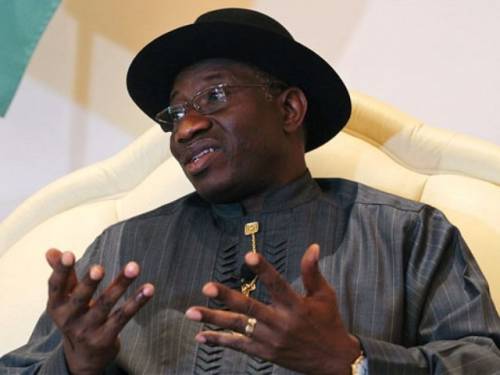
Former President Goodluck Jonathan has attributed his withdrawal from partisan politics to his role in the West African Elders Forum (WAEF).
Jonathan, speaking in Abuja on Thursday during an event commemorating the 10th anniversary of the Goodluck Jonathan Foundation (GJF), said his membership in the forum requires him to maintain political neutrality.
The celebration, themed “Legacy of Impact, Celebrating Our Journey,” also doubled as a dinner to mark his 68th birthday.
He explained that WAEF operates as a preventive diplomacy group made up of former leaders from the West African region who intervene in countries during election periods to defuse tensions before they escalate.
“The idea is, yes, we observe the elections, but we are not co-observers,” he clarified. “We go there to make sure that if we notice anything negative emerging, we intervene…so that those issues do not snowball into a full crisis.”
According to him, only former presidents within the region and past ECOWAS leaders can belong to the forum, and the core requirement is stepping away from active politics.
“One clear condition is that you will no longer be an active politician, and that is why I am disappointing most of my political associates,” he said. “They expect me to play an active role in politics, but before I do, I must first resign from the WAEF.”
Jonathan also commented on Nigeria’s political climate, condemning what he described as the growing “rascality” in governance.
He urged politicians to embrace discipline and professionalism, noting that unlike other occupations that require training, politics allows individuals without preparation to assume leadership.
“We must change the face of politics. We must see politics as a business of responsible individuals, not a business of rascals that they play in the motor park,” he remarked.
He expressed sorrow over the recent abduction of schoolgirls in Kebbi State, comparing it to the Chibok girls’ kidnapping during his administration.
Jonathan sympathized with the affected families and prayed for the safe return of the abducted students and an end to recurring violence.
Reflecting on the origins of his foundation, the former president revealed that business mogul Tony Elumelu advised him to venture into advocacy work after the 2015 elections.
He initially considered tackling broad issues like education and poverty, but was later guided to focus on democracy a field where he already had strong global recognition due to his concessions and reforms.
Despite his personal background in environmental studies and the Niger Delta, he chose to leave environmental activism to others and channel the foundation’s mission toward democratic governance.
GJF Executive Director, Ann Iyonu, described the celebration as a period of reflection on a decade of championing inclusive democracy, peace, and development across the continent. She said the foundation has worked with partners to promote equity, strengthen institutions, and push for progressive reforms.
She stated their election mediation and observation missions, as well as policy engagements that drive change. Notably, the annual Democracy Dialogue launched in 2021 has become a key platform for discussing democratic challenges.
“This year in Accra, we gathered under the theme, ‘Why Democracies Die,’ a timely inquiry into the structural and systemic factors undermining democratic resilience in Africa and globally,” Iyonu noted.
She added that the foundation has contributed to peaceful transitions of power, enhanced citizen trust in governance, and helped counter violent extremism both online and offline while amplifying Africa’s voice through global alliances.
(NAN)









Raphinha injury is a shame – Barcelona president

INEC spoils David Mark’s homecoming party, axes ex-Senate President as ADC National Chairman

BREAKING: We will no longer recognise David Mark as ADC chairman – INEC

BREAKING: Court sends Blord to Kuje prison over alleged impersonation of VeryDarkMan

Benue: 11 schoolgirls expelled after attack on female student

Panic in Jos as violence returns hours after curfew ease

BREAKING: DSS detains El-Rufai again; bail application ruling scheduled for April 14

EFCC arrests popular Abuja property agent, Hajia Adama Ahmed Adamu over alleged N288m fraud

Polaris Bank Strengthens Legacy of Excellence with Major Renovation of Historic Faculty Building at University of Ibadan

When 8 million Customers Trust You, Safety Cannot Be an Afterthought

Benue 2027: I have no governorship ambition — Philip Agbese after defecting to Labour Party
