
Nigeria News
Why Igbo youths are rejecting recruitment in military agencies – Igbo Women Assembly

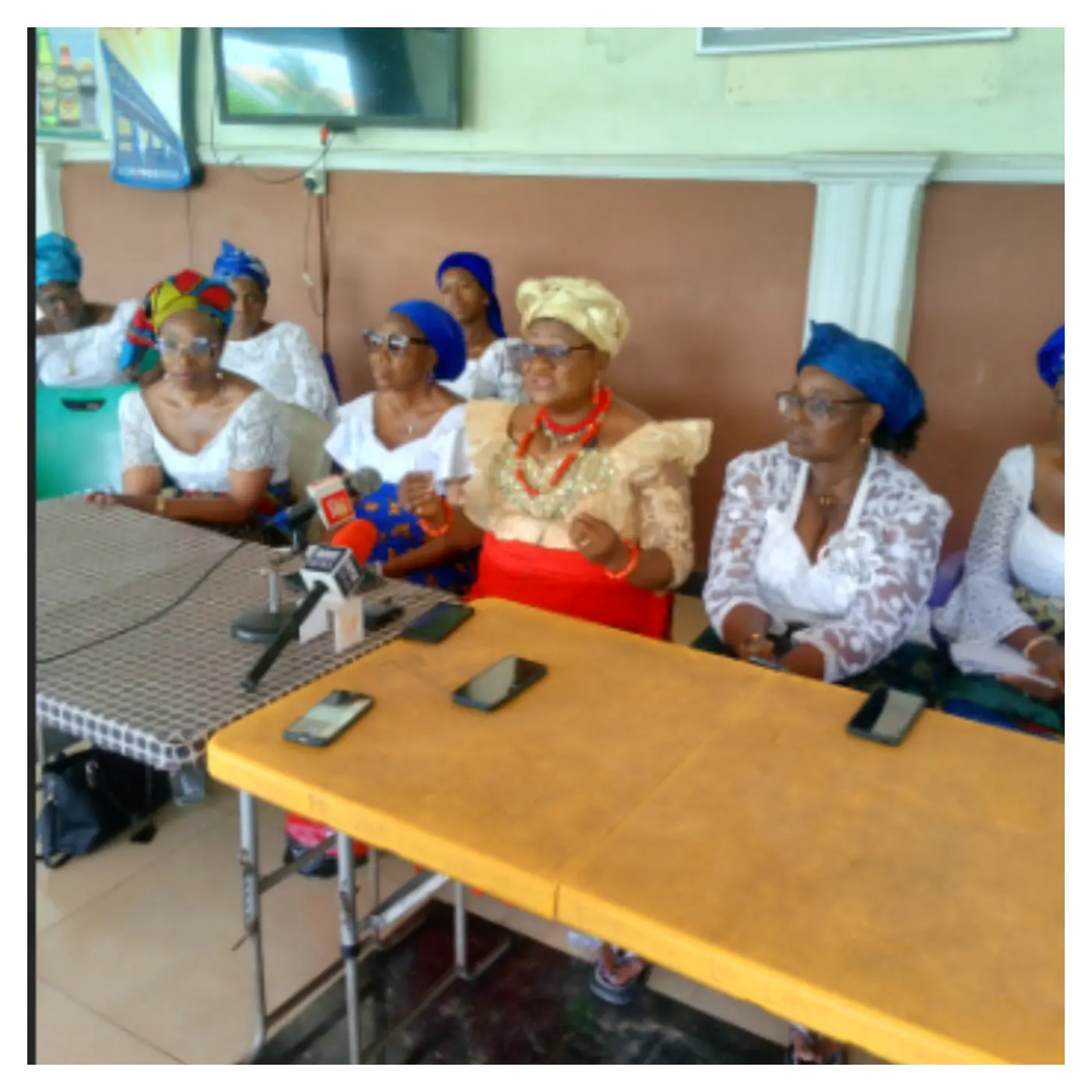
Nneka Chimezie, the National President of the Igbo Women Assembly (IWA), has attributed the declining interest in military recruitment among Igbo youths to alleged marginalization of the Igbo people in Nigeria, as well as the delayed promotions of Igbo officers in the military.
Chimezie argued that the Igbo have been consistently sidelined in key national appointments and noted that the region has yet to produce a president since the 1966 coup that led to the death of General Aguiyi Ironsi.
Her comments were in response to recent statements made by the Chief of Defence Staff, General Christopher Musa, regarding the security situation in the South East.
Chimezie explained: “Igbo officers have been denied their rightful promotions, especially those in the security agencies. This is a significant reason why Igbo youths are losing interest in military recruitment.”
She further claimed that many Igbo youths avoid joining the military and police due to the perceived lack of promotion opportunities, particularly when compared to their counterparts from other regions.
“In other federal establishments, the situation is similar. The South East quota is often shortchanged,” she added.
“These are the reasons why young people are protesting. When they graduate, like their peers from other regions, they don’t have equal employment opportunities. They feel excluded from the Nigerian structure and believe they are unjustly overlooked.”
Chimezie emphasized that Igbo youths seek inclusion and full integration into the Nigerian system. She also affirmed that the Igbo Women Assembly would no longer remain silent on the struggles of Igbo youths.
In addition, Chimezie criticized the high number of security checkpoints in the South East, alleging rampant extortion at these points. She also lamented that many Igbo youths had been forced to migrate from their homes due to fears of insecurity.
Chimezie called on the federal government to engage in dialogue with members of the Indigenous People of Biafra (IPOB), suggesting that, just as repentant Boko Haram members were given amnesty, there should be no objection to opening a conversation with IPOB to address their grievances.







BREAKING: Security operatives raid Malami’s residence after visit by Atiku

Tinubu’s loyalist, MC Oluomo sacked as NURTW national chairman, Baruwa faction takes over secretariat

Many dead as Boko terrorists hit Woro in Kwara

Terrorists bomb bridge in Niger to disrupt military operations

Philip Agbese’s defection: Tsunami hits ADC in Benue South as Ochube, others dump party

Benue 2027: ‘Rice, salt not democracy’ — Dickson Akoh urges voters to reject transactional politics

We met a broken Benue State, we’re fixing it — Gov Alia

Benue: Nine jailed over kidnap of worshippers in Ado church attack

2027: Akume cannot determine my fate — Alia

Enone 2027: Inalegwu Ejembi Adaje intensifies consultations, woos ADC stakeholders in Okpokwu

Gen. Garuba, Lawani, Agbese, Ojebo, Adejoh, Others Celebrate Friday Iwodi, Twin Sister At Birthday, Housewarming In Abuja
