
Benue news
Why it’s hard for Idomas to produce Benue governor – Senator Titus Zam

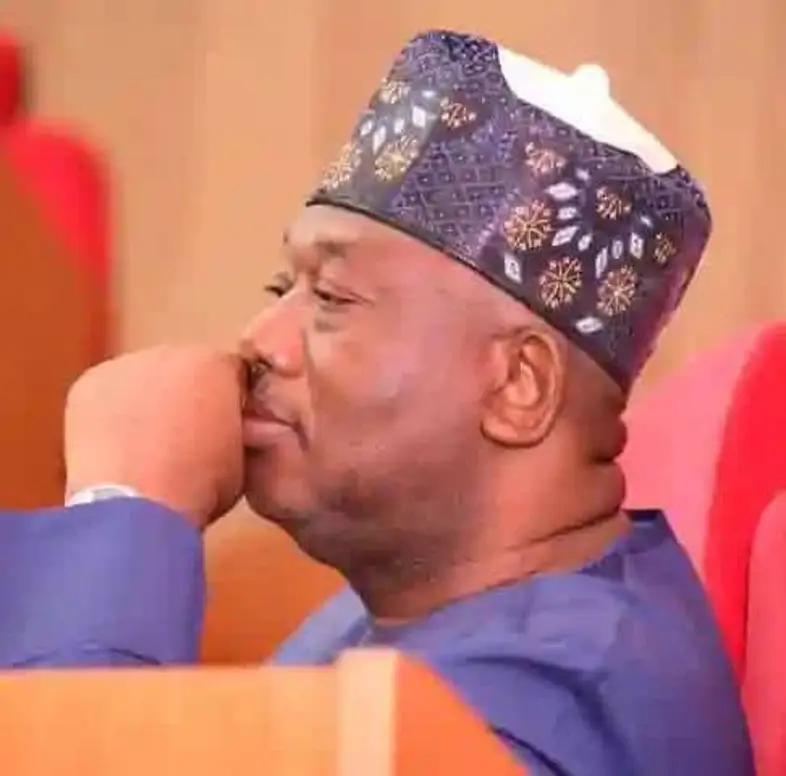
The lawmaker representing Benue North-West Senatorial District, Senator Titus Zam, has explained why it has been difficult for the Idoma ethnic group to produce a governor of Benue State since its creation in 1976.
Speaking during an interview on Arise Television’s Morning Show, Zam said the challenge is largely rooted in the nature and character of Nigeria’s democratic system, which, according to him, favours numerical majority.
The senator made the remarks while reacting to discussions surrounding the 50th anniversary of Benue State, marked on February 3, 2026.
Zam noted that while the Idoma people have not had the opportunity to occupy the governorship seat, the situation should not be viewed solely as deliberate exclusion but as a product of a liberal representative democracy that places advantage in numbers.
“This liberal representative model of democracy confers a lot of advantage on the majority, and it becomes a problem when a particular majority ethnic group deploys its numerical strength,” he said.
According to the lawmaker, the Tiv ethnic group constitutes about 75 per cent of Benue’s population, giving it a dominant influence over electoral outcomes in the state.
“So, it is true that the Tiv people, who constitute about 75 per cent of the population of Benue State, dominate the political space. Unless there is a conscious elite consensus to concede power to the Idomas, it is almost impossible within the nature and character of the democracy we practise for other ethnic groups to produce the governor,” Zam stated.
He, however, stressed that governance in the state should not be reduced solely to the office of the governor, noting that the Idoma people have occupied key positions in Benue’s political history.
Zam pointed out that Idomas have served as Deputy Governor—the number two position in the state—and have also held the office of Secretary to the State Government at different times.
He urged for a broader understanding of inclusion and participation in governance, adding that meaningful contributions to state development can be made beyond the governorship position.



2027: Iyabo Obasanjo meets Tinubu, declares Ogun governorship ambition

OccupyINEC: Atiku, Obi, David Mark, others storm ADC protest over INEC actions

BREAKING: Vehicles trapped in traffic as rainstorm damages Kugbo Bus Terminal in Abuja

Turkey: Wilfred Ndidi faces one-game suspension

Displaced man allegedly takes own life in Jato Aka, Benue

Benue: Suspected herdsmen kill Mother, three sons in Guma

Nigerian govt expels controversial American missionary Alex Barber

Heaven won’t fall if ADC, PDP miss ballot – Lagos APC

Protect Benue residents or step down – APC guber aspirant tells Alia

BREAKING: ADC youths give INEC 72-hour deadline, threaten nationwide protest

Fresh bodies recovered as Benue Easter attack death toll hits 11
