
Benue news
Thirst amid displacement: The water, sanitation and hygiene crisis in Benue IDP camps

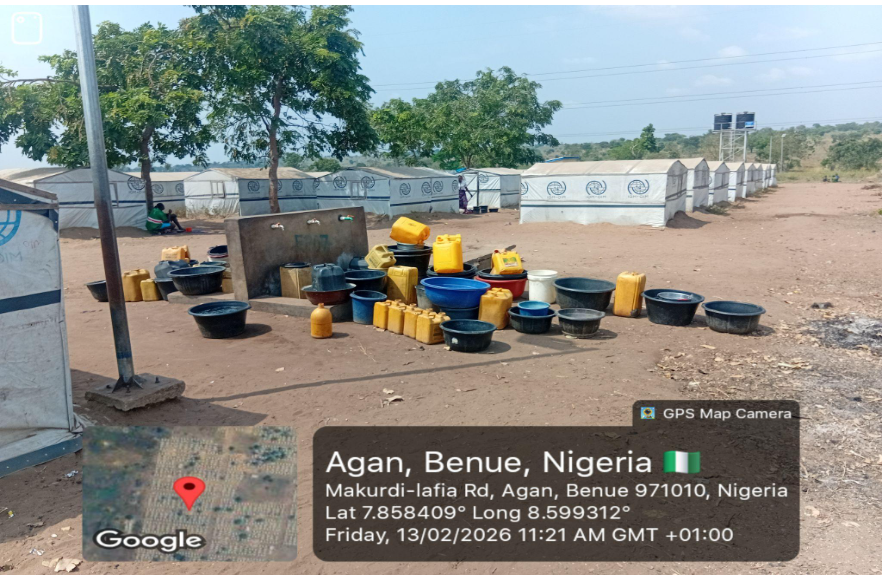
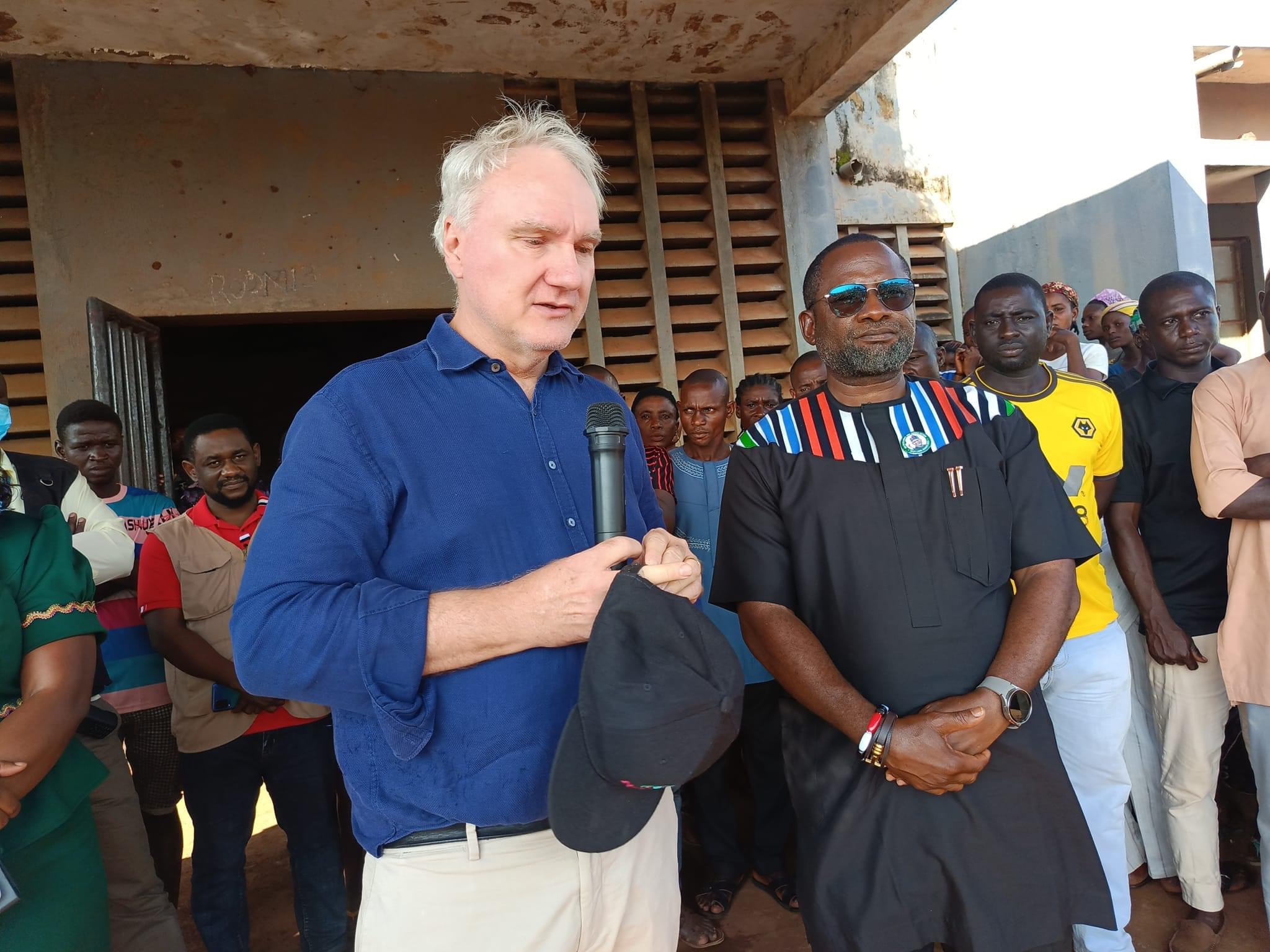
For thousands of internally displaced persons (IDPs) in Benue State, survival extends far beyond escaping violence. Every day begins with another struggle—for clean water, safe toilets and basic hygiene.
Children queue with buckets before sunrise, women walk long distances in search of potable water, while overcrowded camps grapple with inadequate sanitation facilities. In these temporary shelters, access to Water, Sanitation and Hygiene (WASH) has become as critical as food and security.
Benue, often referred to as Nigeria’s “Food Basket,” has witnessed repeated waves of displacement due to persistent attacks on farming communities. Families forced from their ancestral homes now live in camps scattered across Makurdi, Guma, Logo, Agatu, Kwande and other affected local government areas. While humanitarian agencies continue to provide support, growing populations and limited resources have placed enormous pressure on existing WASH facilities.
Access to safe drinking water remains one of the greatest challenges in many IDP camps.
Where boreholes exist, long queues often form from the early hours of the morning. In camps with limited water points, residents ration every litre for drinking, cooking and washing. During periods of increased demand or equipment failure, some families resort to unsafe water sources, exposing themselves to waterborne diseases.
For mothers raising young children, inadequate water means difficult choices between cooking meals, bathing children or maintaining household hygiene.
Health workers warn that contaminated water significantly increases the risk of cholera, diarrhoea, typhoid fever and other infectious diseases, particularly during the rainy season when flooding contaminates water sources. Humanitarian partners have consistently identified the rehabilitation and maintenance of WASH infrastructure in displacement camps as an urgent priority.
Sanitation remains another pressing concern.
Many camps struggle with insufficient toilets for growing populations, while poor drainage systems create stagnant water that encourages the spread of disease-carrying mosquitoes.
Women, girls, older persons and persons living with disabilities are often the most affected. Inadequate sanitation facilities reduce privacy and dignity while increasing protection risks, particularly at night.
Children are equally vulnerable. Poor sanitation contributes to repeated outbreaks of diarrhoeal diseases, one of the leading causes of illness among displaced children.
Humanitarian experts note that overcrowding, limited sanitation facilities and poor waste management remain common challenges across many displacement settings in Benue.
Good hygiene is often the cheapest and most effective public health intervention, yet it becomes difficult where water and sanitation facilities are inadequate.
Regular handwashing with soap, safe water storage, proper waste disposal and menstrual hygiene management are essential in preventing disease outbreaks. However, many displaced families cannot consistently access soap, water treatment products or hygiene materials.
Humanitarian organisations continue to conduct hygiene promotion campaigns, teaching residents proper handwashing techniques, food safety and environmental cleanliness. These behavioural interventions complement investments in water supply and sanitation infrastructure.
The WASH crisis affects every aspect of children’s lives.
Poor sanitation leads to illness, causing children to miss school and weakening their nutritional status. Girls face additional challenges where schools or camps lack private sanitation facilities for menstrual hygiene management.
Unsafe living conditions also expose children to preventable diseases that can have long-term effects on their growth and development.
The Benue State Government, in collaboration with humanitarian agencies, continues to strengthen emergency response through investments in water infrastructure, emergency preparedness and improved coordination. Recent initiatives include expanded emergency planning and additional water treatment capacity to support vulnerable communities.
International organisations, faith-based groups and civil society organisations have also supported the construction of boreholes, rehabilitation of water facilities, provision of hygiene kits and sanitation awareness campaigns in affected communities.
However, humanitarian assessments indicate that available resources remain insufficient to meet the growing needs of displaced populations as new displacements continue to occur.
Humanitarian experts argue that improving WASH services should not be viewed solely as emergency assistance.
Long-term investments in rural water systems, sanitation infrastructure, community hygiene education and durable housing will become increasingly important as displaced families begin rebuilding their lives.
For many families in Benue’s IDP camps, access to clean water is more than a humanitarian service—it represents dignity, health and hope.
Until every displaced child can drink safely, every mother can access clean sanitation facilities and every family can practise good hygiene without fear of disease, the humanitarian response remains incomplete.
Water, sanitation and hygiene are not luxuries. They are fundamental human rights—and for the thousands displaced across Benue State, they remain essential to survival and recovery.






Everything is open’ – Jorge Jesus speaks on Ronaldo return

‘Benue South can become global carbohydrate hub’ – Green Harvest Foodstuff founder, Apeh

Green Harvest Foodstuff: Obla visits Otukpo cassava factory, hails CEO Joshua Apeh

2027: Poll places Joy Okpainmo of NDP ahead in Apa/Agatu

Instagram is for girls – Elon Musk again

Sowore challenges DSS DG to honour subpoena, appear in court

Oyo govt condemns abduction of corps members, seeks safe release

WAEC appoints Amos Dangut as registrar, CEO
PHOTOS: Joke Silva, sons, dignitaries attend Olu Jacobs’ funeral mass

How I killed my girlfriend after HIV dispute — Suspect

66th Independence: Tinubu worsened Nigeria’s condition to stage four cancer — Momodu
