
Nigeria News
Chief Willie Obiano: Biography of Ex-Anambra Governor

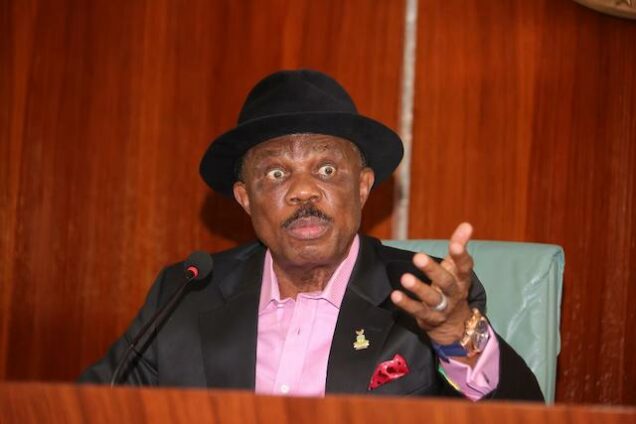
Full Name: Willie Maduabuchukwu Obiano
Date of Birth: 8 August 1955
Place of Birth: Aguleri, Anambra East LGA, Anambra State, Nigeria
Age: 70 years (as of 2025)
Nationality: Nigerian
Ethnicity: Igbo
Religion: Christian
Family:
Chief Obiano was married to Ebele Obiano and blessed with children. He was known as a devoted family man and philanthropist.
Education:
Holy Trinity Primary School, Onitsha
Christ the King College (CKC), Onitsha – won the John F. Kennedy Prize for essay writing in 1974
University of Lagos – Bachelor of Science in Accountancy (1979)
University of Lagos – Master of Business Administration (MBA) in Marketing (1993)
Professional Career:
First Bank of Nigeria (1981) – early banking career
Chevron/Texaco – Chief Internal Auditor, including international assignments in Rotterdam, Netherlands
Fidelity Bank – rose to Executive Director (2003)
Political Career:
Elected Governor of Anambra State under All Progressives Grand Alliance (APGA) in March 2014
Re-elected in 2017
Tenure ended March 2022; succeeded by Charles Soludo
Key Achievements as Governor:
Constructed over 1,000 km of roads, 17 bridges, and the Anambra International Airport
Re-equipped secondary school science labs and improved teacher training
Established state health insurance scheme and improved healthcare services
Launched youth empowerment and creative economy programs
Strengthened security architecture across Anambra State
Controversies:
After leaving office, Obiano came under scrutiny by the Economic and Financial Crimes Commission (EFCC) over alleged financial mismanagement and irregularities during his tenure.
Some critics accused his administration of prioritizing grand infrastructure projects while neglecting other social sectors, though his supporters defend the long-term impact of his initiatives.
Despite scrutiny, Obiano maintains a reputation as a technocrat whose governance style was rooted in finance and management expertise.
Legacy:
Chief Willie Obiano is remembered as a visionary leader, technocrat, and public servant, dedicated to infrastructure, education, healthcare, and economic development. His administration left a lasting mark on Anambra State, balancing ambitious development projects with youth and human capital initiatives, though not without controversy.



BREAKING: Police arraign alleged fake agency DG, Adeniyi Adeyemi

‘I am here, more than ever’ — Guardiola sends message to Man City fans

Nigerians must be free to criticise govt policies if they hurt them — Atiku

Nigeria at 66: FG declares october 1 public holiday

Drama as staff, students rally over police attempt to arrest FUOYE VC

Two pilots injured after reported fight on Dubai-Tel Aviv Flight

Zamfara security: Army activates three new infantry battalions

Peter Obi lied recklessly over sports investment — Onanuga

As long as one Nigerian lives in IDP Camp, we are all displaced — Obi

50-year-old man sentenced to 10 years in prison for raping 11-year-old in Jigawa

OLOCHE ENTERS THE FAST LANE WITH PRO-TAXI: How An Idoma Son Conquered Real Estate — Now, He’s Moving People
