
Nigeria News
US lawmakers, Nigerian Reps hold joint sessions over rising insecurity

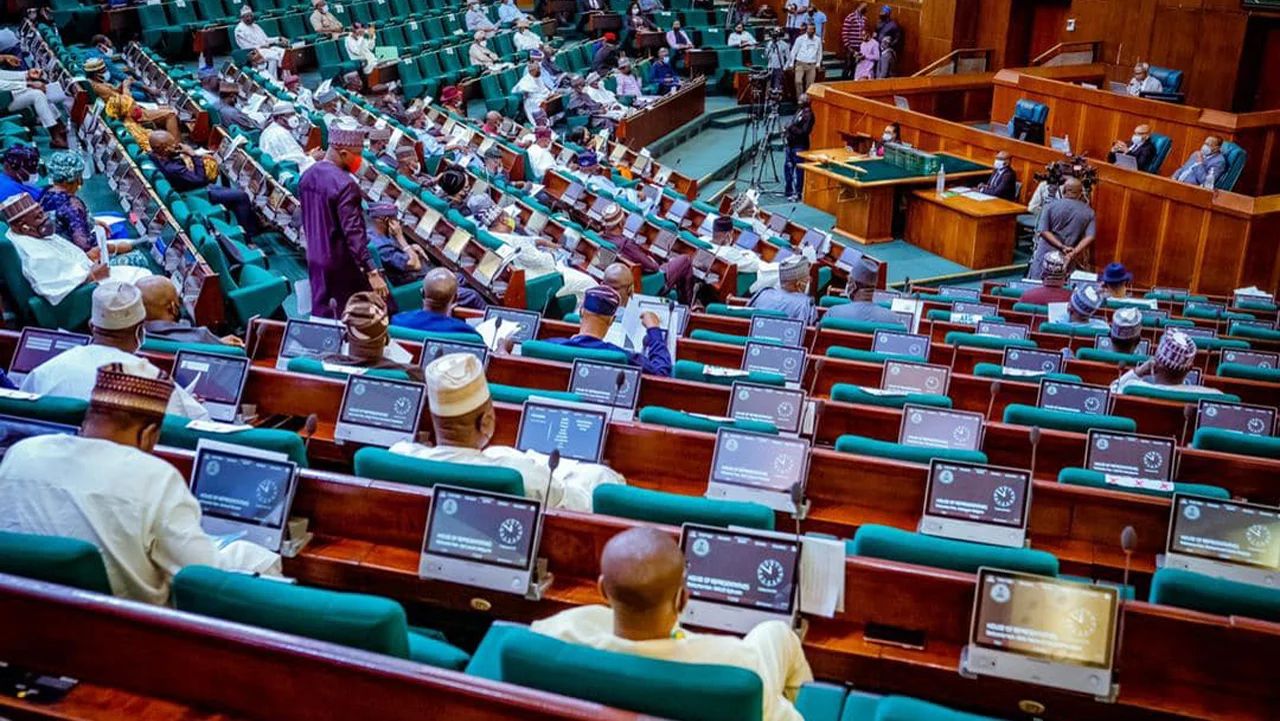
Committees of the United States Congress on Tuesday held a joint briefing in Washington, D.C., to examine the rising cases of kidnappings and alleged persecution of Christians in Nigeria.
The session followed an October 31 directive by President Donald Trump, instructing the House Appropriations Committee to investigate what he described as the “slaughter of Christians in Nigeria” and present findings to the White House.
In Nigeria, the House of Representatives is also scheduled to debate the nation’s worsening security situation today (Wednesday).
The U.S. briefing, led by House Appropriations Vice Chair and National Security Subcommittee Chairman Mario Díaz-Balart, brought together members of the Appropriations and Foreign Affairs Committees as well as leading religious-freedom experts.
Participants included Reps Robert Aderholt, Riley Moore, Brian Mast, Chris Smith, U.S. Commission on International Religious Freedom (USCIRF) Chair Vicky Hartzler, Alliance Defending Freedom International’s Sean Nelson, and Dr Ebenezer Obadare of the Council on Foreign Relations.
Díaz-Balart opened the session by describing global religious freedom as “both a moral obligation and an essential American interest,” stressing that “no one should have to fear for their safety because of how they choose to worship.” He added that his FY26 funding bill reflects this commitment and pledged to strengthen those efforts through a full-year funding measure aligned with the America First agenda.
Aderholt described the situation in Nigeria as “a crisis that can’t be ignored,” saying Congress must stand with persecuted Christian communities. Moore linked the briefing to the Trump administration’s re-designation of Nigeria as a Country of Particular Concern.
“Our brothers and sisters in Christ are being persecuted and slaughtered in Nigeria simply for professing their faith,” he said, insisting the world can no longer “turn a blind eye” to the crisis.
Foreign Affairs Committee Chairman Brian Mast characterised the violence as “a targeted campaign of religious cleansing,” arguing that extremist groups seek to drive Christians from ancestral lands in the Middle Belt. He urged the Nigerian government to disarm militias, restore displaced families, and prosecute perpetrators.
Africa Subcommittee Chairman Chris Smith described Nigeria as “the ground zero of religious violence,” accusing the government of allowing attackers to operate “with complete impunity.” He warned that urgent action is needed to save lives.
Expert witnesses detailed accounts of widespread insecurity affecting multiple faith groups.
Hartzler cited recent attacks, including the abduction of more than 300 children and 12 teachers from a Catholic school in November, saying religious freedom in Nigeria has been “under siege in 2025.” She urged stronger accountability from Nigerian authorities and effective use of U.S. security assistance and early-warning mechanisms.
Nelson described kidnappings, forced conversions, and deadly raids on Christian communities. He said some of the cases handled by his organisation involved Christians imprisoned under Sharia law on false charges, and villages attacked by Fulani militants, leaving behind “pastors beheaded, mass graves, widows and orphans.”
Obadare identified Boko Haram as the leading driver of violence, describing jihadist terrorism as the deadliest threat facing Nigeria. He commended recent military action but urged Washington to sustain pressure on Abuja. He recommended that the U.S. push Nigeria to neutralise Boko Haram and make Sharia law unconstitutional in the 12 northern states where it is practiced.
Committee officials confirmed that a detailed report will be submitted to President Trump, outlining recommendations for Congressional support to curb religious persecution in Nigeria and beyond.
The briefing comes amid renewed U.S.–Nigeria security cooperation. President Bola Tinubu recently approved Nigeria’s delegation to the new U.S.–Nigeria Joint Working Group, a security coordination platform formed after high-level talks in Washington led by National Security Adviser Nuhu Ribadu. The group aims to enhance intelligence sharing, counterterrorism operations, border security, and civilian-protection measures as concerns grow over terrorism, banditry, and targeted attacks on Christian communities.
On November 20, the U.S. House Subcommittee on Africa launched a public review of Nigeria’s CPC designation, which, if upheld by the U.S. Senate, could pave the way for sanctions against Nigerian officials linked to religious-freedom violations.
Back in Nigeria, the House of Representatives is set to begin debate today on the national security situation. Deputy Speaker Benjamin Kalu disclosed this during Tuesday’s plenary.







OPINION: Deputy Speaker Lami Danladi Ogenyi represents a handshake across Ado blessed with organic followers for APC

CSOs, Falana demand investigation into deaths of 37 NSCDC detainees in Niger

PenCom: FG pays N1.1bn additional benefits to 175 retirees

Suspected robbers raid TSU students’ residences in Jalingo

NSCDC releases names of 37 suspected illegal miners who died in custody

Politicians are turning Nigerian youths into political labourers – Sule Lamido

Shettima arrives New York for 81st UN General Assembly

Imo LG elections: APGA asks High Court to stop september 26 Poll

Man allegedly hacks mother to death with machete in Abia

NSCDC arrests 35 year-old over alleged cable theft in Jigawa

Minna miners’ deaths: Adeyanju rejects honorarium, vows to expose cover-up
