
news
FG should allocate $1 for every woman of reproductive age — Ladipo

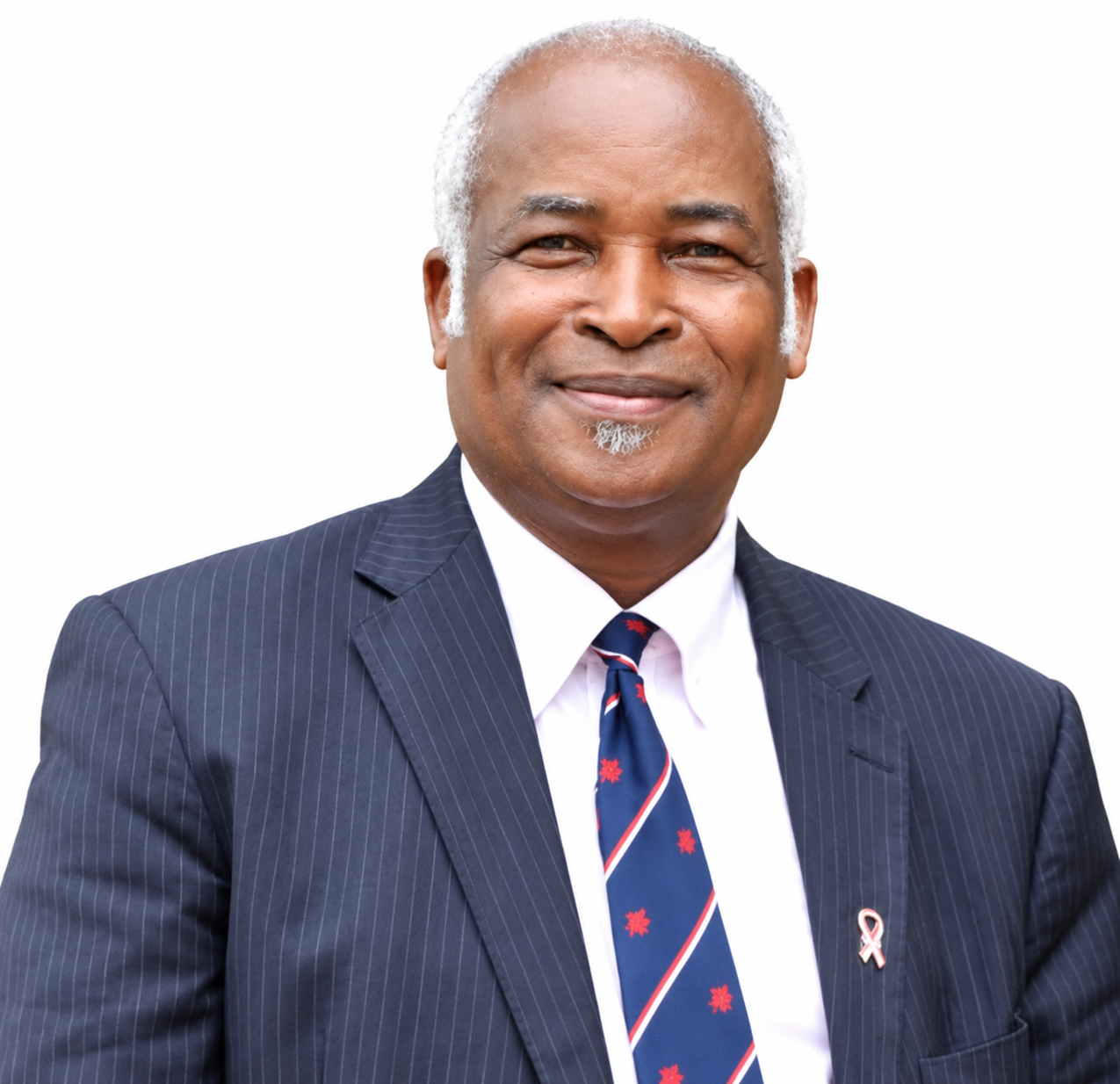
Professor Oladapo Ladipo, the Founder and President/Emeritus of the Association for Reproductive and Family Health, has urged the Federal Government to commit about $50 million annually to reproductive health commodities to improve access to family planning services across Nigeria.
He said the government could achieve this by allocating at least $1 for every woman of reproductive age in the country.
The renowned obstetrician and gynaecologist explained that Nigeria has an estimated 50 million women of reproductive age. However, he said the government currently commits only about $3m to $4m to reproductive health commodities.
He argued that increasing the allocation would help address inequality in access to family planning services, particularly among women living in rural communities.
Ladipo spoke in Lagos during the 5th Congress of the Association of West African Societies of Obstetrics and Gynaecology and the West African College of Obstetricians and Gynaecologists.
He also criticised Nigeria’s continued dependence on donor funding for contraceptive procurement and distribution.
According to him, declining donor support has made it necessary for the Federal Government to take greater responsibility for financing family planning services.
Ladipo said the country’s high maternal mortality rate made urgent action on reproductive healthcare necessary. He described Nigeria’s maternal mortality situation as unacceptable and called for stronger efforts to ensure women receive quality reproductive health services.
He said the government’s current funding for reproductive commodities was inadequate, noting that donors had historically provided a larger share of the resources.
Ladipo urged stakeholders to intensify advocacy for increased domestic funding so that contraceptives and other reproductive health commodities would be available across the country.
He added that improved access was particularly important for women in rural areas, where shortages can further widen reproductive health inequalities.
The professor also called for what he described as “qualitative reproduction”, urging families to have only the number of children they can adequately support.
He said responsible family planning would help families maintain a better quality of life, particularly amid the country’s economic difficulties.
Ladipo further urged the government to strengthen implementation of the national population policy through the National Population Council.
He said effective population planning had become increasingly important because of the economic challenges facing the country.
The reproductive health expert also raised concerns about Nigeria’s declining government allocation for family planning commodities.
He urged the government to increase its financial commitment as donor support becomes less reliable.
Ladipo also addressed newly inducted fellows of the West African College of Obstetricians and Gynaecologists, urging them to recognise the broader responsibilities involved in caring for women.
He said obstetricians and gynaecologists must be prepared to manage not only their patients but also their babies and families.
According to him, practitioners need a range of skills to deal with the medical, social and cultural factors that can affect maternal healthcare.
Ladipo stressed the importance of monitoring babies during pregnancy and ensuring they are delivered in good health.
Ladipo also urged healthcare professionals to provide proper care before, during and after childbirth to protect both mothers and their babies.
He further highlighted the importance of exclusive breastfeeding for the first six months of life, followed by adequate nutrition during childhood.
He warned that poor nutrition and stunted growth in the early years could affect a child’s cognitive development.
Ladipo therefore called for greater attention to maternal, newborn and child healthcare as part of efforts to improve health outcomes in Nigeria.









Alia’s govtech honour: A recognition that did not come as a surprise

Idoma Hall of Fame to honour military icons from Idoma land

Fidelity Bank, Foremost Radiology Champion Early Breast Cancer Detection

Idoma Hall of Fame to honour 14 distinguished Idoma women

Idoma Hall Of Fame will preserve history, inspire future leaders – AVM Morgan

‘I used to translate english for him’ — Ronaldo on his relationship with Messi

Gombe governorship: Pantami gives INEC 48-hour deadline to publish his name

David Onoja awards scholarships to eight Ogbadibo students, gets NOAS endorsement for Enone Reps seat

Akume is APC leader in North Central – Gov Alia declares

BREAKING: Benue 2027: Owukpa-born Ada Chenge moves to unseat Alia, emerges as PRP guber candidate

Benue 2027: Full list of 12 governorship candidates released by INEC
