
idoma news
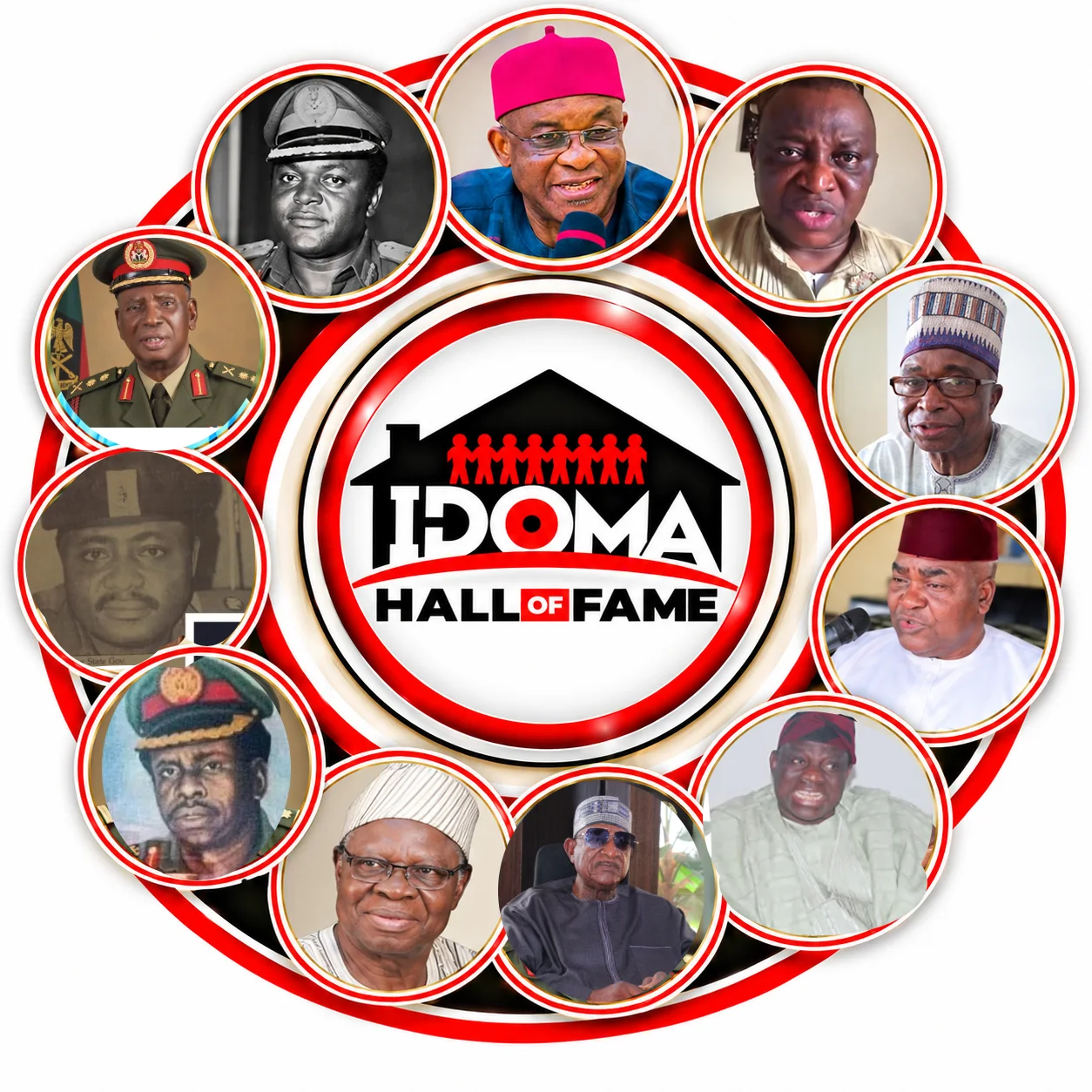
Idoma Hall of Fame to honour military icons from Idoma land

By Ameh Godwin
The Idoma Hall of Fame is set to recognise 11 distinguished military officers whose careers and historic achievements contributed to Nigeria’s military institutions, national administration and the advancement of Idoma representation in the country’s security and defence leadership.
The nominees include retired senior officers, former military governors and pioneers whose achievements opened pathways for subsequent generations of Idoma professionals in the Armed Forces.
Their recognition forms part of the Hall of Fame’s broader initiative to document outstanding contributions by sons and daughters of the Idoma nation.
1. Lt. Colonel Ernest Kizito Attah (Rtd.)
Lt. Colonel Ernest Kizito Attah is being recognised for his service as Military Governor of Cross River State from 1989 to 1992. His appointment placed him in a position of significant responsibility in Nigeria’s military-era state administration.
His inclusion in the Idoma Hall of Fame recognises his contribution to public administration and the history of Idoma military officers entrusted with leadership responsibilities at the national level.
2. Lt. Colonel Mike E. Attah (Rtd., Posthumous)
The late Lt. Colonel Mike E. Attah is being recognised for his senior military service and appointment as Military Governor of Anambra State. His emergence into executive leadership placed him among military officers entrusted with significant responsibilities in Nigeria’s state administration.
His posthumous recognition acknowledges his place in the history of Idoma military service and national governance. Through his military career and administrative appointment, he contributed to the record of Idoma officers who served in positions of public responsibility.
3. Major General Geoffrey Obiaje Ede Ejiga, OFR (Rtd.)
Major General Geoffrey Obiaje Ede Ejiga is recognised for his distinguished service in the Nigerian Army, particularly his senior command and staff responsibilities. One of the defining highlights of his career was his pioneering leadership of the Command and Staff College, Jaji.
His contribution to professional military education and command development forms a central part of his nomination.
Through his leadership and strategic military appointments, he contributed to the preparation of generations of senior Nigerian military officers, earning recognition for his role in strengthening military professional development.
4. Major General Sunday Orinya Ifere (Rtd., Posthumous)
The late Major General Sunday Orinya Ifere is being honoured for his service as Military Governor of Kwara State. His appointment reflected the confidence placed in him to exercise executive authority and oversee state administration during Nigeria’s military era.
His posthumous recognition celebrates his contribution to military leadership and public service. The Hall of Fame nomination highlights his disciplined leadership and administrative responsibilities as part of the wider history of Idoma officers who attained significant positions in Nigeria’s military and governmental institutions.
5. Major General Chris Abutu Garba, CFR (Rtd.)
Major General Chris Abutu Garba is recognised for his distinguished military command and executive administrative service, including his tenure as Military Governor of Bauchi State. His appointment placed him among senior military officers who took on responsibilities beyond the traditional command structure of the Nigerian Army.
His subsequent senior military responsibilities further form part of the basis for his recognition. The nomination acknowledges his professional competence, strategic leadership and service to the Nigerian Army, highlighting his contribution to the tradition of Idoma representation in senior military command and national administration.
6. Major General Lawrence Anebi Onoja, CFR (Rtd.)
Major General Lawrence Anebi Onoja is among the senior military officers being recognised for his extensive command and administrative career. He served as Military Governor of Plateau and Katsina states, taking on executive responsibilities in two states during Nigeria’s military era.
His career also included service as General Officer Commanding, 3rd Armoured Division. These appointments form a significant part of his military record, reflecting his experience in strategic command and executive administration. His recognition celebrates his contribution to Nigeria’s military institutions and the representation of Idoma officers at senior levels of national leadership.
7. Colonel John Paul Ubah (Posthumous)
The late Colonel John Paul Ubah is being recognised for his senior military service and appointment as Military Administrator of Kebbi State. His role placed him among military officers entrusted with executive responsibilities in Nigeria’s state administration.
His posthumous induction acknowledges his contribution to the tradition of Idoma military professionals who served in positions of national responsibility. The nomination dossier highlights his disciplined leadership, administrative competence and commitment to national service as defining elements of his career.
8. Brigadier General Emmanuel Ebije Ikwue (Rtd.)
Brigadier General Emmanuel Ebije Ikwue is recognised as one of the pioneering officers who helped establish the Nigerian Air Force. He made history in 1969 when he became the first officer officially designated Chief of Air Staff, marking a significant milestone in the development of Nigeria’s military aviation service.
His leadership during the formative years of the Nigerian Air Force established an enduring place for him in the history of the institution. His induction recognises his pioneering role in military aviation and the contribution he made to the emergence of Idoma officers in important national defence positions.
9. Air Vice Marshal Monday Riku Morgan (Rtd.)
Air Vice Marshal Monday Riku Morgan is being recognised for his historic appointment as Nigeria’s first Chief of Defence Intelligence from Idoma extraction. The position placed him in one of the country’s strategic national security leadership roles, involving defence intelligence and security coordination.
His achievement represents a milestone in the participation of Idoma professionals in national defence intelligence. Through his appointment and senior military service, Morgan established a significant precedent for Idoma representation in the country’s security institutions and is being recognised for his contribution to defence leadership.
10. Brigadier General Ignatius Obeya, MFR (Rtd., Posthumous)
The late Brigadier General Ignatius Obeya is recognised as the first commissioned military officer of Idoma extraction. His entry into the commissioned officer corps marked a historic breakthrough for the Idoma people in Nigeria’s Armed Forces.
His achievement established an important pathway for generations of Idoma military officers who subsequently attained senior command and national leadership positions. His posthumous induction celebrates his pioneering place in Idoma military history and his significance as an early trailblazer in professional military service.
11. Colonel Anthony Aboki Ochefu (Rtd., Posthumous)
The late Colonel Anthony Aboki Ochefu is being recognised for his place among the earliest Idoma military officers entrusted with executive administrative leadership in Nigeria. His emergence into such responsibilities represented an important milestone in the participation of Idoma military professionals in national governance.
His posthumous recognition acknowledges his contribution to the history of military service and public administration. The nomination highlights his disciplined leadership and the significance of his career in demonstrating the capacity of Idoma officers to assume major responsibilities within Nigeria’s military and governmental institutions.
The 11 nominees represent different dimensions of Nigeria’s military history, from the development of the Air Force and defence intelligence to senior Army command and military-era state administration. Their careers also reflect the historical role of military officers in Nigeria’s public administration.



Idoma Hall of Fame to honour military icons from Idoma land

Fidelity Bank, Foremost Radiology Champion Early Breast Cancer Detection

Idoma Hall of Fame to honour 14 distinguished Idoma women

Idoma Hall Of Fame will preserve history, inspire future leaders – AVM Morgan

‘I used to translate english for him’ — Ronaldo on his relationship with Messi

Gombe governorship: Pantami gives INEC 48-hour deadline to publish his name

David Onoja awards scholarships to eight Ogbadibo students, gets NOAS endorsement for Enone Reps seat

Akume is APC leader in North Central – Gov Alia declares

BREAKING: Benue 2027: Owukpa-born Ada Chenge moves to unseat Alia, emerges as PRP guber candidate

Benue 2027: Full list of 12 governorship candidates released by INEC

BREAKING: INEC releases final list of Benue governorship candidates, retains Alia, Ode
