
Benue news
More than 9,500 people, mostly Christians killed by Fulani militants in Benue, Plateau States – US govt

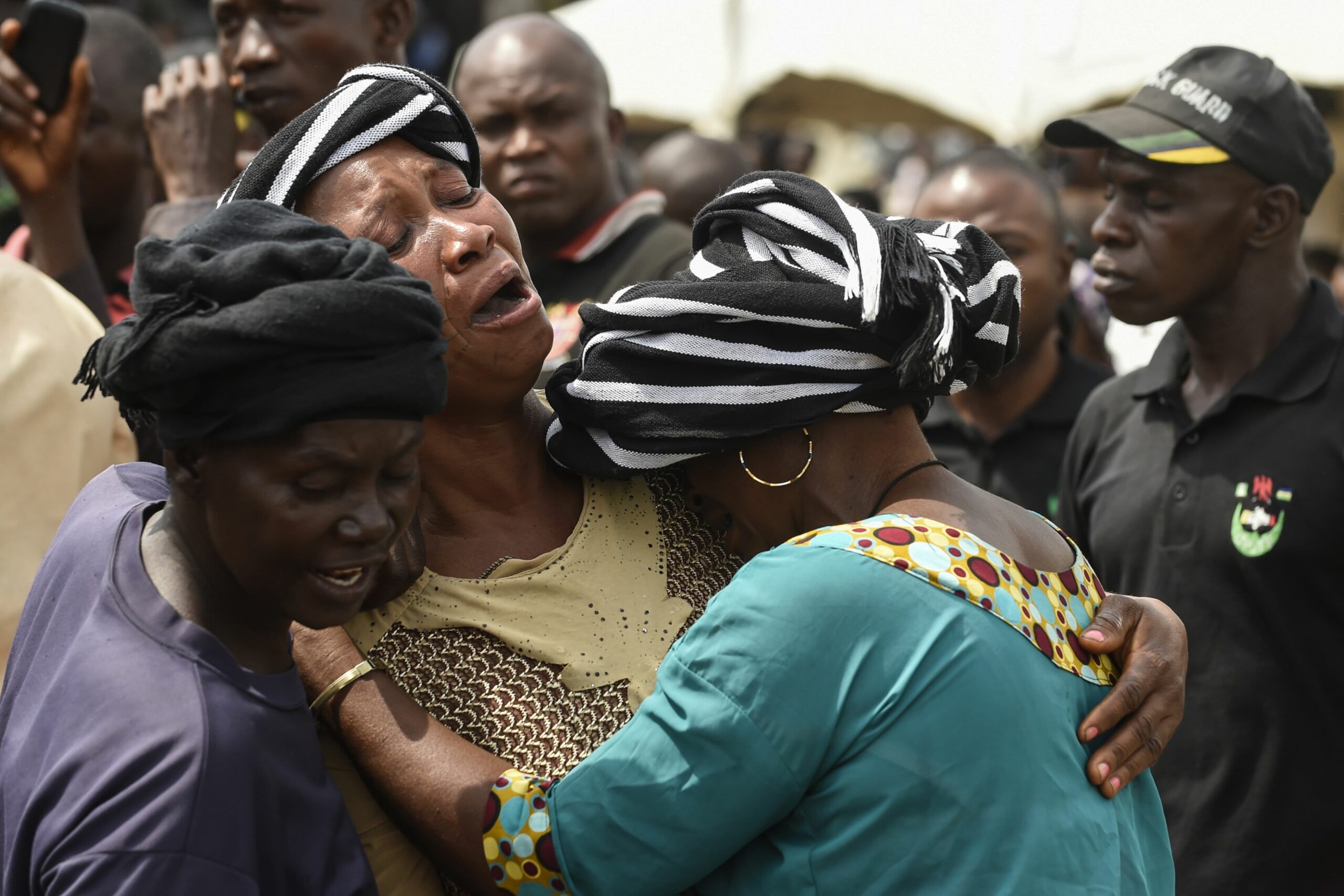
More than 9,500 people, mostly Christians, were killed by Fulani militants in Benue and Plateau States between May 2023 and May 2025, according to data cited in a new resolution being considered by the United States House of Representatives.
The resolution, submitted by Representative Riley M. Moore of West Virginia, condemns the ongoing persecution and killings of Christians across Nigeria and supports President Donald Trump’s recent decision to redesignate the country as a “Country of Particular Concern” (CPC) due to serious violations of religious freedom.
Sharing the six-page document on his X handle, Moore described the situation in Nigeria as one of the worst in the world for Christians since the Boko Haram insurgency began in 2009.
According to the resolution, “between 50,000 and 100,000 Christians have been martyred for their faith since 2009, with more than 7,000 killed in 2025 alone—an average of 35 every day.” It further states that “more than 19,000 churches have been attacked or destroyed.”
The document highlights that the attacks are not random or purely intercommunal but represent deliberate campaigns of religious cleansing. Boko Haram, ISWAP, and Fulani militants are named as responsible for massacres, church burnings, kidnappings, and sexual violence.
In Benue and Plateau States specifically, Fulani militants were responsible for the deaths of over 9,500 people between May 2023 and May 2025, most of whom were Christians. The resolution notes that Christians in Nigeria are being killed at a rate at least five times higher than Muslims.
The measure supports Trump’s October 31, 2025, move to redesignate Nigeria as a CPC, a status that allows the United States to impose sanctions and take diplomatic actions against the country over religious persecution.
The resolution also criticizes President Bola Ahmed Tinubu for denying the existence of religious persecution in Nigeria despite mounting evidence. It urges the US government to use all available diplomatic, economic, and security tools to pressure the Nigerian government to end impunity for perpetrators, protect Christian communities, and safeguard clergy from further attacks.







Woman remanded for allegedly cutting husband’s manhood in Niger

Govt that cannot protect lives does not deserve power — Kwankwaso

‘I saw a dead vulture on my bed after winning election’ — Okpebholo

Ballon d’Or 2026: Five players who could win the award

Ballon d’Or: Gerrard explains why Kane should beat Yamal, Mbappe

Edo: Okpebholo removes regent, restores traditional ruler 11 months later

2027: Obi, Kwankwaso to hold Middle belt Town hall meeting in Jos

2027 election: APC chieftain Okechukwu warns of possible run-off

Tinubu’s arrival: Kaduna steps up security ahead of APC campaign rally

Five Sheikhs abducted after Tinubu re-election prayer still in captivity 41 days later

Lagos-Calabar coastal highway not land grabbing, Umahi insists
