
Metro
Security alert as ISWAP plots drone attacks on military positions in Yobe, Borno


The Islamic State West Africa Province (ISWAP) is said to have made major advances in its drone programme and is reportedly in the final stages of preparing coordinated aerial strikes on Nigerian military positions in parts of Yobe and Borno states.
A classified security report obtained by Premium Times revealed that the extremist group plans to deploy Unmanned Aerial Vehicles (UAVs) against military bases and patrol units operating in strategic conflict areas within the two states.
Security sources disclosed that ISWAP leadership has completed operational planning for the attacks, which are expected to involve several drones deployed simultaneously against carefully selected military targets.
According to the intelligence, ISWAP fighters operating within the Timbuktu Triangle and Sambisa Forest corridors recently took delivery of a new batch of roughly 35 drones. The equipment was allegedly moved through the Lake Chad axis, a long-established supply route used by insurgent networks in the North-East.
Officials familiar with the assessment said the drones have already been test-flown and confirmed to be fully functional, sparking concern among military authorities about a possible intensification of ISWAP’s unconventional warfare strategy.
In recent years, ISWAP has increasingly incorporated drone technology into its operations, using it for both surveillance and attacks. This shift underscores a troubling transformation in the protracted insurgency that has plagued the region for over a decade.
Experts note that the group typically adapts off-the-shelf commercial drones to track troop movements, guide mortar strikes and, in limited instances, deliver improvised explosive devices onto military locations.
Military analysts observed that ISWAP’s expanding drone use reflects methods employed by extremist groups in other conflict zones, where inexpensive UAVs are modified to counter the superior firepower of regular armies.
Meanwhile, Nigeria’s armed forces have stepped up counter-insurgency efforts across Borno, Yobe and Adamawa states, neutralising several high-profile commanders and dismantling multiple insurgent enclaves.
Despite these gains, armed groups such as ISWAP and Boko Haram have continued to evolve, relying on tactics including roadside explosives, ambushes along supply corridors and increasingly, aerial reconnaissance.
Sources within the security establishment said the latest intelligence has intensified internal calls for the rapid deployment of advanced counter-drone systems to safeguard troops deployed in frontline areas.
As of the time of this report, neither the Nigerian Army nor Defence Headquarters has issued an official statement on the intelligence, though military authorities have previously acknowledged the rising threat posed by insurgents’ technological capabilities.
IDOMA VOICE recalls that the Boko Haram uprising, which started in 2009, has resulted in the deaths of tens of thousands of people and the displacement of millions across Nigeria’s North-East. ISWAP, which split from Boko Haram in 2016 and later aligned with the Islamic State, has since become one of the deadliest armed factions in the Lake Chad basin.











Benue youths need results, not press statements — Activist tells Gbenda Terver

2027: Abiodun urges church to mobilise Nigerians for peaceful elections

2027: Obidients demand explanation over INEC chairman’s absence

2027: Adebayo says petrol could rise to N5,000 per litre under Tinubu

Ondo APC leaders pledge one million votes for Tinubu in 2027

Olu Jacobs biography, birthday, age, wife, children, movies, awards

Hannah Uleko Odeh: The Lone Woman In Benue South 2027 Senate Race
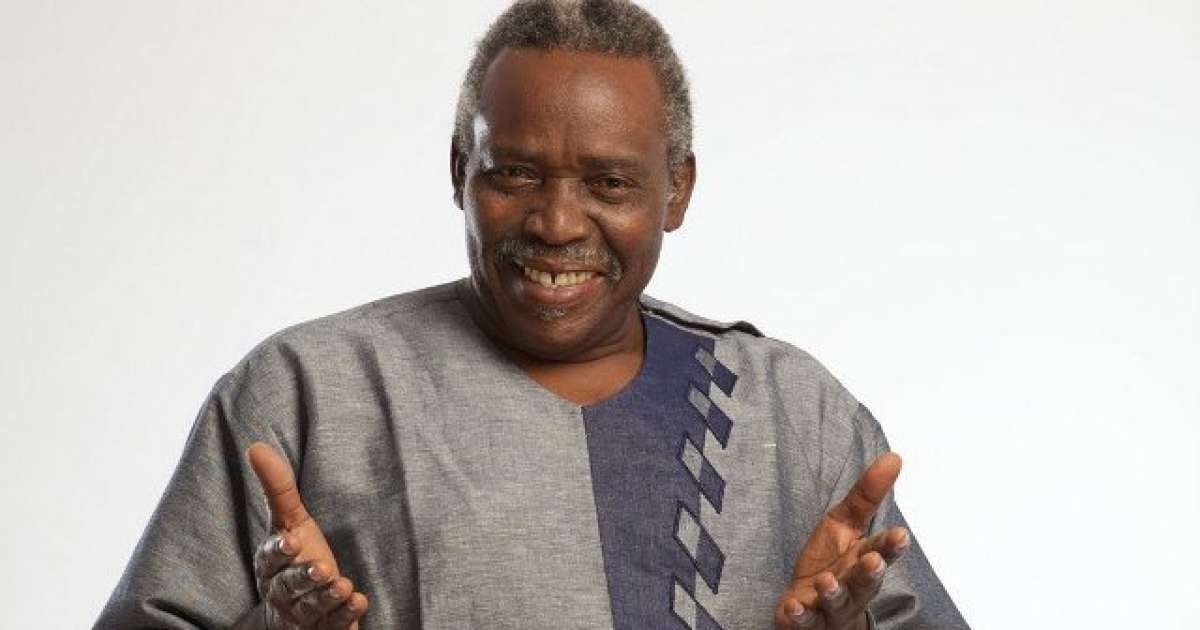
BREAKING: Veteran Nollywood actor Olu Jacobs is dead

Ayilamo: Gunmen ambush, kill two mobile police officers escorting DPO in Benue

Declare state of emergency on fake drugs, sack NAFDAC, SON chiefs – Adeyanju urges Tinubu

Nigerians can no longer bear hardship — ADC criticises Tinubu over petrol price increase
