
idoma news
100 years after, Idoma still searching for economic power — Echono

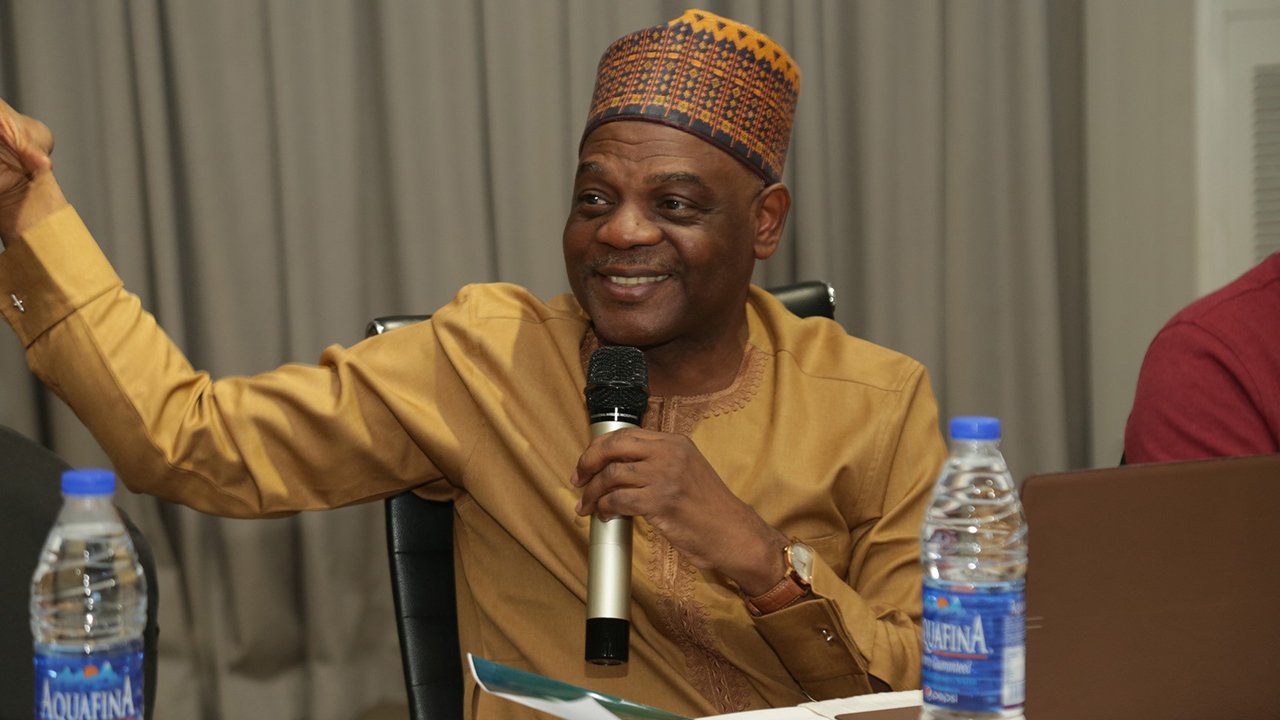
The Executive Secretary of TETFund, Arc. Sonny S.T. Echono, has said that despite producing some of Nigeria’s finest military officers, academics, judges, diplomats and public servants over the last century, the Idoma nation is still struggling to translate its vast human capital into collective economic power.
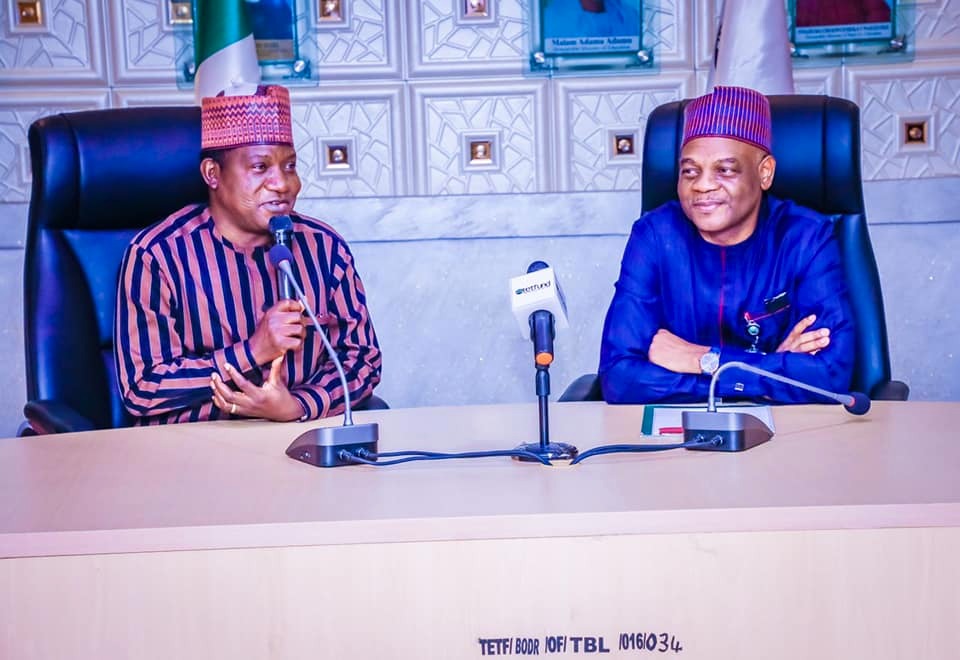
Echono stated this while delivering a keynote address titled “A People and Their Professional Choices: Engineering the Idoma Renaissance” at the Idoma Centenary Plus Celebration, held to commemorate 100 years of the creation of the old Idoma Division by the British colonial administration.
Speaking before the Och’Idoma, traditional rulers, political leaders, professionals and members of the Idoma community from across Nigeria and the diaspora, Echono said the centenary celebration should serve not only as a moment of reflection but also as an opportunity for honest self-assessment.
According to him, while the Idoma people have recorded remarkable achievements in education, public service, the military, medicine, law and academia, those successes have not translated into the level of economic prosperity, political influence and wealth creation expected of a people with such a rich history of excellence.
“We have been in this administrative entity for one hundred years. The question before this gathering is not how we got here. It is why, after one hundred years, ‘here’ is yet further away,” he said.
The TETFund boss noted that generations of Idoma professionals concentrated largely on government service and other prestige professions, leaving the community with limited participation in the sectors that drive wealth creation and economic influence.
He argued that while other groups invested heavily in commerce, banking, manufacturing and large-scale private enterprise during Nigeria’s post-independence years and oil boom era, many members of the Idoma elite remained largely within the public sector.
“We sought to manage wealth rather than create it,” he observed, describing it as one of the major factors responsible for the community’s economic challenges.
Echono praised pioneering Idoma traders, transporters and entrepreneurs of the colonial and post-colonial eras, including J. Ochogu, Chief D.E. Enenche, Chief Ewoyi Agada and several others, but lamented that many of the businesses they established failed to survive beyond the founding generation.
He identified the inability to institutionalise and transfer businesses from one generation to another as a major obstacle to the emergence of enduring Idoma-owned enterprises.
The former minister further warned that the continued concentration of young people in traditional professions and government jobs could limit the community’s future prospects.
According to him, many Idoma children still aspire primarily to become doctors, soldiers, civil servants and politicians, while sectors such as technology, fintech, agribusiness, renewable energy, manufacturing and digital innovation remain largely unexplored.
He described the absence of visible Idoma entrepreneurs, technology innovators and major business owners as one of the most significant structural challenges confronting the community today.
To reverse the trend, Echono proposed what he termed a “40-40-20 Career Architecture,” encouraging the next generation to devote greater attention to wealth-creating sectors while maintaining excellence in traditional professions and public leadership.
He also advocated the establishment of an Idoma Professional Renaissance Network, an annual mentorship programme for secondary school students, and a diaspora investment framework aimed at supporting startups, businesses and community development projects.
Addressing young Idoma professionals, he urged them to venture into emerging sectors where the community is underrepresented and to focus on building institutions capable of outliving their founders.
“The first one hundred years were about surviving Nigeria. The next one hundred years must be about Idoma leading,” he declared, calling on the community to transform individual achievements into collective economic strength.
Echono maintained that the future prosperity of the Idoma nation would depend not only on producing outstanding professionals but also on building sustainable businesses, creating jobs, mentoring younger generations and developing institutions capable of driving long-term economic growth.




Benue people will remember Gov Alia for 100 years — APC Chieftain, Okpokwu Ogenyi

OPINION: Deputy Speaker Lami Danladi Ogenyi represents a handshake across Ado blessed with organic followers for APC

CSOs, Falana demand investigation into deaths of 37 NSCDC detainees in Niger

PenCom: FG pays N1.1bn additional benefits to 175 retirees

Suspected robbers raid TSU students’ residences in Jalingo

NSCDC releases names of 37 suspected illegal miners who died in custody

Politicians are turning Nigerian youths into political labourers – Sule Lamido

Shettima arrives New York for 81st UN General Assembly

Imo LG elections: APGA asks High Court to stop september 26 Poll

Man allegedly hacks mother to death with machete in Abia

NSCDC arrests 35 year-old over alleged cable theft in Jigawa
