
Politics
‘Every business exit Is vote of no confidence in Tinubu’ — ADC

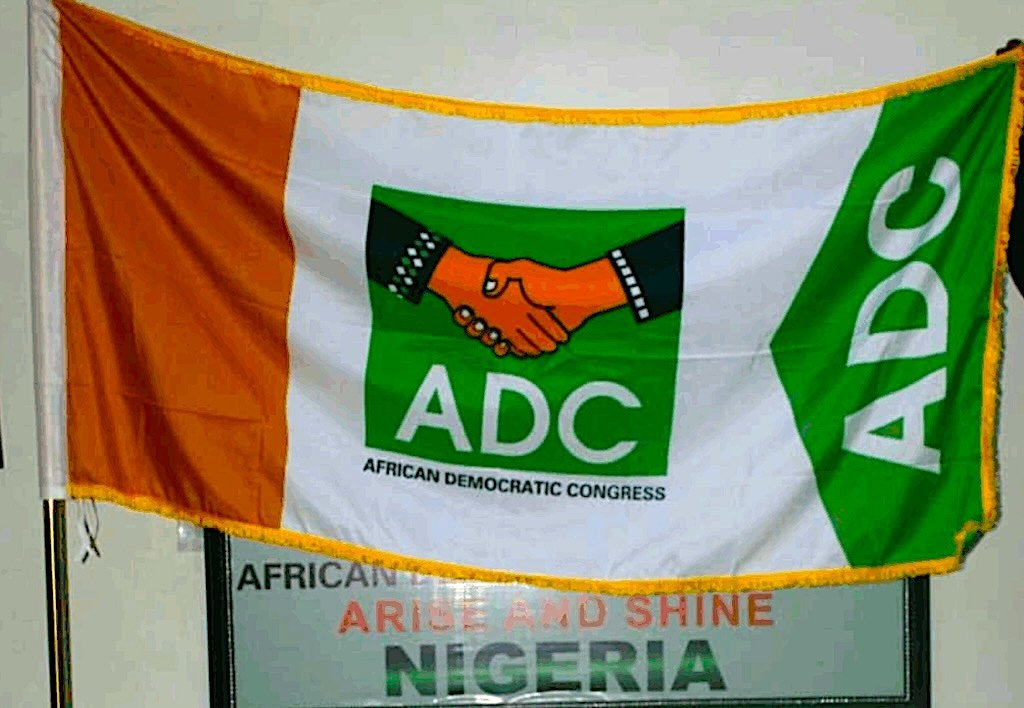
The African Democratic Congress (ADC) has questioned the economic gains being reported by the Federal Government, arguing that Nigeria’s business environment remains increasingly difficult for companies and ordinary citizens.
The opposition party made the assessment while reacting to the reported exit of global ride-hailing company Uber from Nigeria, alongside the closure or reduction of operations by several multinational businesses.
In a statement issued on Thursday, ADC National Publicity Secretary, Bolaji Abdullahi, said the developments raised questions about the difference between the government’s claims of economic recovery and the experiences of businesses and Nigerians.
The party also challenged the significance of a reported 0.2 percentage-point improvement in GDP growth, arguing that the increase had yet to translate into meaningful improvements in the welfare of citizens.
“Certainly, a 0.2% growth does not justify the extreme hardship that Nigerians are suffering,” the ADC said.
According to the party, Nigeria’s poverty rate has climbed to 63 per cent, representing about 140 million people, while declining purchasing power and increasing operating expenses continue to put pressure on workers and businesses.
The ADC urged the Tinubu administration to demonstrate how the reported economic expansion had affected the daily lives of Nigerians.
“When the President and his party say things are getting better, we expect them to tell us what has improved in the lives of Nigerians,” the statement said.
The opposition party linked Uber’s reported departure after 12 years in Nigeria to the challenging operating environment, citing rising energy and transportation costs among the factors affecting businesses.
It also blamed the removal of the fuel subsidy and the devaluation of the naira for the steep rise in fuel prices, which it claimed had increased by as much as 1,700 per cent.
The ADC further referenced a report by the Manufacturers Association of Nigeria, claiming that 767 manufacturing companies, including 20 major international brands, had shut down or stopped operations, while hundreds more were facing financial distress.
Companies listed by the party as having closed or reduced their Nigerian operations included Microsoft, Jumia, Bolt Food, Pick n Pay, Shoprite, GlaxoSmithKline, Sanofi-Aventis, Bayer AG, Procter & Gamble, Unilever and PZ Cussons.
It specifically pointed to GlaxoSmithKline, saying the pharmaceutical company ended its manufacturing operations in Nigeria after 50 years in the country.
“Every business that shuts down or pulls out is a vote of no confidence in the Tinubu administration and its capacity to manage the economy,” the ADC said.
The party warned that continued business closures could deepen unemployment and poverty while further weakening the purchasing power of households.
It maintained that GDP growth figures should not be treated as the sole measure of economic performance, insisting that government policies should also be assessed based on their effects on household earnings, food prices, transportation costs and employment.















Idoma-born businessman Lawrence Oloche launches ProTaxi to transform urban transportation October 1

‘I would rather get married early’ — Singer Joeboy

‘Every business exit Is vote of no confidence in Tinubu’ — ADC

Troops rescue six kidnap victims after gun battle in Kebbi

Chelsea set transfer sales record after £519m summer revenue

Apochi Owoicho launches free AI bootcamp for Apa, Agatu youths

Edwin Ogbegbagha confirmed as new Taraba Commissioner of Police

KASTLEA denies death of three girls in Kaduna road accident

20-year-old man stabbed to death after argument with teenager in Cross River

EPL transfers: Liverpool, Chelsea, Man City lead summer spending as deadline day arrives

EPL matchweek 2: Man Utd bounce back as Arsenal, Chelsea maintain perfect starts
