
Top Headline
“We drank only water, then beatings began” — Otukpo kidnap survivor speaks

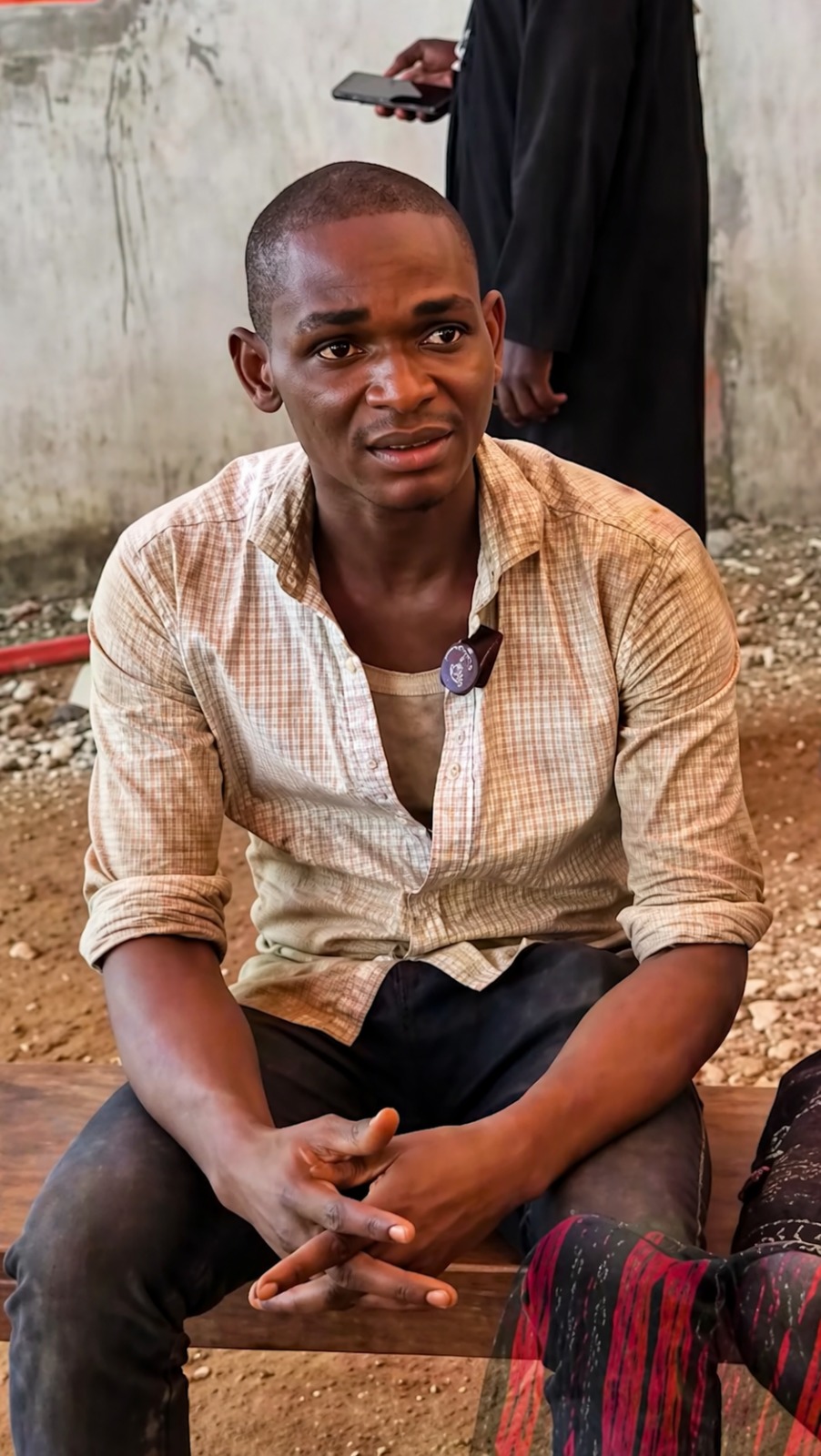
A fresh medical graduate, Orih Sylvester, who is awaiting induction, has recounted the terrifying experience of his abduction along the Makurdi–Otukpo road, describing three days of movement through the bush, starvation, and repeated assaults by his captors.
Sylvester, who had just completed medical school and was preparing for induction into the profession, said the journey that began like any other quickly turned into a nightmare after armed men intercepted their vehicle on April 15.
According to him, the attackers emerged suddenly from the bush and forced the vehicle to a stop before ordering all passengers to lie on the ground.
“They came out of the bush and stood by the road. The driver had no choice but to stop,” he recalled. “After that, they forced everyone out and made us lie down before taking us into the bush.”
The victim said the abductees were marched deep into forested areas, moving continuously from one location to another for several days.
“We kept walking from one farm area to another and into places that were not even cultivated. It was constant movement,” he said.
Sylvester further disclosed that for the first two days, the victims were given no food and survived only on water.
“The only thing we had access to was water,” he said.
He added that on the third day, they were given their first meal — garri — before being subjected to forced phone calls to their families, which were often accompanied by violence.
“Every call came with strokes of the cane. If you don’t speak the way they want, they beat you,” he said, adding that he sustained injuries to his face and eye during the ordeal.
According to him, the attackers operated in shifts, with different armed men rotating in and out of the camp, a pattern he described as suggesting some form of organised coordination.
“They had a system. Some would come in, others would go out and return with food and supplies,” he said.
Sylvester described the experience as traumatic, noting that the pain extended beyond physical injuries to psychological distress.
“It was not a pleasant experience at all,” he said quietly.
The April 15 abduction along the Makurdi–Otukpo highway sparked widespread concern across Benue State, with security agencies later launching operations to track down the perpetrators and rescue victims.
For Sylvester, however, the experience remains a haunting interruption of what should have been a milestone moment in his life — the beginning of his medical career.
“I was just waiting for induction,” he said. “But everything changed in one day.”



Why many countries deny Nigerians visas – Peter Obi

Idoma-born businessman Lawrence Oloche launches ProTaxi to transform urban transportation October 1

‘I would rather get married early’ — Singer Joeboy

‘Every business exit Is vote of no confidence in Tinubu’ — ADC

Troops rescue six kidnap victims after gun battle in Kebbi

Chelsea set transfer sales record after £519m summer revenue

Apochi Owoicho launches free AI bootcamp for Apa, Agatu youths

Edwin Ogbegbagha confirmed as new Taraba Commissioner of Police

KASTLEA denies death of three girls in Kaduna road accident

20-year-old man stabbed to death after argument with teenager in Cross River

EPL transfers: Liverpool, Chelsea, Man City lead summer spending as deadline day arrives
