
Sport
Global football season ends with drama, titles, and shocks across continents

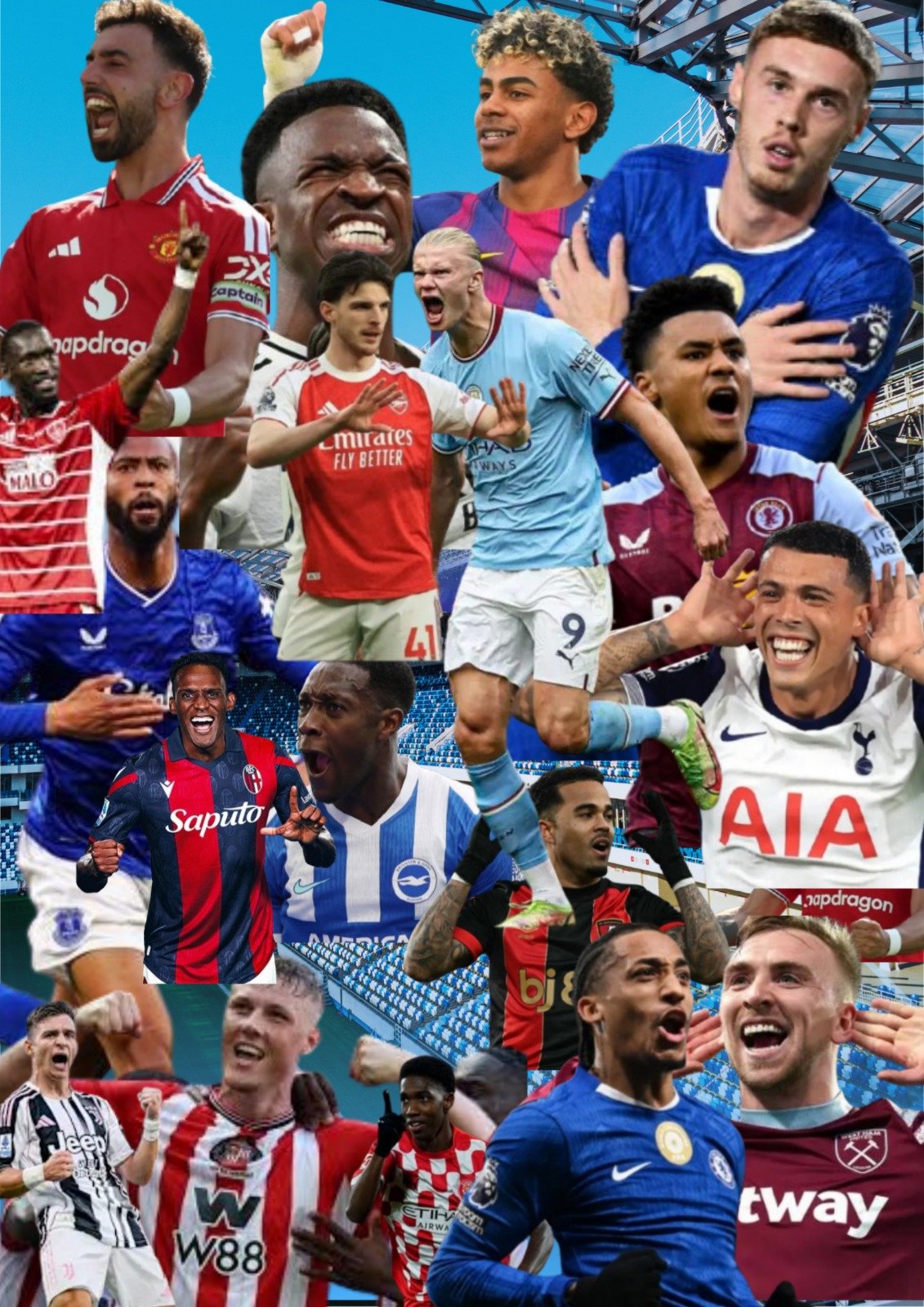
The global football season has officially come to a close, marking the end of months of intense competition across Europe, Africa, and other major football regions.
The campaign delivered a mix of title triumphs, shocking defeats, relegation heartbreaks, and the continued evolution of modern football shaped by money, technology, and tactical innovation.
In England, Arsenal emerged as Premier League champions after a fiercely contested title race that stretched into the final phase of the season. Under Mikel Arteta, the Gunners demonstrated consistency, tactical discipline, and mental resilience to overcome strong challenges from Manchester City, Liverpool, Manchester United, Chelsea, and other top clubs in the league. The victory ends a 22-year league drought, restoring Arsenal to the summit of English football for the first time since their famous 2003/2004 “Invincibles” era.
Chelsea, meanwhile, endured another inconsistent campaign marked by fluctuating form, as they struggled to maintain a steady push for Champions League qualification, despite showing flashes of improvement in key matches and continuing their squad rebuild under ongoing tactical adjustments.
The season also produced dramatic final-day outcomes, with West Ham suffering relegation despite a late push, while Tottenham narrowly avoided the drop in a tense survival battle. Manchester United secured a top-three finish, while Liverpool and Aston Villa booked Champions League places. Brighton and Bournemouth also impressed with strong campaigns that earned them European qualification.
Across Europe’s major leagues in Spain, Italy, Germany, and France, the season concluded with familiar dominance from elite clubs such as Real Madrid and Barcelona in Spain, Bayern Munich in Germany, Paris Saint-Germain in France, and Inter Milan and Juventus in Italy, but also a noticeable rise in competition from mid-table and emerging sides. While these traditional powerhouses continued to lift trophies or dominate title races, clubs like Girona, Bayer Leverkusen, Bologna, and Brest pushed them harder than in previous seasons, reflecting a gradual shift toward greater competitive balance in European football.
In Africa, the season once again highlighted the continent’s role as a major exporter of football talent. Young players from Nigeria, Ghana, Ivory Coast, and other nations continued to secure moves to top European clubs, reinforcing Africa’s importance in global football development. However, this ongoing talent migration has continued to weaken domestic leagues, as early departures reduce league quality and fan engagement at home. Financial constraints, infrastructure challenges, and inconsistent league management remain major obstacles for many African competitions.
The season was also heavily defined by the continued influence of technology, particularly VAR and advanced performance analytics. While VAR improved the accuracy of key decisions in many matches, it remained controversial among fans and analysts due to delays and inconsistent interpretations. At the same time, clubs increasingly relied on data-driven scouting and tactical systems, reshaping recruitment, training, and in-game strategies across world football.
Beyond the pitch, the financial power of the modern game continued to grow, widening the gap between elite clubs and smaller teams. Transfer fees and wages reached new levels, placing enormous pressure on clubs to perform. The season therefore reflects a sport in transition, where tradition meets commercialization, and passion competes with financial and technological influence.
While trophies and titles still define success, the deeper story of the season lies in football’s ongoing transformation into a faster, richer, and more demanding global industry. As clubs now turn their attention to transfers and preparations for the next campaign, the sport continues to evolve in ways that will shape its future for years to come.














Benue killings: Gov Alia asked to resign

Ortom reveals why he lent Peter Obi his vehicle for Benue visit

2027presidency: Idoma’s Peter Agada, Ada Okwori make INEC final list to face Tinubu, Atiku, Obi, others

Police reveal how bandits killed four officers, seven civilians in Benue

Idoma Hall of Fame will inspire younger generation to excel – Pastor Paul Enenche

2027:2027: IDOMA’S AMAZONS TAKE ON THE MEN

Attack on Peter Obi’s convoy: Dan Onjeh exonerates Benue youths

Four mobile policemen, eight residents killed in fresh Benue attack

Police rescue three children, arrest suspected child-stealing gang in Ogun

Idoma Hall of Fame maiden induction holds October 15 in Abuja

Benue South 2027: ‘Produce documents proving you’re NDC candidate’ — Onjeh dares Dave Ogbole
