
Sport
World Cup 2026: how players, coaches, teamwork are deciding the title race

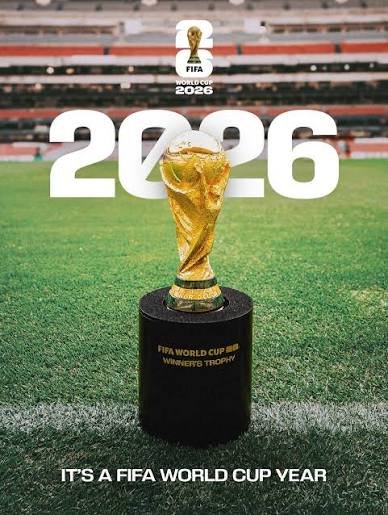
As the FIFA World Cup 2026 reaches its decisive stages, the tournament has become more than a battle between nations. It has evolved into a showcase of exceptional individual talent, tactical brilliance, and the determination of teams aiming to etch their names into football history.
Several players have emerged as the driving force behind their countries’ campaigns, delivering decisive performances when it mattered most. From clinical finishing in front of goal to commanding displays in midfield and defence, the competition has produced footballers capable of changing the outcome of matches in an instant. Their consistency under pressure has elevated the quality of the tournament and inspired millions of supporters around the world.
Traditional football giants such as France, Spain, England, Argentina and Belgium have once again demonstrated why they remain among the world’s elite. Their blend of experienced internationals and emerging talents has enabled them to overcome difficult opponents while maintaining their ambitions of lifting football’s biggest prize.
However, one of the defining stories of the tournament has been the remarkable rise of Morocco and Norway. Morocco has continued to build on its growing reputation in international football with disciplined defending, tactical organisation and fearless performances against top opposition. Norway, meanwhile, has combined physical strength with attacking efficiency, earning praise for eliminating one of the tournament’s favourites and proving it belongs among the world’s best.
Behind every successful team has been a coach capable of making crucial tactical decisions. Throughout the tournament, managers have demonstrated their ability to adapt formations, make game-changing substitutions and prepare their squads for the intense demands of knockout football. Their influence has often been the difference between victory and elimination, underlining the importance of leadership from the touchline.
The expanded 48-team format has also contributed to a more competitive tournament, allowing emerging football nations to challenge established powers. Fans have witnessed thrilling encounters, dramatic late goals and penalty shootouts that have reinforced the unpredictable nature of the FIFA World Cup.
With only a handful of matches remaining, the spotlight now falls on the players and coaches who can handle the pressure of football’s grandest stage. Every pass, tackle, save and goal could define careers and shape the legacy of the 2026 FIFA World Cup.
As the race for the trophy intensifies, one thing is certain: this World Cup will be remembered not only for the teams that advanced, but also for the individuals whose talent, leadership and determination turned ordinary matches into unforgettable moments.This report is written as a feature article rather than a match report, making it suitable as a Special Report on a news website. It also avoids making unsupported claims about specific players or coaches while still focusing on their influence during the tournament.












2027: Idoma group endorses Alia for second term, cites projects in Benue South

Benue Deputy Speaker Backs Idoma governorship, says Zone Should Produce Alia’s Successor in 2031

Idoma Hall of Fame to honour more Idoma icons every two years — Advisory Board Chairman, Okwoche

Miss Nigeria 1963, Alice Adepe Inducted into Idoma Hall of Fame

Idoma contributions to Nigeria must be celebrated – Wike declares at Idoma Hall of Fame

Grace Ogwuche, first female minister from Idoma land inducted into Hall of Fame

Alia’s govtech honour: A recognition that did not come as a surprise

Idoma Hall of Fame to honour military icons from Idoma land

Fidelity Bank, Foremost Radiology Champion Early Breast Cancer Detection

Idoma Hall of Fame to honour 14 distinguished Idoma women

Idoma Hall Of Fame will preserve history, inspire future leaders – AVM Morgan
