
idoma news
Benue Deputy Speaker Backs Idoma governorship, says Zone Should Produce Alia’s Successor in 2031

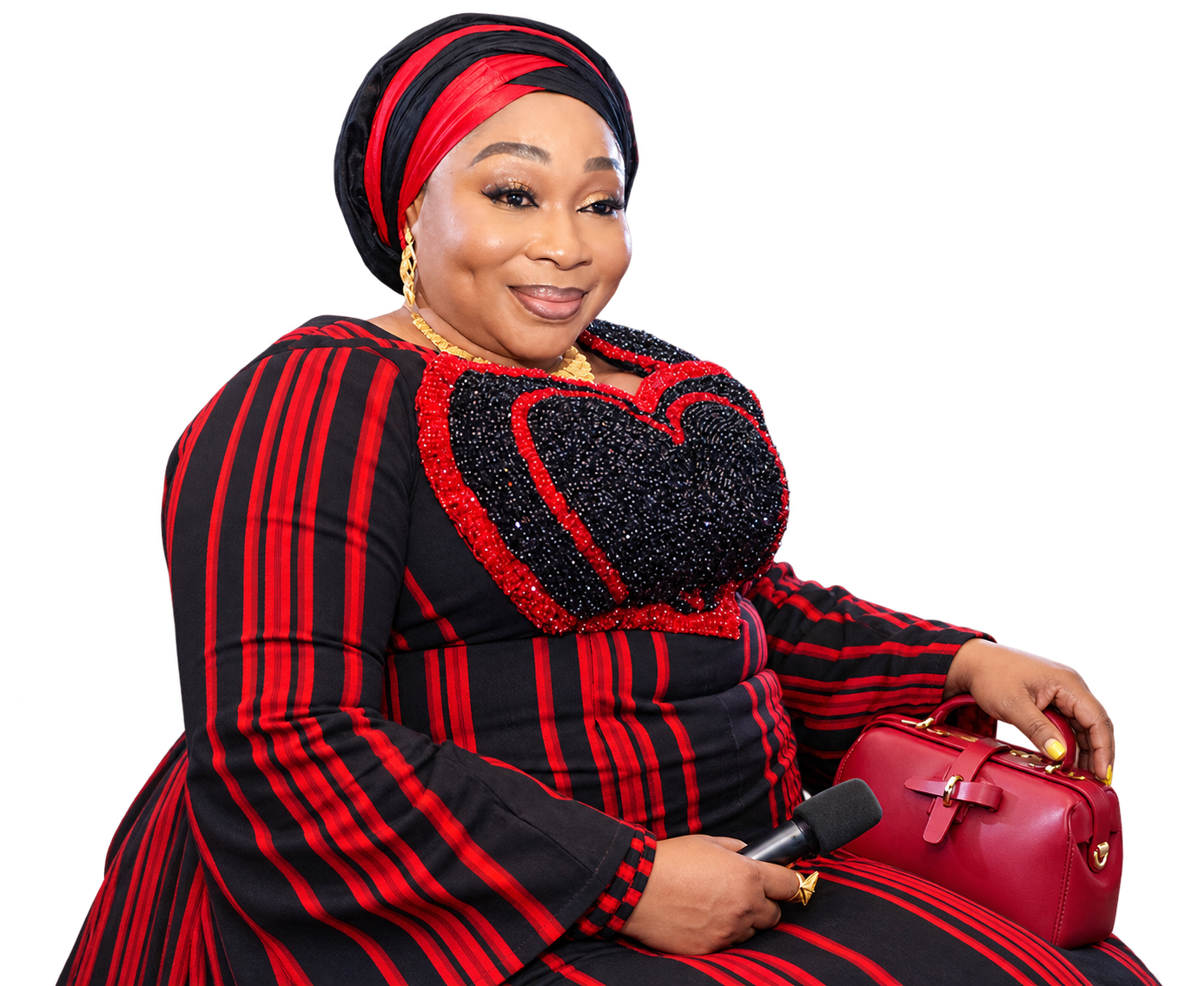
The Deputy Speaker of the Benue State House of Assembly, Hon. Lami Danladi Ogenyi, has thrown her weight behind the agitation for Benue South Senatorial District, popularly known as Zone C, to produce the next governor of the state after the completion of Governor Hyacinth Alia’s eight-year tenure.
Ogenyi said it was only fair for power to shift to the Idoma-speaking part of the state in 2031 if Alia completes two terms in office, arguing that political leadership should provide opportunities for other sections of the state to occupy the governorship seat.
The lawmaker stated this in an interview with Idoma TV on the sidelines of the maiden induction ceremony of the Idoma Hall of Fame in Abuja, where she spoke on the need for fairness and inclusion in the distribution of political power in Benue State.
“By the grace of God, if Rev. Alia finishes his eight years, he would hand over power to Benue South [Idoma],” Ogenyi said.
She added that political leaders who had served their people should be willing to support others from their communities or regions to take their turn in leadership.
“I believe once your brother serves the people, he should allow his fellow brother to also occupy the seat. That will make the state to progress,” she said.
Idoma Renew Demand for Governorship
Ogenyi’s position comes amid renewed calls by political leaders, stakeholders and groups in Benue South for the district to produce the next governor of the state.
The agitation is rooted in the argument that Benue South, one of the state’s three senatorial districts, has yet to produce an elected governor since the creation of Benue State in 1976.
Supporters of the demand have maintained that a power shift to the district would promote equity, strengthen the sense of belonging among the state’s diverse communities and broaden political inclusion.
The question of which senatorial district should produce the governor has remained a recurring issue in Benue politics, particularly during election cycles.
In June 2026, the founder of the Idoma Hall of Fame, Engr. Agaba Ikwue, argued that the Idoma people possessed the human resources and capacity required to govern the state, urging them to recognise and harness their collective strength.
The development reflects a continuing effort by Idoma stakeholders to build support for the district’s governorship aspiration ahead of the next succession process.
2031 Succession Debate Gathers Momentum
Although the 2027 governorship election is approaching, debate over who should succeed Alia in 2031 has also begun to attract attention among political actors in the state.
Former Benue State Governor Gabriel Suswam stirred controversy in August 2026 when he argued that the Kwande Intermediate Area of Benue North-East Senatorial District should produce Alia’s successor in 2031.
His position contrasts with the demand by Idoma stakeholders that the governorship should move to Benue South, highlighting the competing expectations surrounding power rotation in the state.
Ogenyi’s remarks add another voice from within the state’s political establishment to the debate, particularly as she occupies the position of Deputy Speaker of the House of Assembly.
Her comments suggest that the question of succession is increasingly being framed around fairness, inclusion and the opportunity for different sections of the state to participate in executive leadership.
However, her statement does not, by itself, establish an agreement among political parties or leaders that Benue South will produce the governor in 2031.
Call for Fairness and Political Inclusion
For proponents of the Idoma governorship aspiration, the demand goes beyond the desire to occupy the Government House in Makurdi. They argue that allowing Benue South to produce a governor would address what they regard as a longstanding imbalance in the distribution of political power.
Ogenyi’s appeal for one leader to give way to another after completing a tenure reflects this argument for shared political opportunity.
Her position also places renewed focus on how political parties and stakeholders will approach zoning, consensus-building and candidate selection ahead of future governorship elections.
Ultimately, whether Benue South will produce Alia’s successor in 2031 will depend on political negotiations, party decisions and the outcome of the electoral process.
For now, the Deputy Speaker’s declaration provides fresh support for the Idoma governorship agitation and adds to the growing debate over equity and political succession in Benue State.



2027: Idoma group endorses Alia for second term, cites projects in Benue South

Benue Deputy Speaker Backs Idoma governorship, says Zone Should Produce Alia’s Successor in 2031

Idoma Hall of Fame to honour more Idoma icons every two years — Advisory Board Chairman, Okwoche

Miss Nigeria 1963, Alice Adepe Inducted into Idoma Hall of Fame

Idoma contributions to Nigeria must be celebrated – Wike declares at Idoma Hall of Fame

Grace Ogwuche, first female minister from Idoma land inducted into Hall of Fame

Alia’s govtech honour: A recognition that did not come as a surprise

Idoma Hall of Fame to honour military icons from Idoma land

Fidelity Bank, Foremost Radiology Champion Early Breast Cancer Detection

Idoma Hall of Fame to honour 14 distinguished Idoma women

Idoma Hall Of Fame will preserve history, inspire future leaders – AVM Morgan
