idoma news
Idoma 2027 dream faces test as Peter Adejoh, Andrew Aba battle for ADC ticket


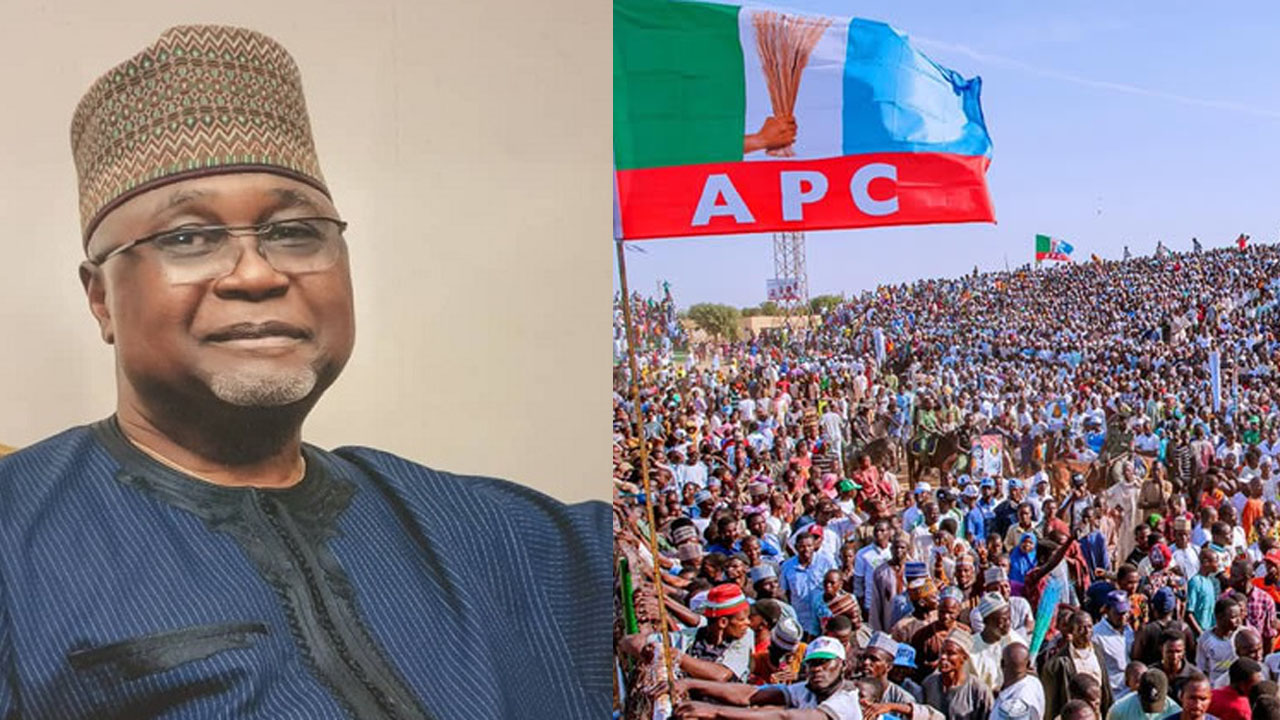
As agitation for a Benue governor of Idoma extraction in 2027 gathers pace, a fresh political contest is unfolding within the African Democratic Congress, where two prominent Idoma sons, Dr Peter Adejoh and Andrew Aba, are locked in a high stakes race for the party’s governorship ticket.
What many expected to be a period of consolidation for the Idoma political bloc is increasingly evolving into a contest of influence, structure and strategy.
Both men have emerged as leading contenders in the early permutations within the party, setting the stage for what could become a defining internal battle ahead of the next electoral cycle.
Across Benue South, also known as Zone C, the demand for power shift has intensified in recent years. The push is anchored on arguments of equity, inclusion and long standing marginalisation.
Within this context, 2027 is widely viewed as a critical window for the Idoma people to produce the next governor of the state. However, the emergence of multiple strong aspirants within the same platform is now testing that aspiration.
IDOMA VOICE had in previous reports profiled both aspirants, highlighting their political journeys, strengths and areas of concern. Those earlier assessments are now gaining renewed relevance as the contest gathers momentum.
Peter Adejoh is widely regarded by many stakeholders as a steady political organiser with deep grassroots connections across several parts of Benue South.
A successful businessman with interests spanning real estate, hospitality and other sectors, he is known for his ability to build alliances quietly and maintain strong loyalty within party structures.
Supporters highlight his consistency, accessibility and long-standing engagement with community leaders as key strengths, particularly in a race that will rely heavily on delegate influence.
He is also seen as someone with a relatively broad acceptability among party elders, many of whom believe he can serve as a rallying point for a united Idoma front. This perception has partly fueled the ongoing pressure on other aspirants to align behind him.
Recently, the wife of former Senate President, Helen Onma Mark, described him as “a candidate to beat,” a remark that has further reinforced his growing profile within the political space.
However, critics argue that Adejoh’s political style, while stable, may lack the aggressive statewide appeal required in a general election.
Questions have also been raised in some quarters about the scale of his influence beyond Zone C and whether his structure can effectively compete against more established political machinery from other zones in Benue.
On the other hand, Andrew Aba is viewed as a vibrant and assertive contender with growing popularity, particularly among younger political actors and segments of the grassroots.
Before now, Andrew Aba had little visibility within Benue’s political circles. Many observers describe him as a relatively new entrant whose influence within the bloc is still developing.
Critics argue that his limited political structure and reach could pose challenges in a broader contest, raising questions about how much weight he can command even if he secures the party’s ticket.
Yet, his rising profile has also come with its own challenges. Some party leaders consider him less predictable within the delicate balance of internal party politics. There are concerns among certain stakeholders about his willingness to submit to consensus arrangements, especially at a time when unity is being prioritised as a political necessity.
It is within this context that pressure has continued to mount on Andrew Aba to step down and support Peter Adejoh. For many elders and influential figures within the Idoma political space, the argument is simple. A divided front could weaken the chances of Zone C in the broader contest for power in Benue State.
Several stakeholders who spoke to Idoma Voice emphasised that the push for a single candidate is not about exclusion but about strategy. According to them, other zones are already consolidating their positions, and any fragmentation within the Idoma bloc could be politically costly.
At the same time, there is a counterargument gaining traction within parts of the party. Some members insist that the credibility of the process must not be sacrificed in the name of unity.
They argue that allowing a transparent and competitive primary will produce a stronger and more legitimate candidate, even if it comes at the cost of short term internal tension.
This divide between consensus and open contest reflects a familiar pattern in Nigerian politics, but in this instance, it carries heightened significance. The outcome of the ADC primary will not only determine the party’s flag bearer, it may also shape broader political alignments ahead of 2027.
Both Adejoh and Aba have so far maintained a measured public posture, continuing consultations and outreach across the state. Their supporters remain active, while behind the scenes, negotiations and alignments continue.
Political observers believe the coming months will be decisive. The ability of the Idoma political class to manage ambition, negotiate interests and present a cohesive front may ultimately determine whether the long standing quest for the governorship can translate into reality.
For many in Benue South, the moment is seen as historic. The question now is whether unity will prevail over rivalry, or whether internal divisions will once again alter the course of a long awaited political opportunity.













David Onoja awards scholarships to eight Ogbadibo students, gets NOAS endorsement for Enone Reps seat

Akume is APC leader in North Central – Gov Alia declares

BREAKING: Benue 2027: Owukpa-born Ada Chenge moves to unseat Alia, emerges as PRP guber candidate

Benue 2027: Full list of 12 governorship candidates released by INEC

BREAKING: INEC releases final list of Benue governorship candidates, retains Alia, Ode

You won’t even make bench — Mourinho warns Real Madrid players

BREAKING: Many injured as vehicles conveying Benue APC supporters involved in terrible accident in Lafia

Police arrest suspect over counterfeit naira production in Abia

Benue 2027: Dave Ogbole appointed Deputy DG of Shija/Edoh Campaign Council

2027: Benue NDC updates list of governorship campaign team [FULL LIST]

Big Smart dedicates AFRIMMA award to late father, Benue