Nigeria News
Chibok Girls’ abduction remains an indelible scar on my presidency – Jonathan

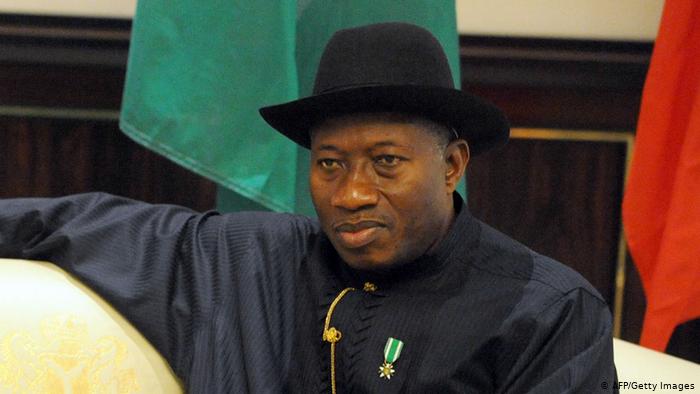
Former President Goodluck Jonathan has described the 2014 abduction of schoolgirls in Chibok, Borno State, as an enduring scar on his administration that will remain with him for life.
Jonathan made the remark on Friday during the public presentation of SCARS: Nigeria’s Journey and the Boko Haram Conundrum, a memoir authored by former Chief of Defence Staff, General Lucky Irabor (rtd).
Commending Irabor for his service to the nation, Jonathan said the retired military chief was “a soldier who stood for truth and never politicised matters of national security.”
Reflecting on the painful episode, the former president admitted that the kidnapping of 276 schoolgirls by Boko Haram fighters in April 2014 would forever mark his time in office.
“One of the greatest scars of my government is the Chibok girls’ abduction. As Bishop Kukah once noted, no plastic or cosmetic surgeon can erase it. It is a scar I will carry to the grave,” Jonathan said.
The Chibok incident triggered global outrage and birthed the #BringBackOurGirls campaign. While a number of the girls have since escaped or been released, more than 80 remain missing.
Tracing the roots of the Boko Haram insurgency, Jonathan recalled that the group emerged in 2009 during his tenure as Vice President under the late President Umaru Musa Yar’Adua, but escalated significantly under his own presidency.
“I fought Boko Haram for five years as President. I even thought President Buhari would defeat them quickly, but they are still very much around,” he said, stressing that the crisis is “far more complex than many Nigerians realise.”
Jonathan also raised concerns over the group’s access to sophisticated weaponry, which, he argued, suggests external sponsorship.
“Sometimes Boko Haram had more ammunition than our soldiers. That cannot be the handiwork of poor villagers. External hands are clearly at play,” he stated.
The former President urged Nigeria to adopt a fresh approach to tackling the insurgency, suggesting that a mix of “carrot and stick” policies may be necessary to address the root causes and restore lasting peace.










David Onoja awards scholarships to eight Ogbadibo students, gets NOAS endorsement for Enone Reps seat

Akume is APC leader in North Central – Gov Alia declares

BREAKING: Benue 2027: Owukpa-born Ada Chenge moves to unseat Alia, emerges as PRP guber candidate

Benue 2027: Full list of 12 governorship candidates released by INEC

BREAKING: INEC releases final list of Benue governorship candidates, retains Alia, Ode

You won’t even make bench — Mourinho warns Real Madrid players

BREAKING: Many injured as vehicles conveying Benue APC supporters involved in terrible accident in Lafia

Police arrest suspect over counterfeit naira production in Abia

Benue 2027: Dave Ogbole appointed Deputy DG of Shija/Edoh Campaign Council

2027: Benue NDC updates list of governorship campaign team [FULL LIST]

Big Smart dedicates AFRIMMA award to late father, Benue