
Politics
2027: Nigerians won’t vote if APC victory is guaranteed – Onaiyekan

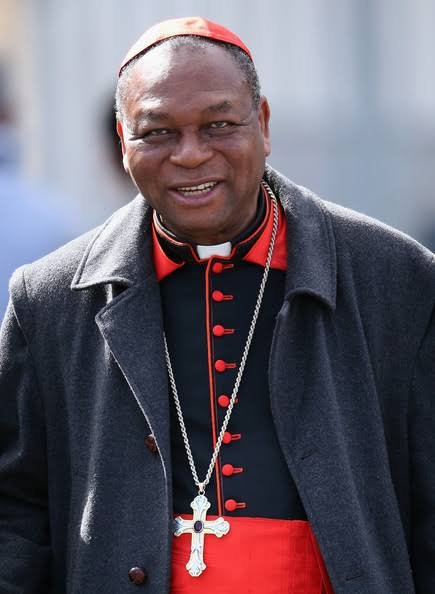
The Archbishop Emeritus of the Catholic Archdiocese of Abuja, John Cardinal Onaiyekan, has warned that many Nigerians may boycott the 2027 general elections if they believe the outcome has already been decided in favour of the ruling All Progressives Congress (APC).
Speaking on Monday during a programme on Eagle 102.5 FM, Ilese-Ijebu, the cleric said public perception of the electoral process is just as important as the votes cast.
According to Onaiyekan, the belief that the ruling party is guaranteed victory could discourage voter participation and undermine the legitimacy of any government that emerges from the polls.
“My fear is that if it becomes very clear to Nigerians that no matter what happens, the APC will win, then most people won’t even bother to go to the election,” he said.
“And even if the government, the real power wins, it will not bring a real victory actually. And it is not going to be possible to deliver good government.”
The cardinal stressed that democracy can only thrive when elections are free, fair and credible, adding that flawed elections often result in poor governance.
“Genuine democracy is built on free and fair elections. Any democracy that cannot do free, fair, and credible election cannot come up with good governance. Elections have consequences. Bad elections lead to bad governance and bad governance leads to misery among the people,” he said.
Onaiyekan lamented that Nigeria has yet to conduct a truly free and fair election and linked the country’s low voter turnout to growing public distrust in the electoral process.
He urged the government to restore confidence in the system ahead of the 2027 elections.
“It is in our interest and the government who has all the powers, to please make sure that the trust of the people in the electoral process is restored, so that we can get at least 50% of Nigerians voting,” he added.
The cleric also said the neutrality of the Independent National Electoral Commission (INEC) alone is not enough to guarantee credible elections, arguing that the conduct of security agencies during elections also affects public confidence.
He accused some security personnel of intimidating voters during elections and called for reforms to improve the country’s electoral process.
Onaiyekan also advocated changes to the process of appointing INEC’s leadership, arguing that allowing the government in power to appoint the commission raises concerns about its independence.
“We know that the government in power appoints the INEC. We have to figure a way out of that because if the government in power appoints the INEC, then it’s difficult to have a fair game, unless you have a very strong chairman of INEC who decides to stand up against all pressures,” he said.













Nigerian researcher Peter Akor makes history with double win At UK’s Vitae 3MT Final

Insecurity: I refused to pay ransom after bandits abducted my brothers – Zamfara gov

2027: Don’t treat Tinubu’s re-election as a done deal, lawyer warns

BREAKING: FG confirms 32 onboard crashed military aircraft in Ondo

FCT Minister Nyesom Wike to deliver keynote at maiden edition of Idoma Hall of Fame induction
Ban DNA tests, they’re destroying marriages — Nigerian woman

Peter Obi destroyed APGA, reject him in 2027 — Anambra govt

Seven passengers injured as gunmen attack traders in Plateau

Police arrest two suspected kidnappers after N10.3m ransom payment in Rivers

Brain surgery affected my sexual function — Julius Agwu

14-year-old boy drowns as river sweeps away two children in Yobe
